Engagement
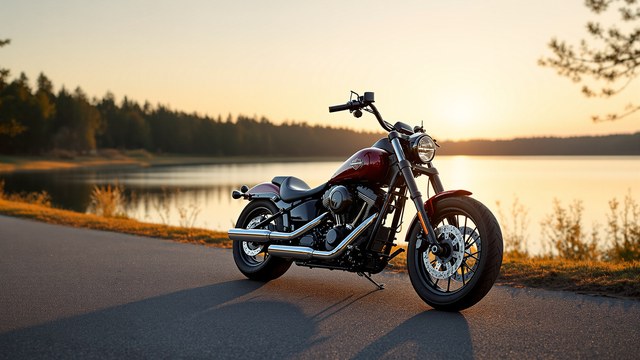
This or that: a Falls Lake sunset loop or a full Blue Ridge Parkway day. Pick one and tell us why. #RideNationNC #BlueRidgeParkway #RaleighRiders
Giveaway & Countdown
The BikersWin $20,000 motorcycle giveaway is live, Triangle. Every rider who talks to us about a crash gets entered, free. Call Hardison & Cochran at (919) 444-4444 to ask how. #RideNationNC #BikersWin #20kGiveaway
Local NC & Rides
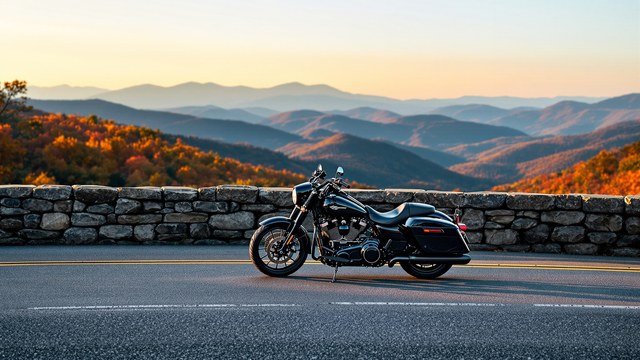
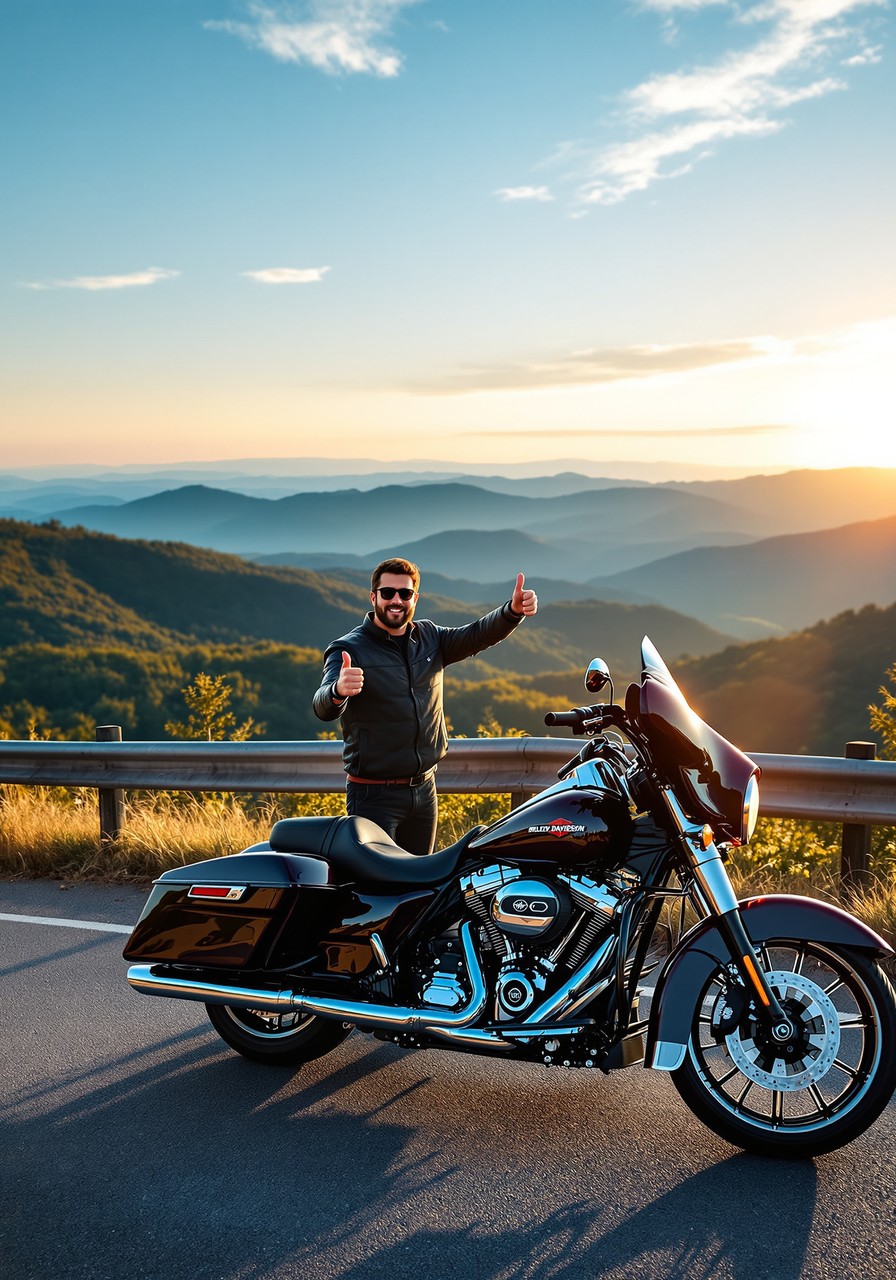
The Blue Ridge Parkway is the payoff ride, but it stays cold and foggy up high longer than you think. Watch the forecast and put it on the spring calendar, not the January wish list. #RideNationNC #BlueRidgeParkway #NorthCarolinaRiders
Gear & New Iron
North Carolina helmet reality: it is the law here for every rider and every passenger, no exceptions. Make sure that DOT sticker is on there and not just a novelty lid. #RideNationNC #GearUp #ATGATT
Safety & NC Law
North Carolina riders, know this: we are a pure contributory negligence state. Even 1 percent of fault can cost you everything, so document the scene and get help early. Call Hardison and Cochran at (919) 444-4444. #RideNationNC #RiderRights #NorthCarolinaRiders
Engagement
Tag your ride-or-die. The one who texts you the second the sun comes out. #RideNationNC #RideOrDie #TheTriangle
Giveaway & Countdown
Wondering how to get in on the $20K? A free case review counts as your entry. Ring Ben and the team at (919) 444-4444. #RideNationNC #MotorcycleGiveaway #RaleighRiders
Local NC & Rides
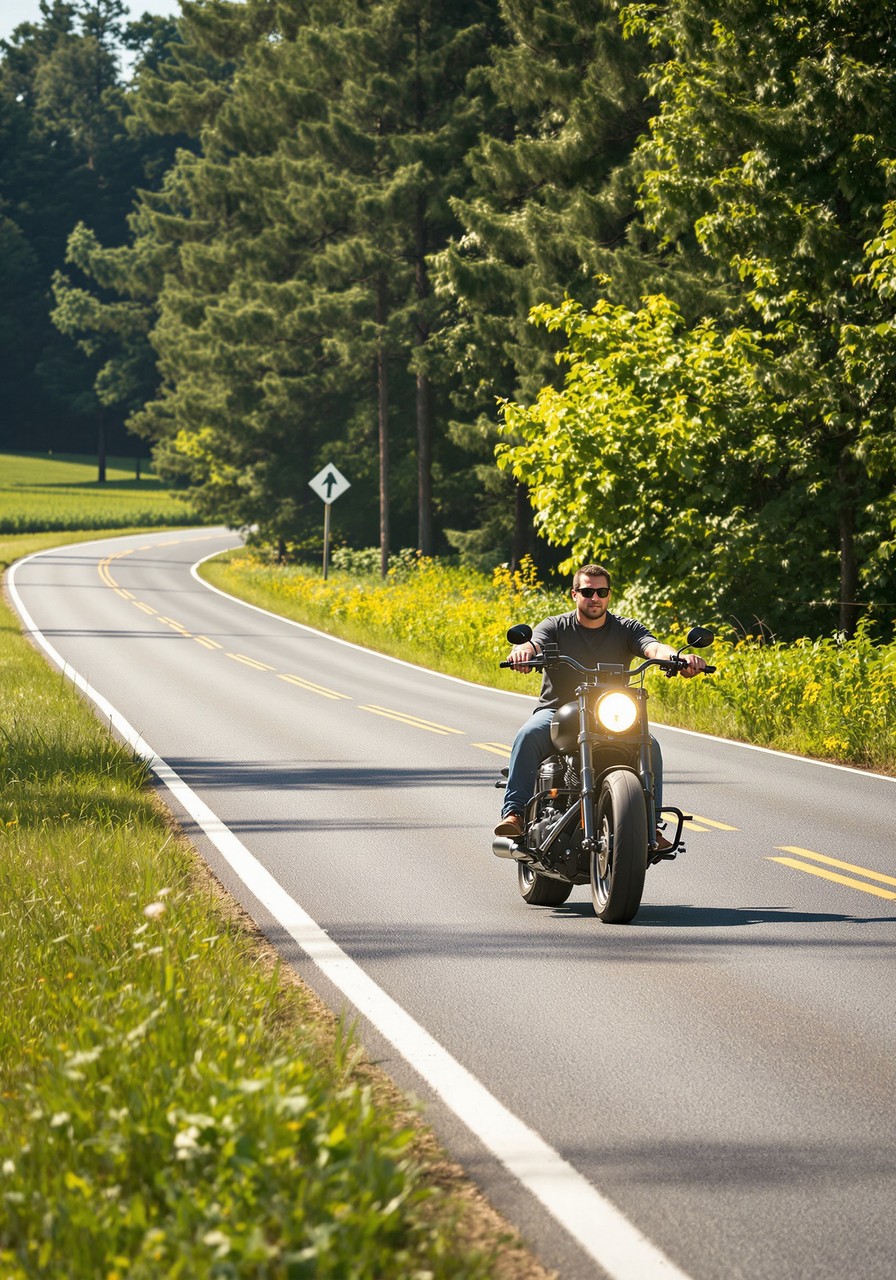
A loop around Falls Lake on a clear morning is one of the easiest good rides near Raleigh. Just remember the shaded stretches hold frost late in the day this time of year. #RideNationNC #RaleighRiders #TheTriangle
Gear & New Iron
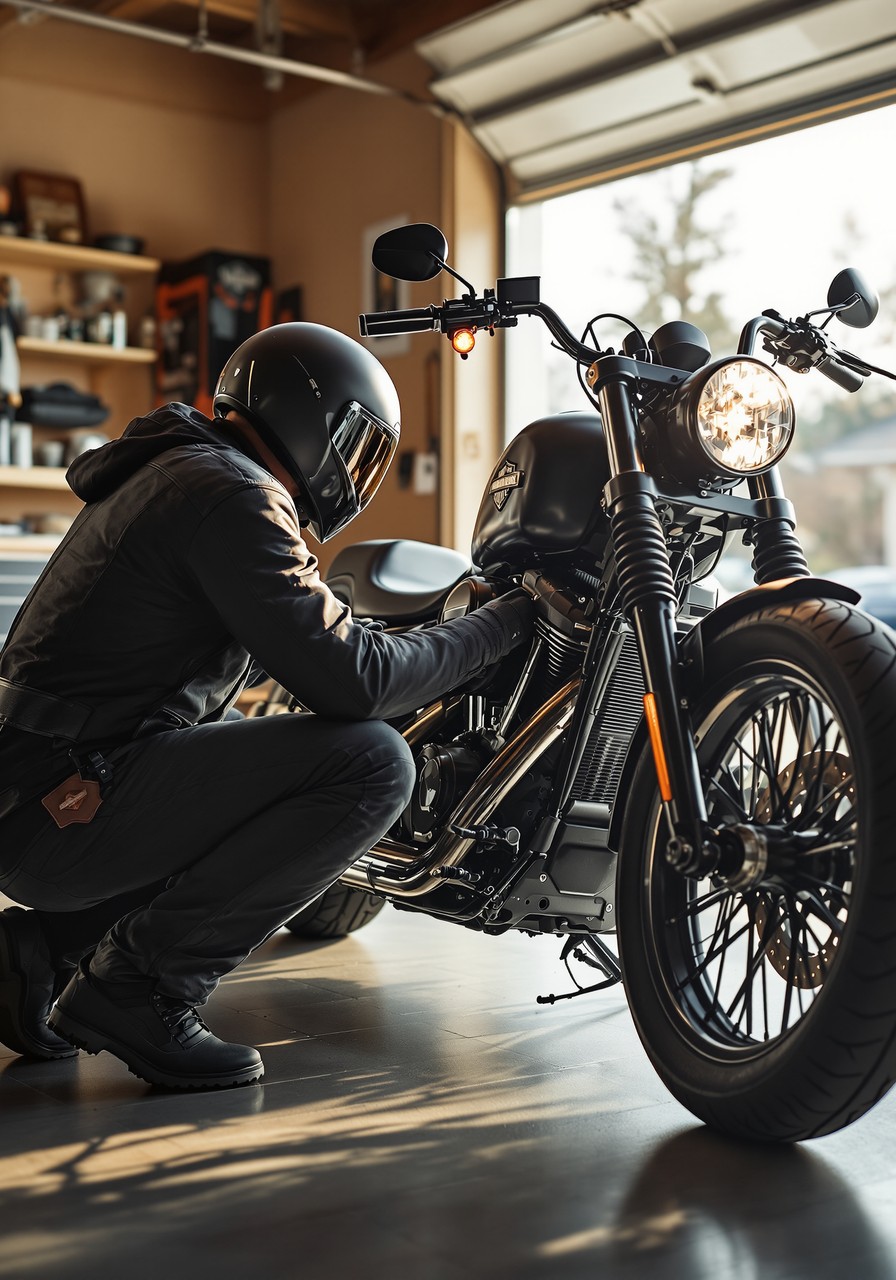
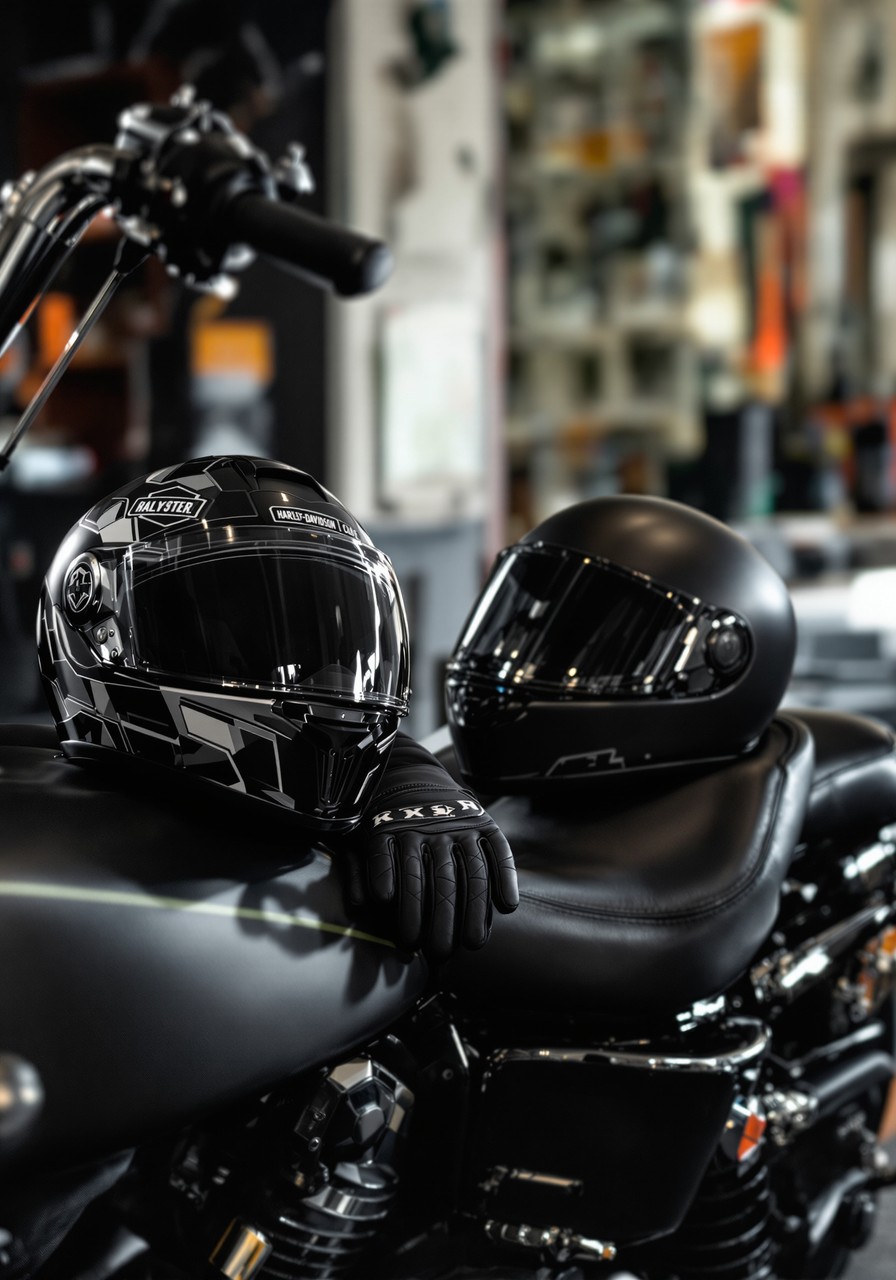
Dropped your helmet in the garage? Even a short fall can crush the foam you cannot see. When in doubt, replace it. Your skull does not get a second draft. #RideNationNC #GearUp #RiderTips
Safety & NC Law
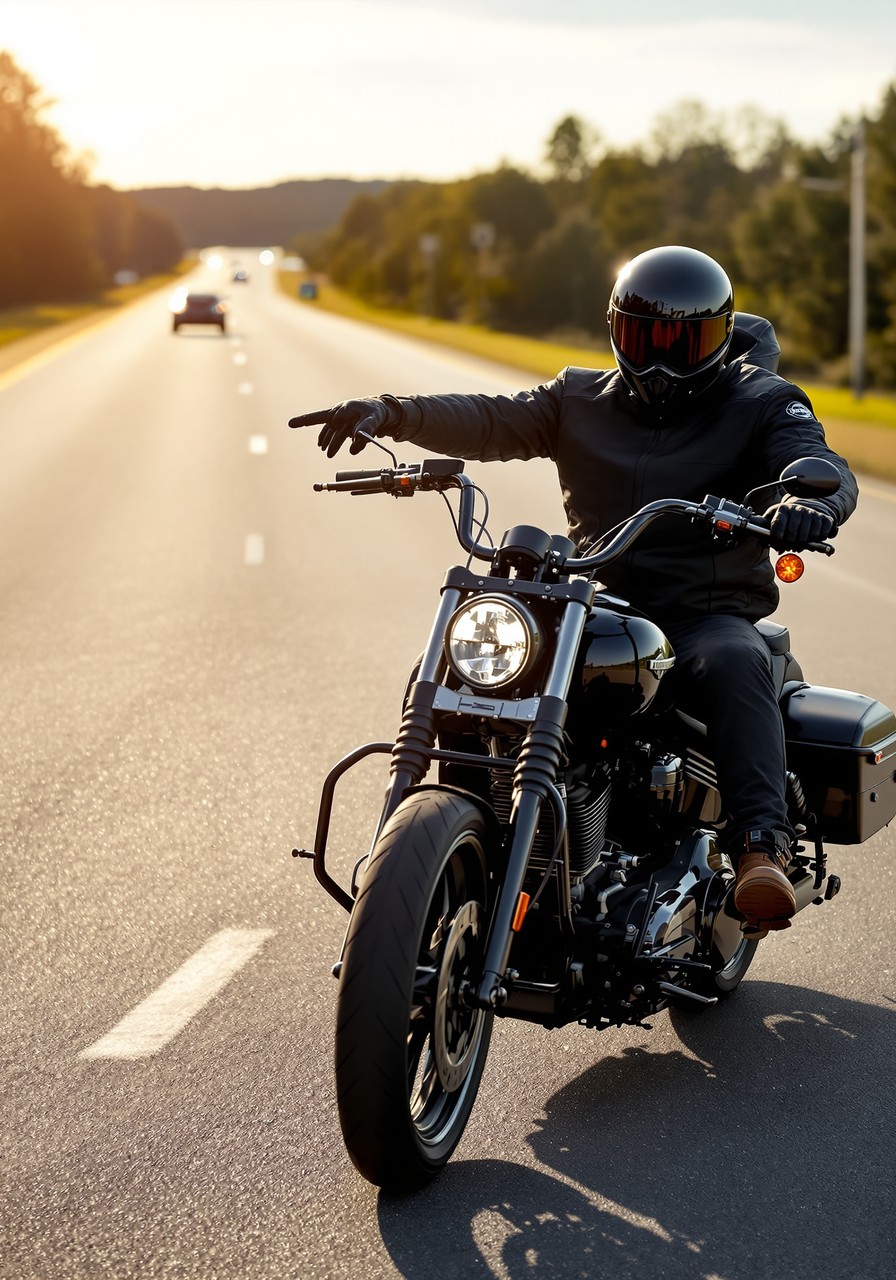
No no-fault here. North Carolina riders lean on health insurance, MedPay, the at-fault driver's liability, and your UM/UIM. Not sure what covers you? Call Hardison and Cochran at (919) 444-4444. #RideNationNC #KnowYourRights #NorthCarolinaRiders
Engagement
Fill in the blank: winter in Carolina is for ______. Go. #RideNationNC #CarolinaRiders #TwoWheels
Giveaway & Countdown
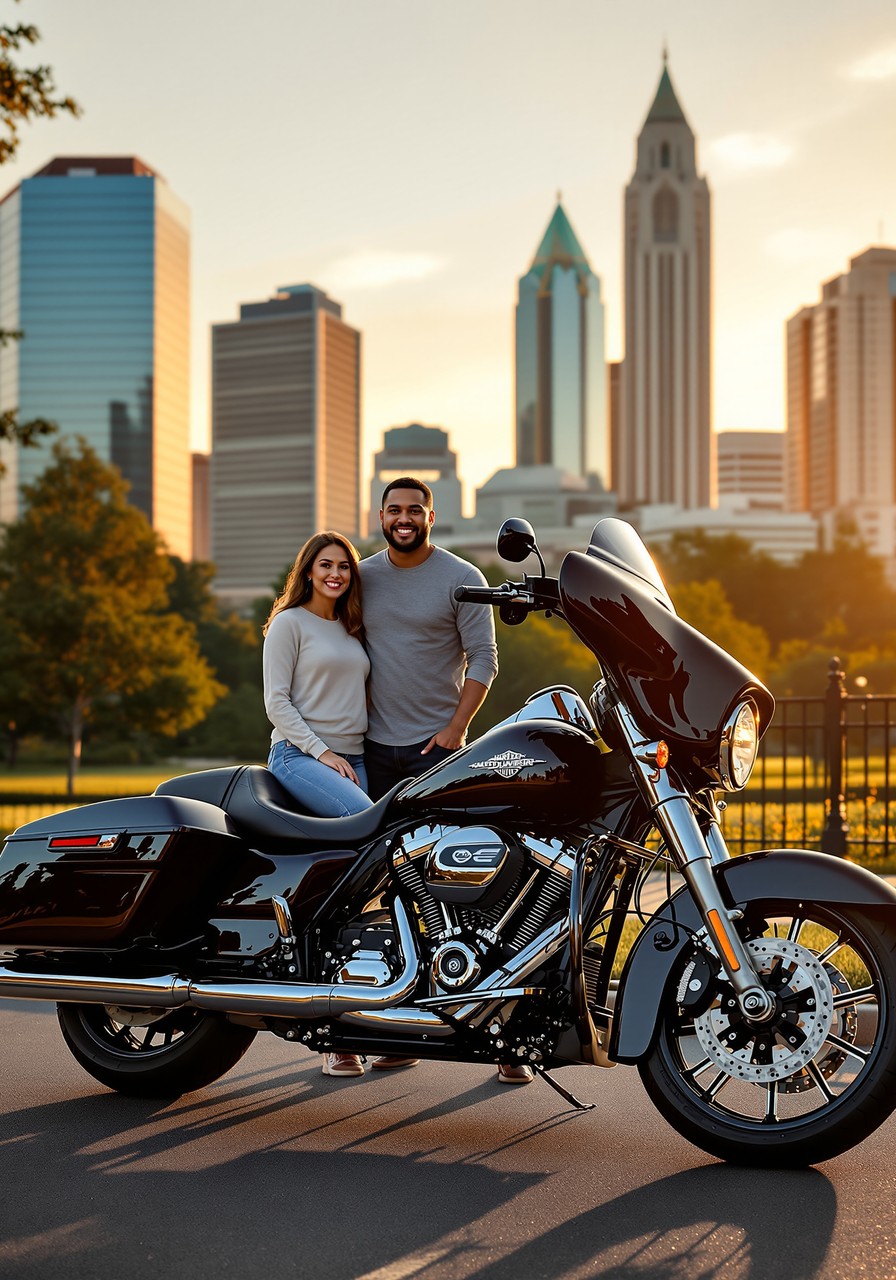
Been down on the road recently? A quick chat about your claim enters you in the BikersWin giveaway, no cost. Call (919) 444-4444. #RideNationNC #BikersWin #NorthCarolinaRiders
Local NC & Rides
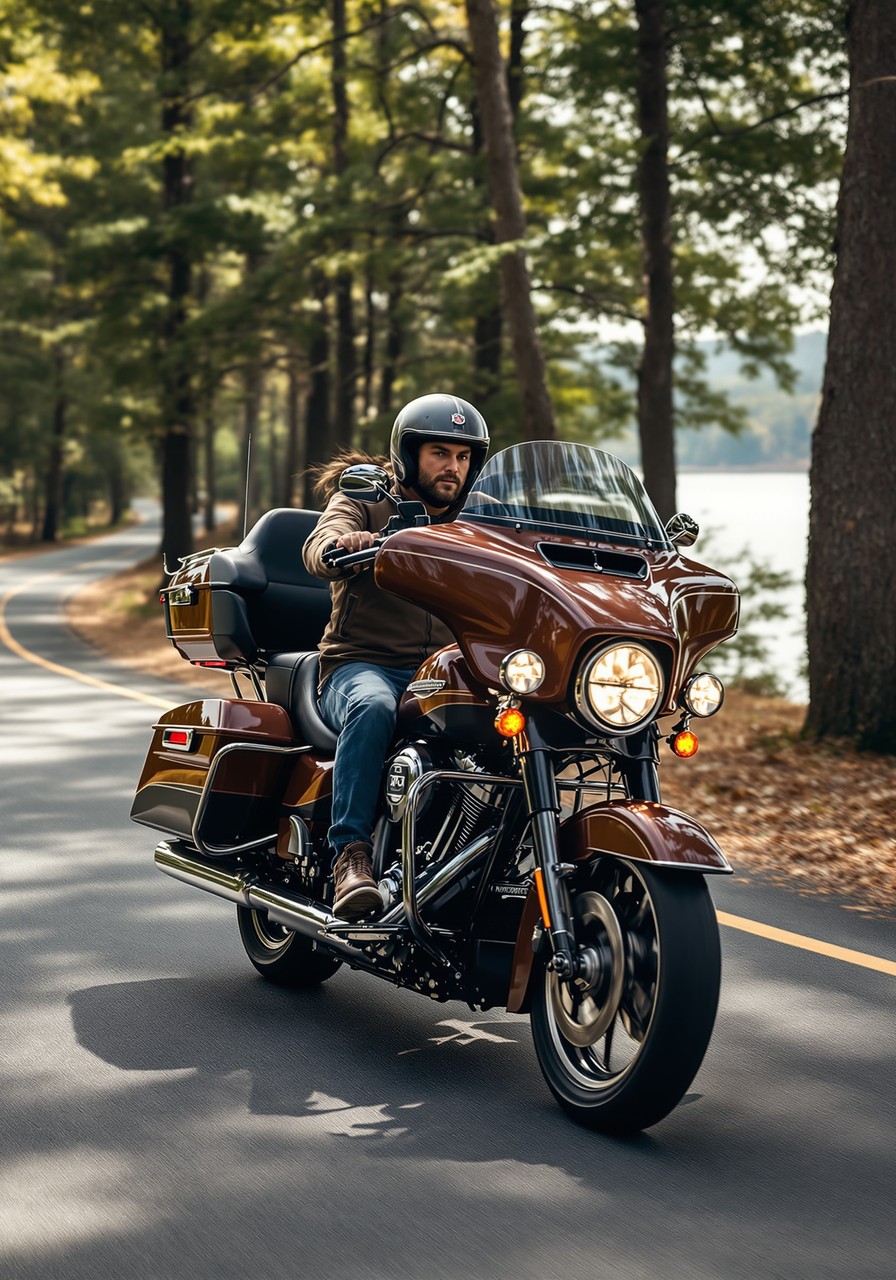
Jordan Lake backroads are made for an unhurried Sunday. Keep an eye out for gravel washed onto the pavement near the boat ramps after a hard rain. #RideNationNC #JordanLake #CarolinaRiders
Gear & New Iron
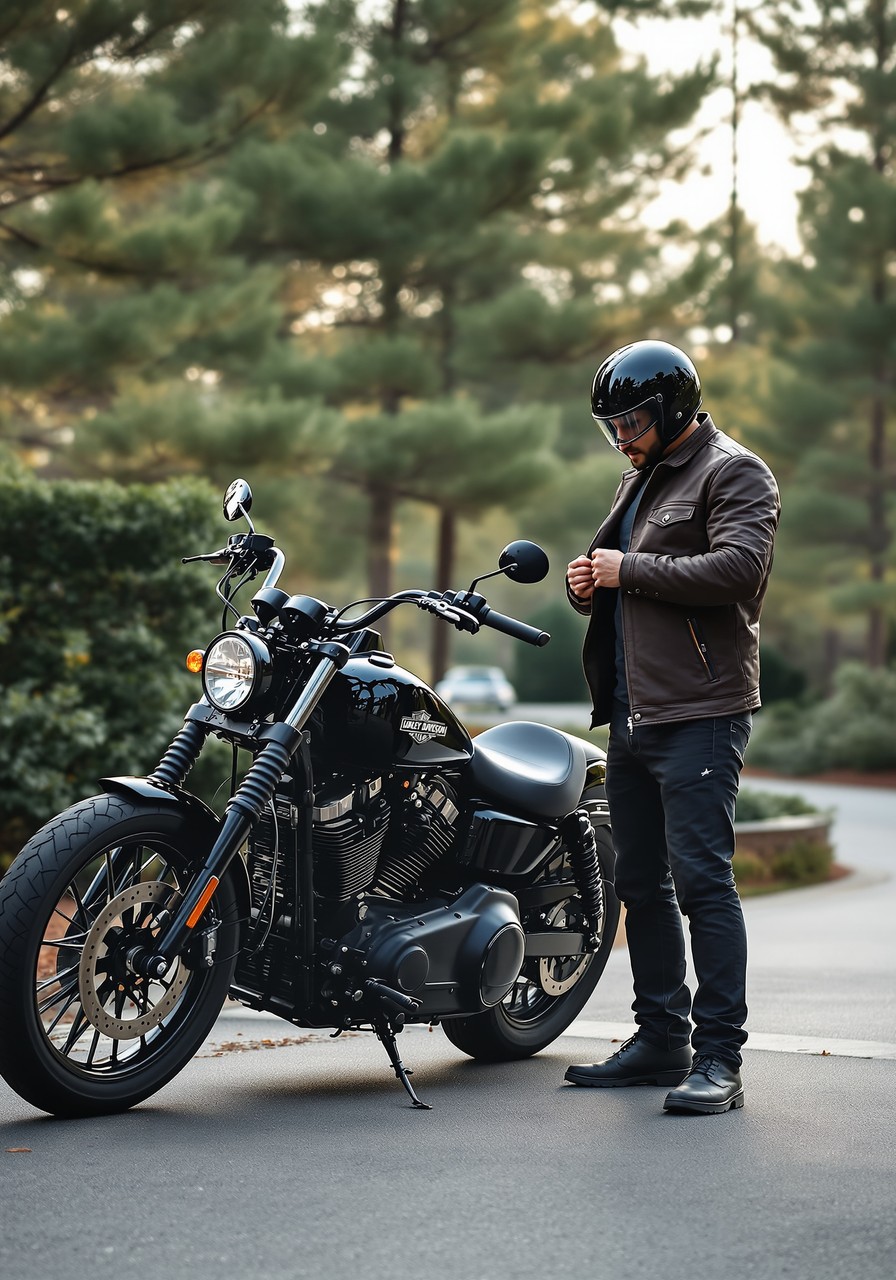
Helmets have a shelf life. The 5-year rule is real: glues break down, foam hardens, and NC humidity speeds it up. Check the date sticker under the liner. #RideNationNC #GearUp #ATGATT
Safety & NC Law
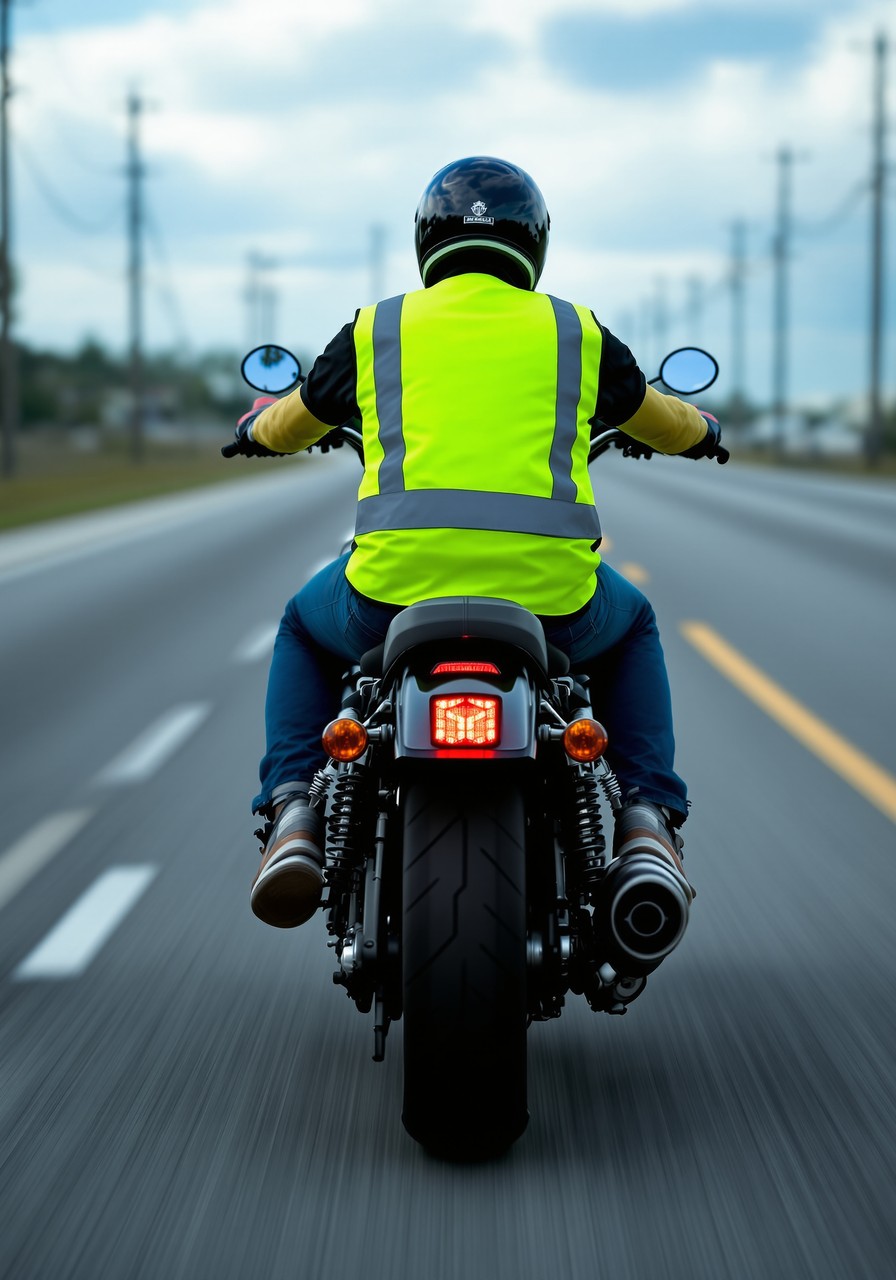
You have 3 years to file a personal injury claim in North Carolina, but evidence fades fast. The sooner you call, the stronger your case. Reach Hardison and Cochran at (919) 444-4444. #RideNationNC #RiderRights #RaleighRiders
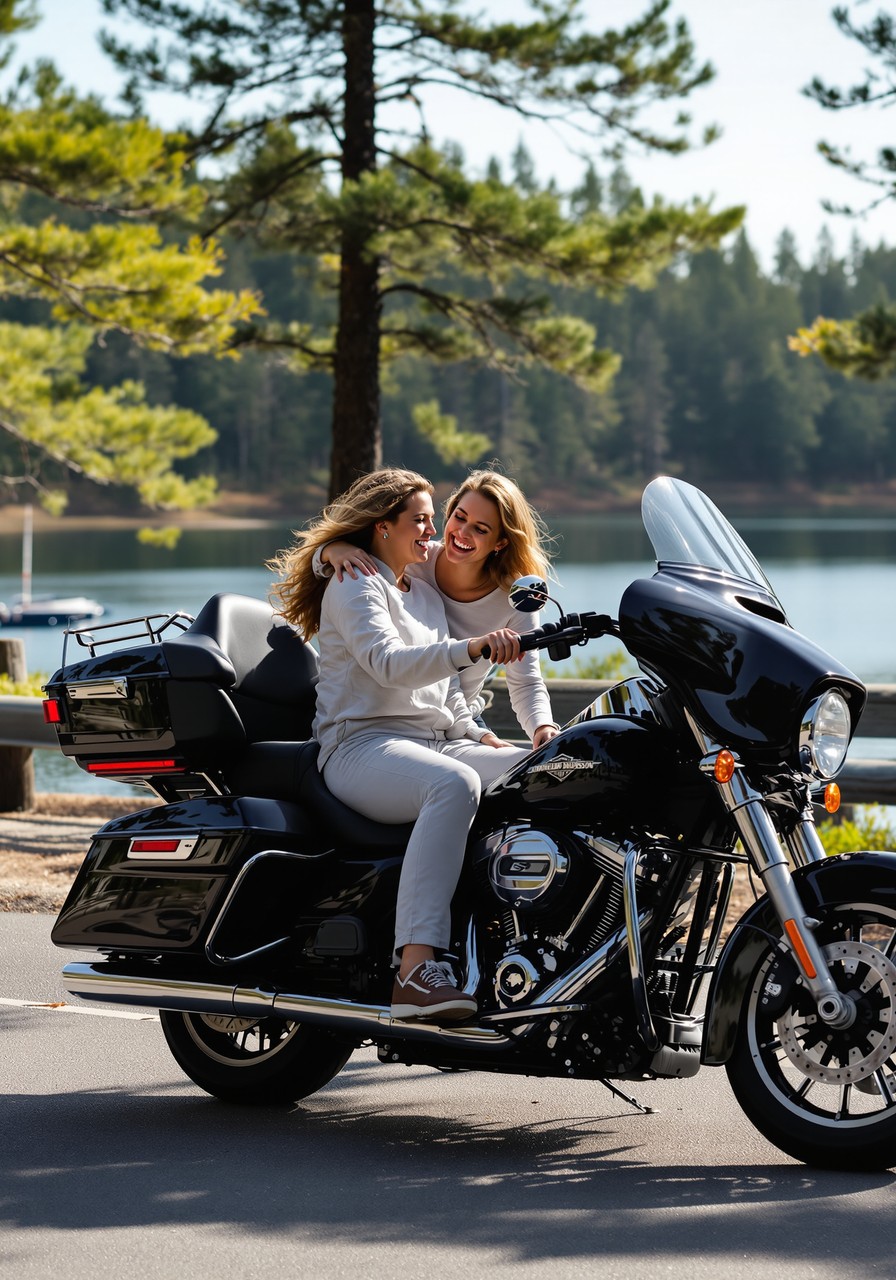
Engagement
Caption this: your bike under a car cover, waiting out January. What is it thinking? #RideNationNC #NorthCarolinaRiders #TwoWheels
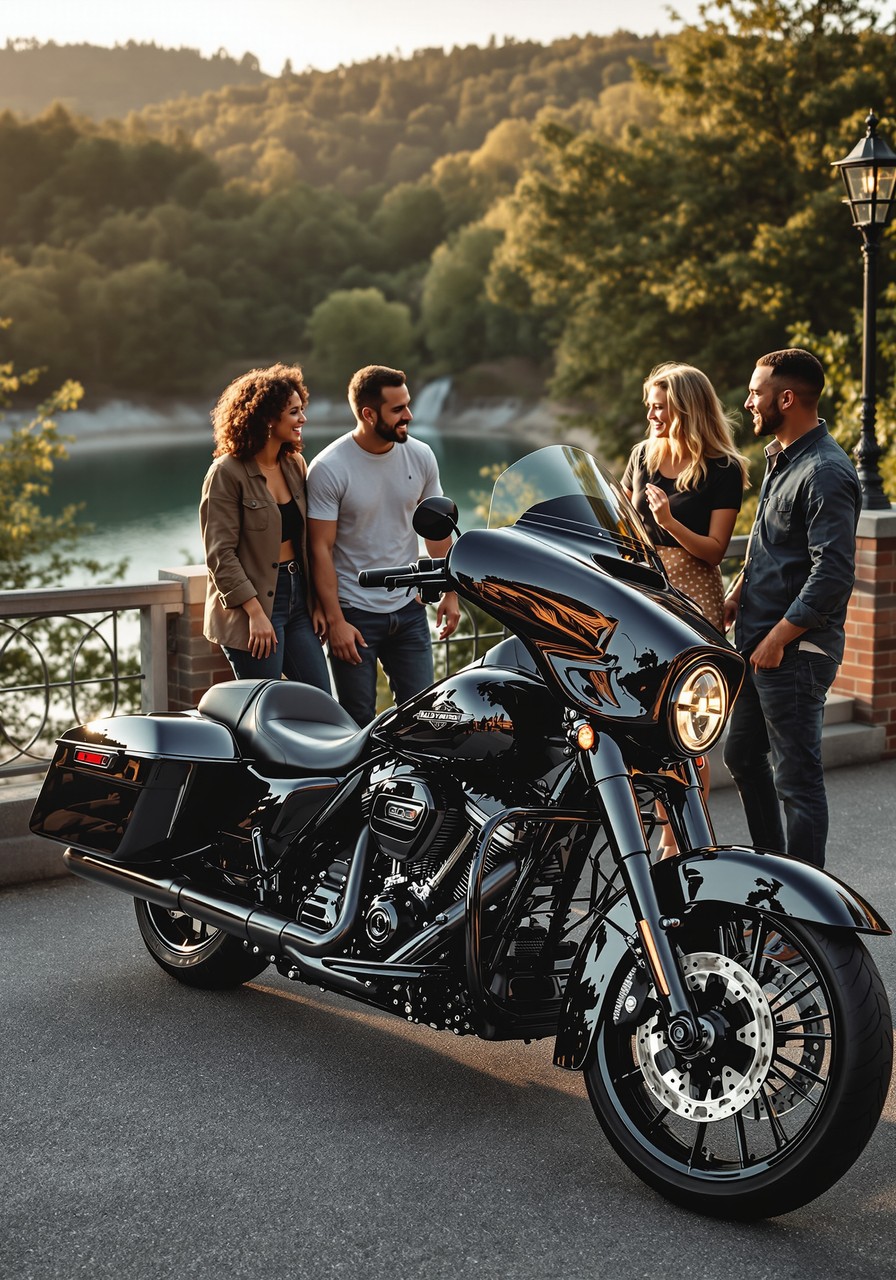
Giveaway & Countdown
Free to enter, always. Talk to us about your motorcycle crash and you are in the running for $20,000. Dial (919) 444-4444. #RideNationNC #20kGiveaway #TheTriangle
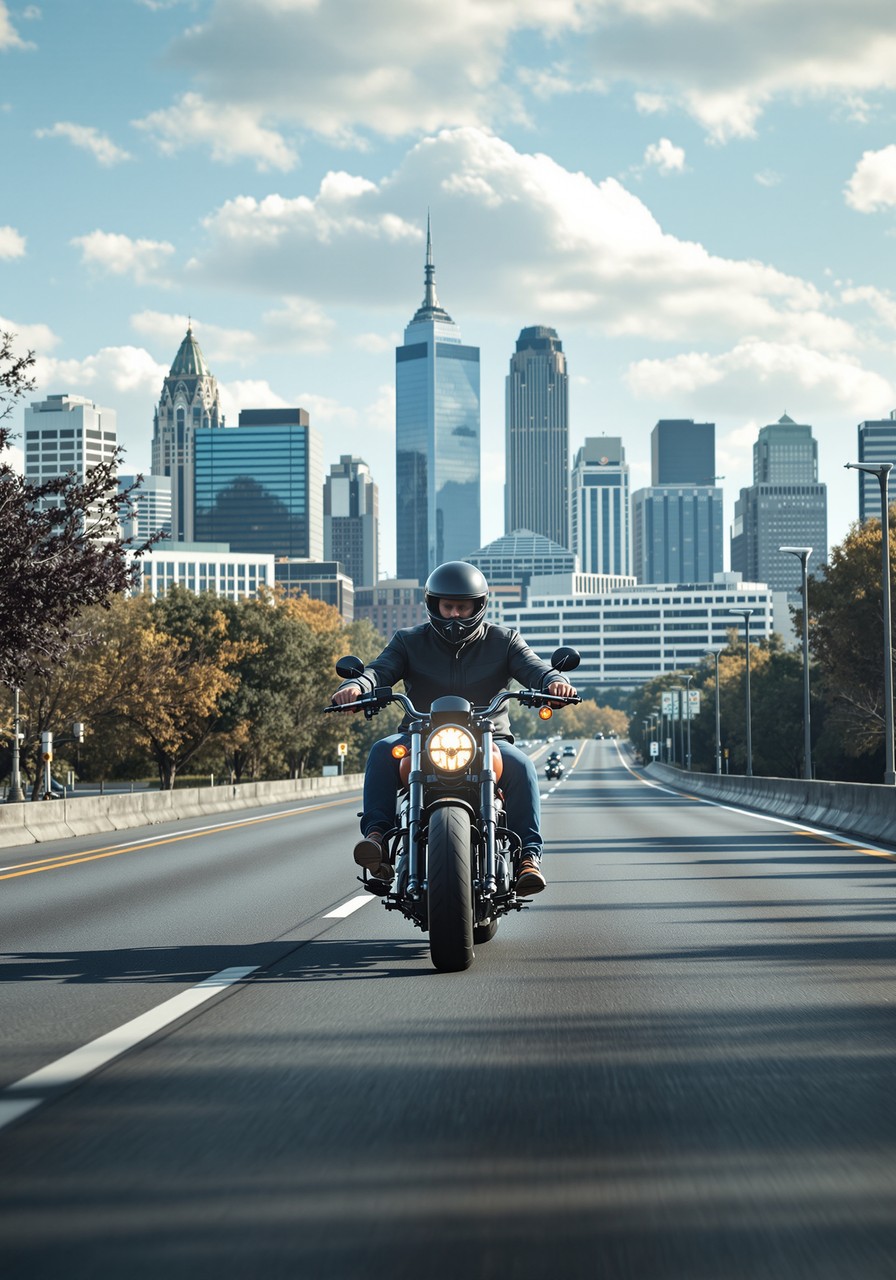
Local NC & Rides
The roads around William B. Umstead State Park give you tree cover and easy curves ten minutes from the city. Nice reset ride when you only have an hour. #RideNationNC #RaleighRiders #MotorcycleRoads
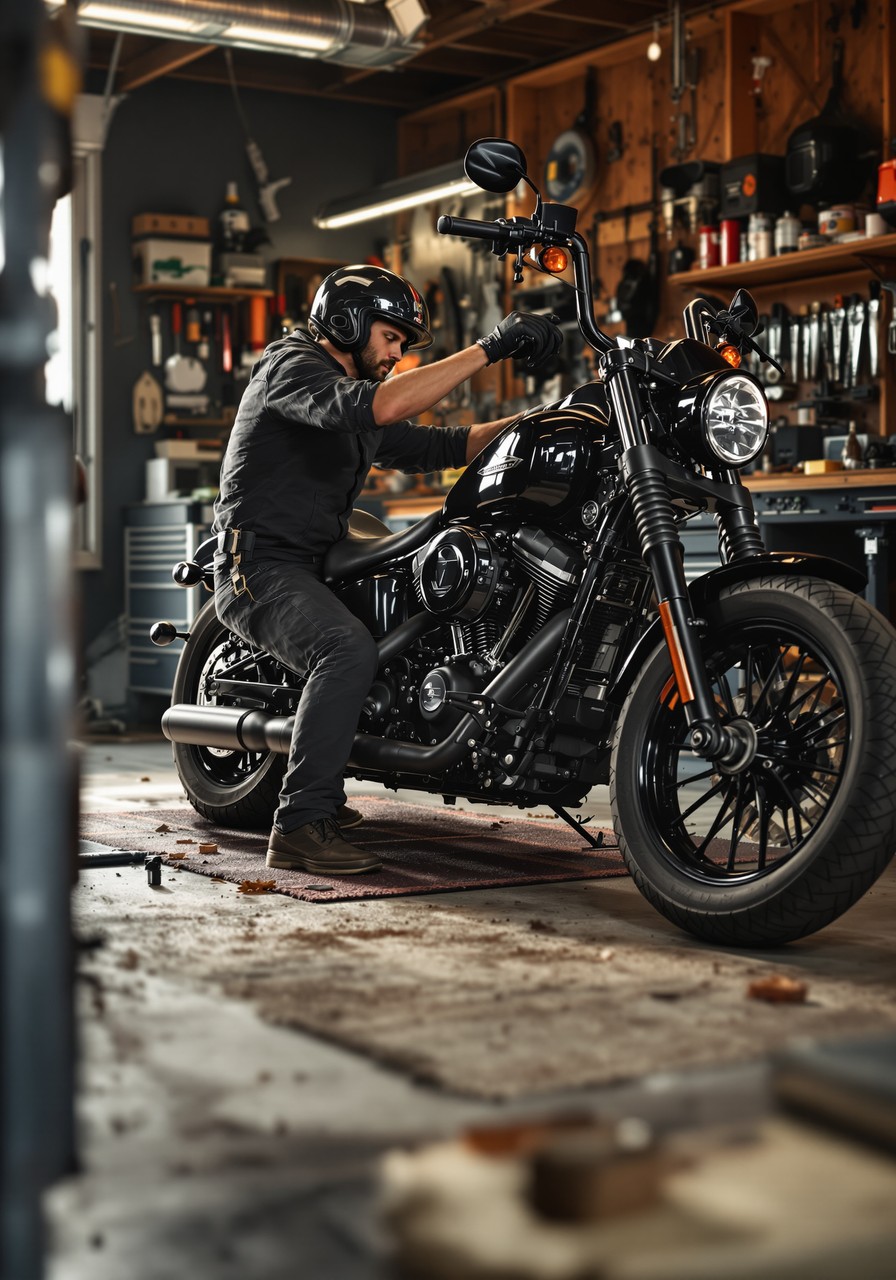
Gear & New Iron
That mesh jacket feels great in July, but the armor is the point. Look for CE Level 1 or 2 at the shoulders, elbows, and back before you buy. #RideNationNC #GearUp #ATGATT
Safety & NC Law
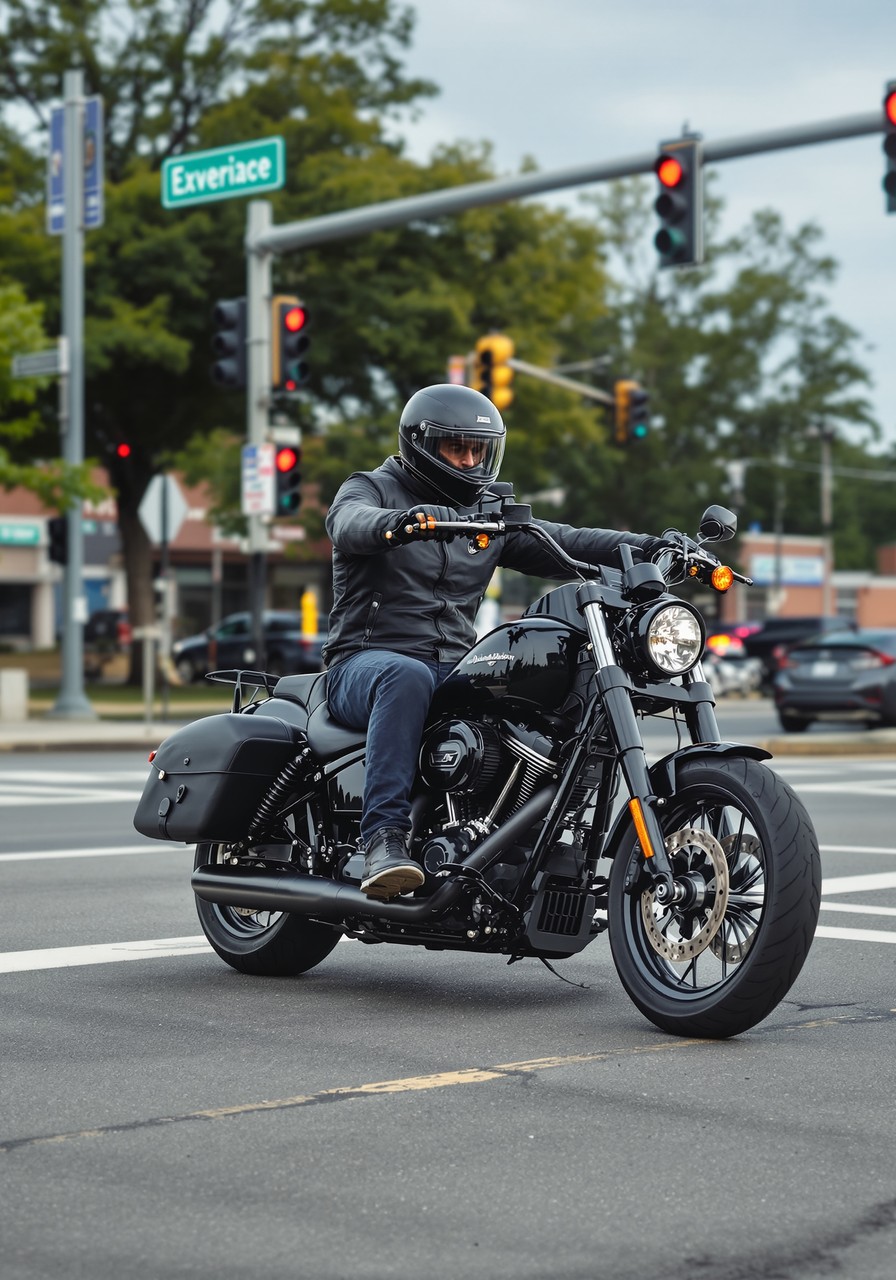
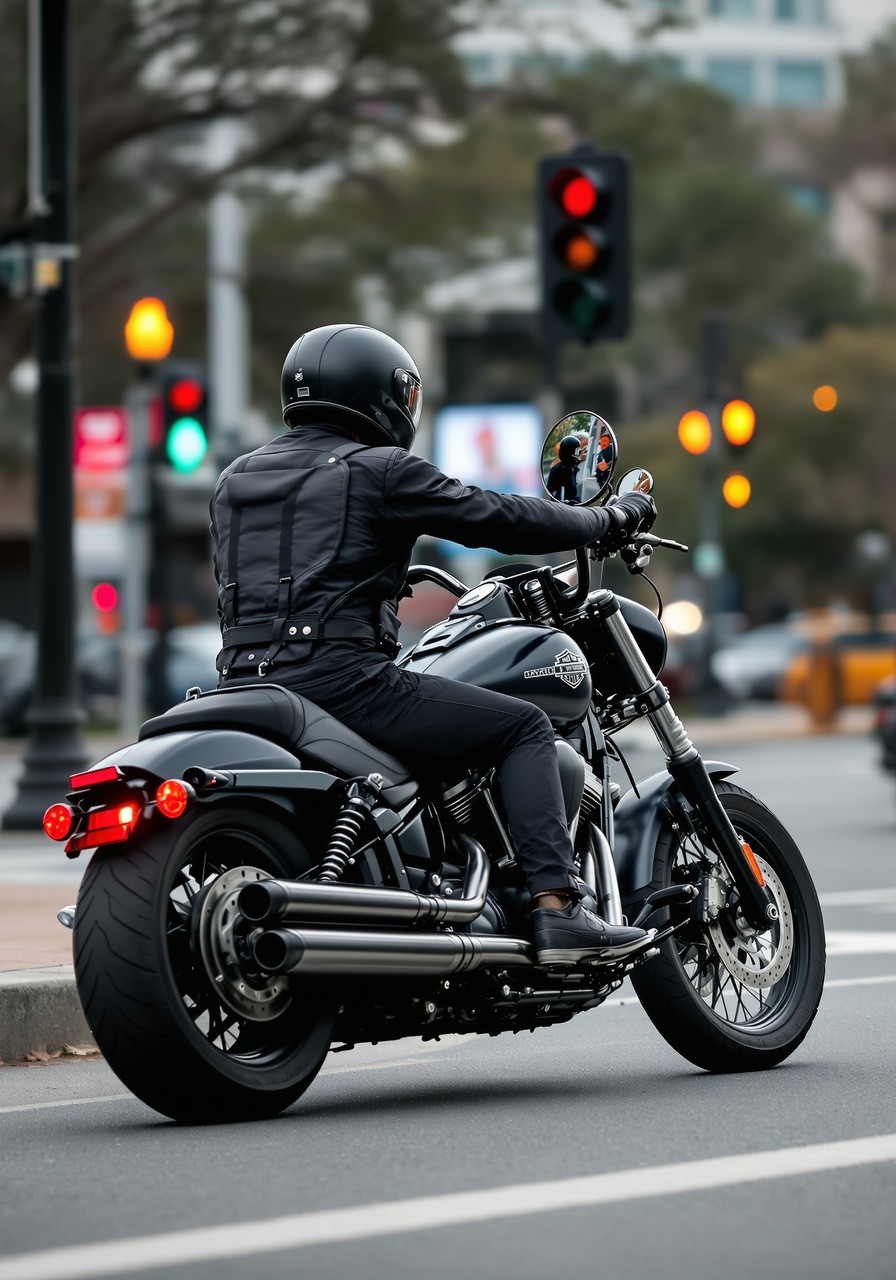
Left-turning drivers cause more rider wrecks than anything at Triangle intersections. If one turned into you and claimed 'I never saw the motorcycle,' call Hardison and Cochran at (919) 444-4444. #RideNationNC #MotorcycleSafety #TheTriangle
Engagement
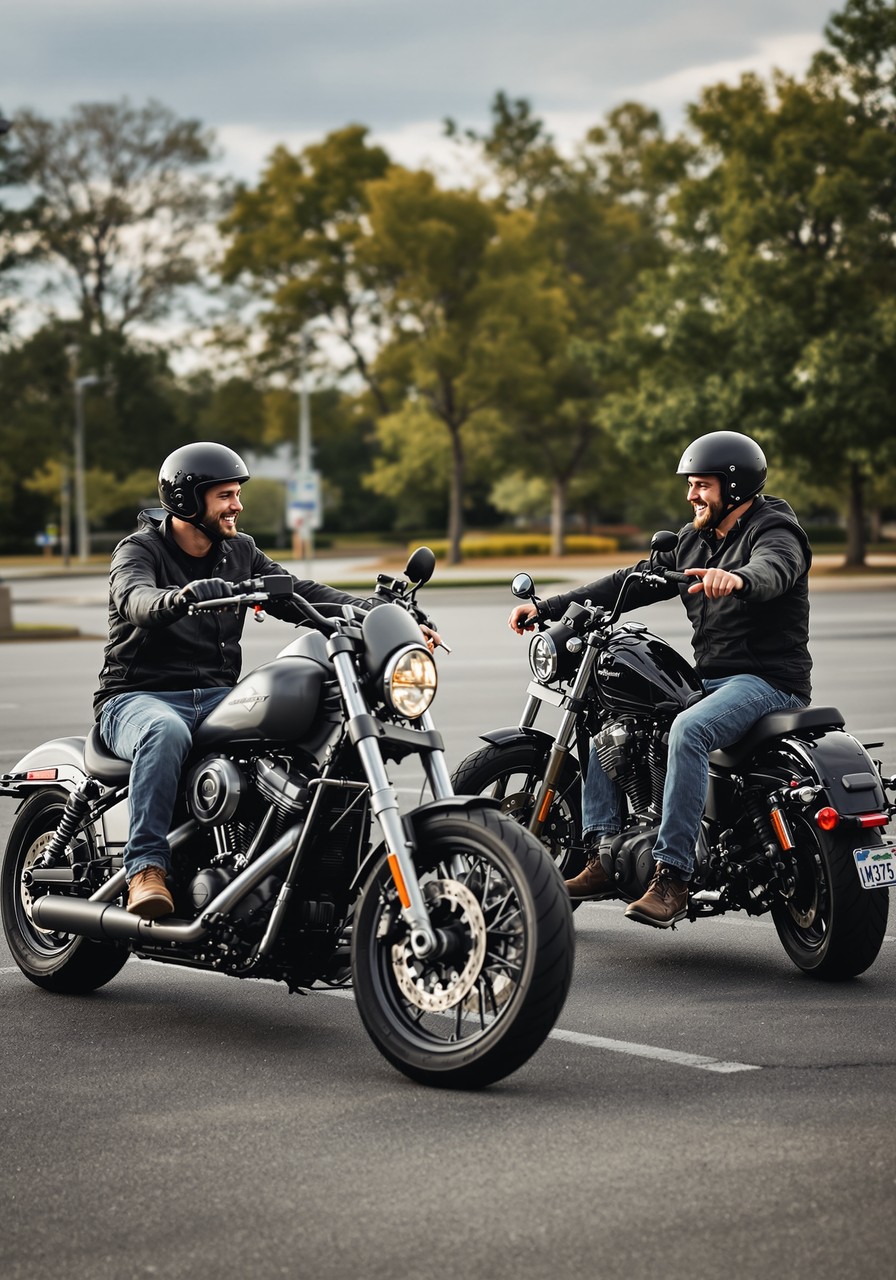
Poll: first warm Saturday of the year, do you head for the Uwharrie or the Parkway? Drop your vote below. #RideNationNC #Uwharrie #BlueRidgeParkway
Giveaway & Countdown
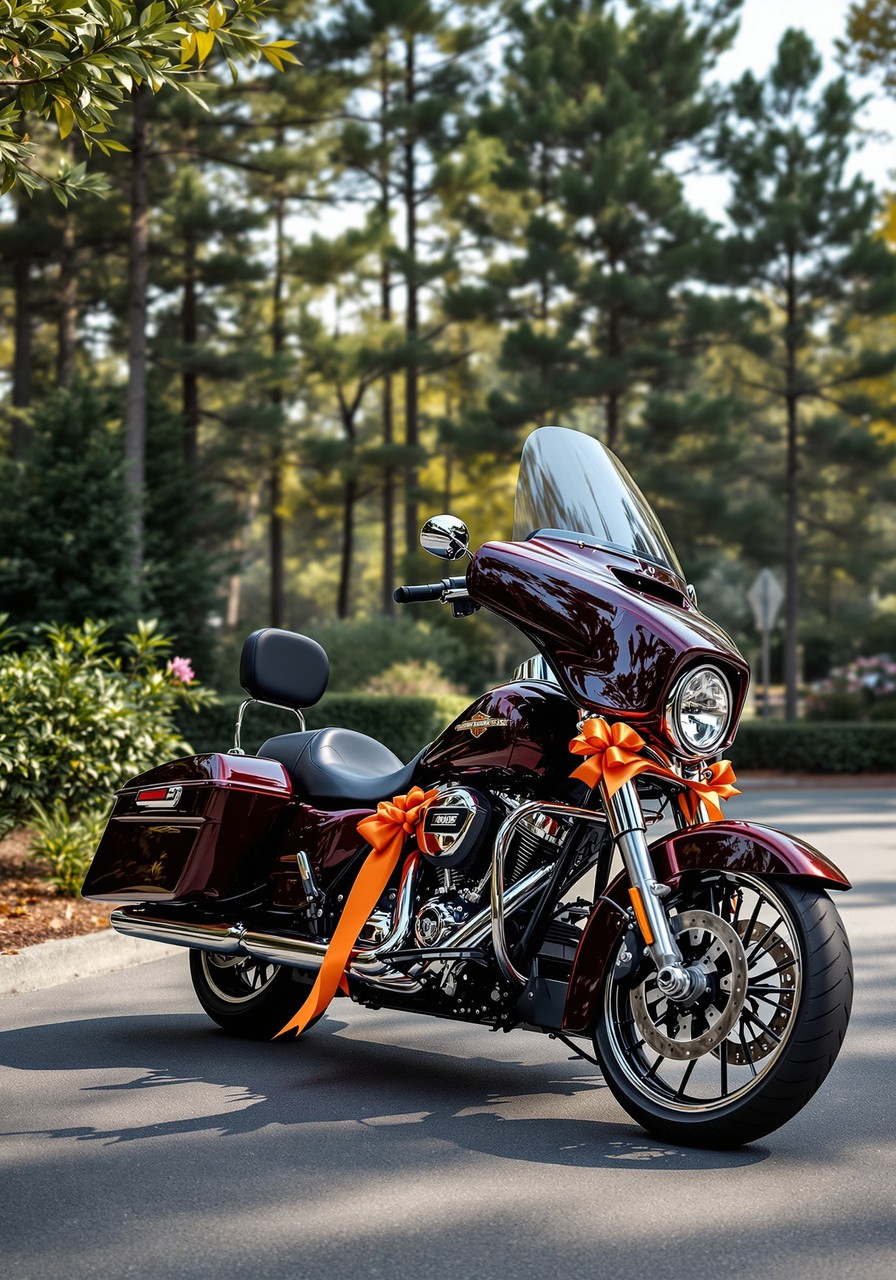
Got questions about the giveaway? We have answers. Call Hardison & Cochran at (919) 444-4444 and we will walk you through it. #RideNationNC #MotorcycleGiveaway #RaleighRiders
Local NC & Rides
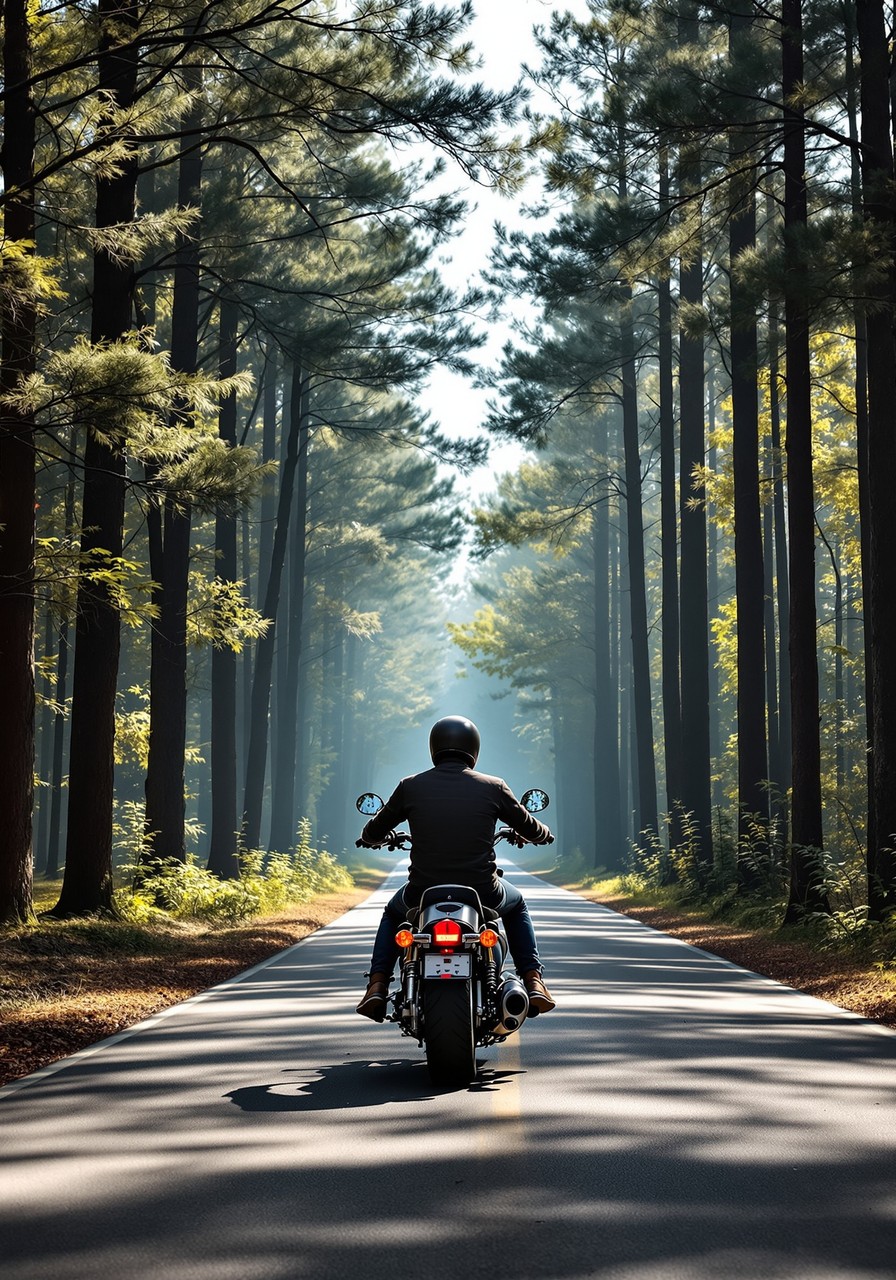
The Neuse River greenway area is a calm warm-up route, but leaves and damp shade keep those surfaces slick well into the afternoon. Ease into it. #RideNationNC #TheTriangle #CarolinaRiders
Gear & New Iron
Back protector talk: most jackets ship with a foam placeholder, not real armor. Drop 40 bucks on a CE-rated insert. Best money you never want to test. #RideNationNC #GearUp #RiderTips
Safety & NC Law
In 2025 North Carolina raised minimum liability to 30/60/25. That is still thin coverage for a serious rider injury. Questions about your claim? Call Hardison and Cochran at (919) 444-4444. #RideNationNC #KnowYourRights #NorthCarolinaRiders
Engagement
Quick question for the group: heated grips or extra layers? There is a right answer and we want yours. #RideNationNC #CarolinaRiders #RaleighRiders
Giveaway & Countdown
No purchase, no catch. A conversation about your crash is your ticket into the $20K BikersWin giveaway. (919) 444-4444. #RideNationNC #BikersWin #20kGiveaway
Local NC & Rides
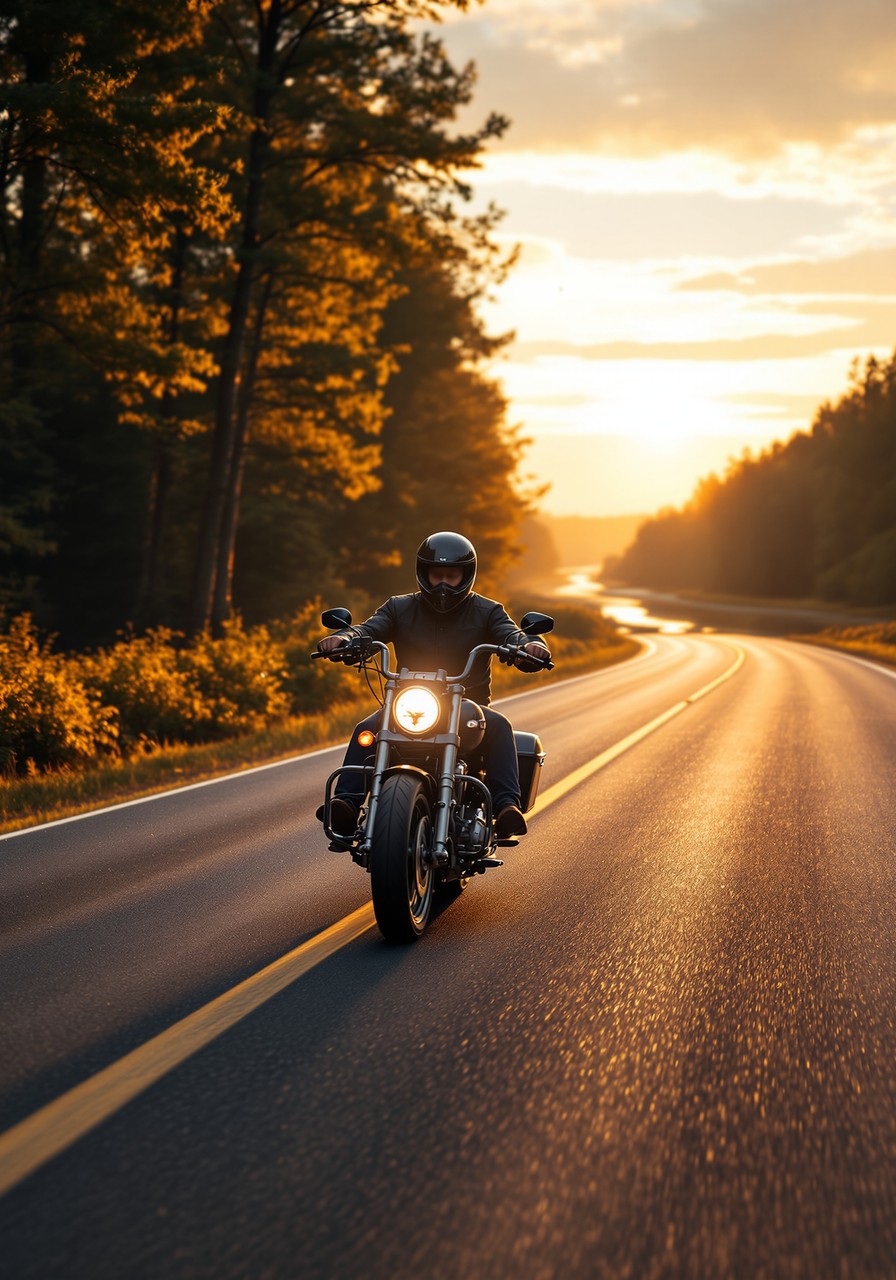
US-64 east opens up once you clear the suburbs and the traffic thins out. Good pick when you want miles without the mountains. #RideNationNC #NorthCarolinaRiders #MotorcycleRoads
Gear & New Iron
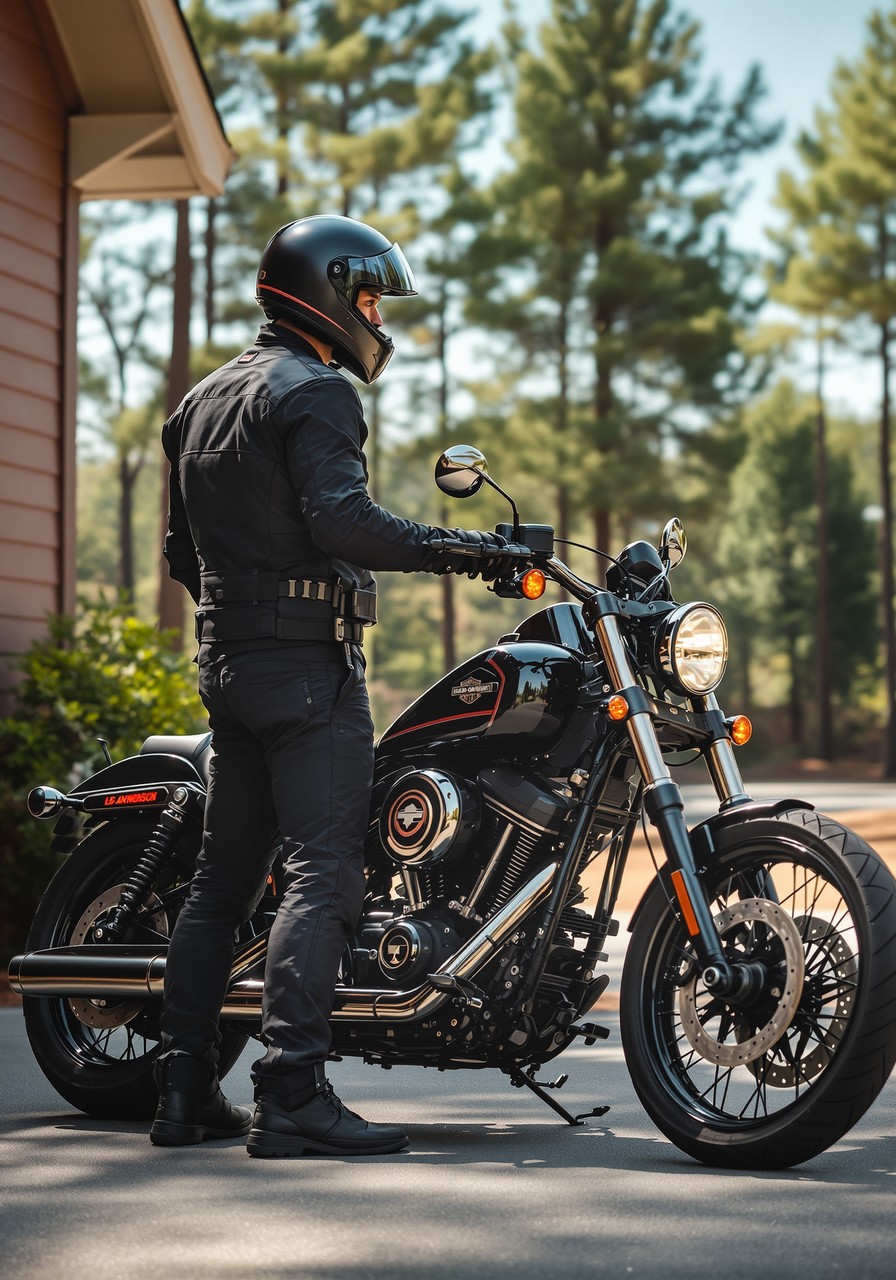
Gloves are not optional gear. Your hands hit the ground first, every time. Full-fingered with knuckle protection beats road rash on your palms. #RideNationNC #GearUp #ATGATT
Safety & NC Law
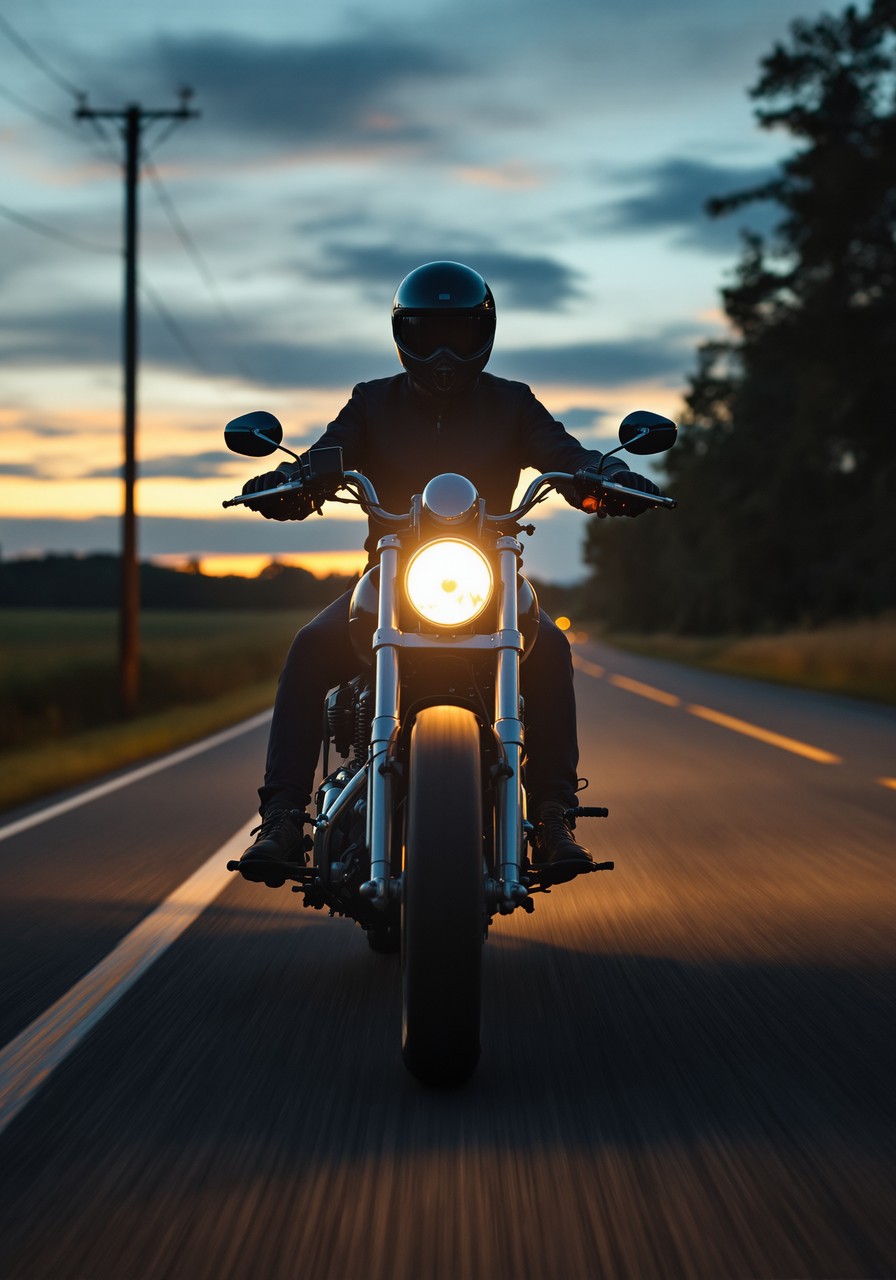
Because North Carolina is pure contributory negligence, the other driver's insurer will hunt for any fault on you. Photograph everything and call Hardison and Cochran at (919) 444-4444 before you give a statement. #RideNationNC #RiderRights #TheTriangle
Engagement
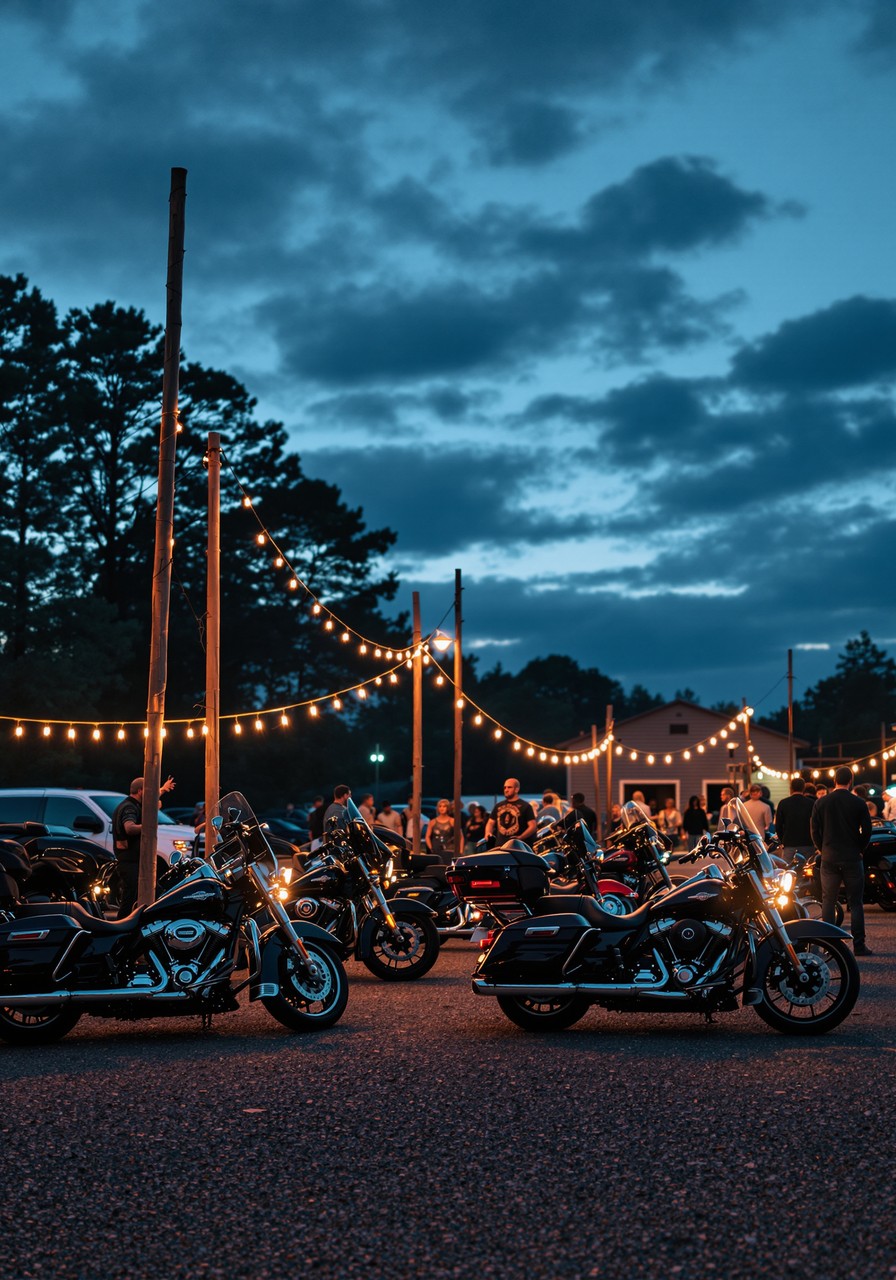
Tag the rider who talked you into your first bike. We will wait. #RideNationNC #RideOrDie #NorthCarolinaRiders
Giveaway & Countdown
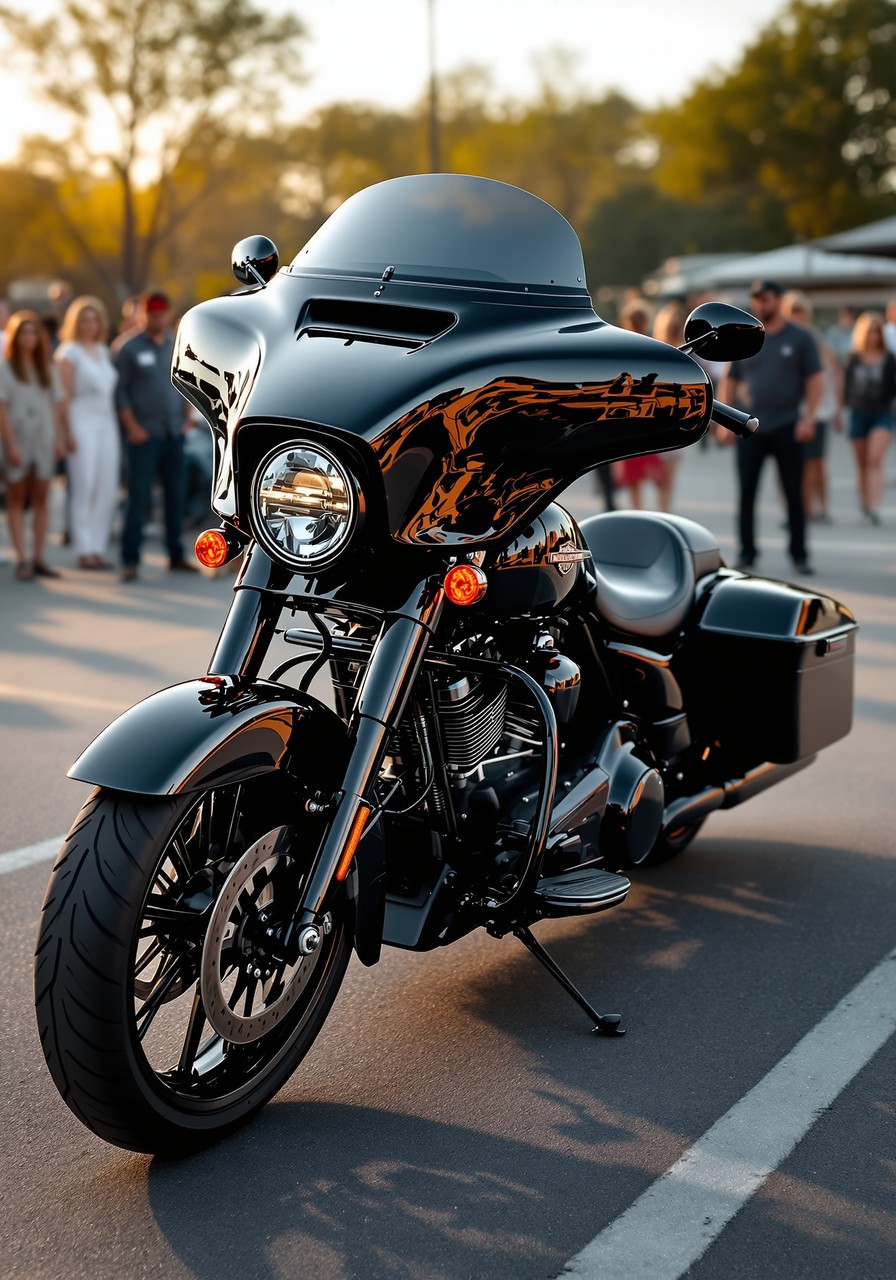
Every rider deserves a shot at twenty grand. Talk to us about your claim, free, and you are entered. Call (919) 444-4444. #RideNationNC #NorthCarolinaRiders #TheTriangle
Local NC & Rides
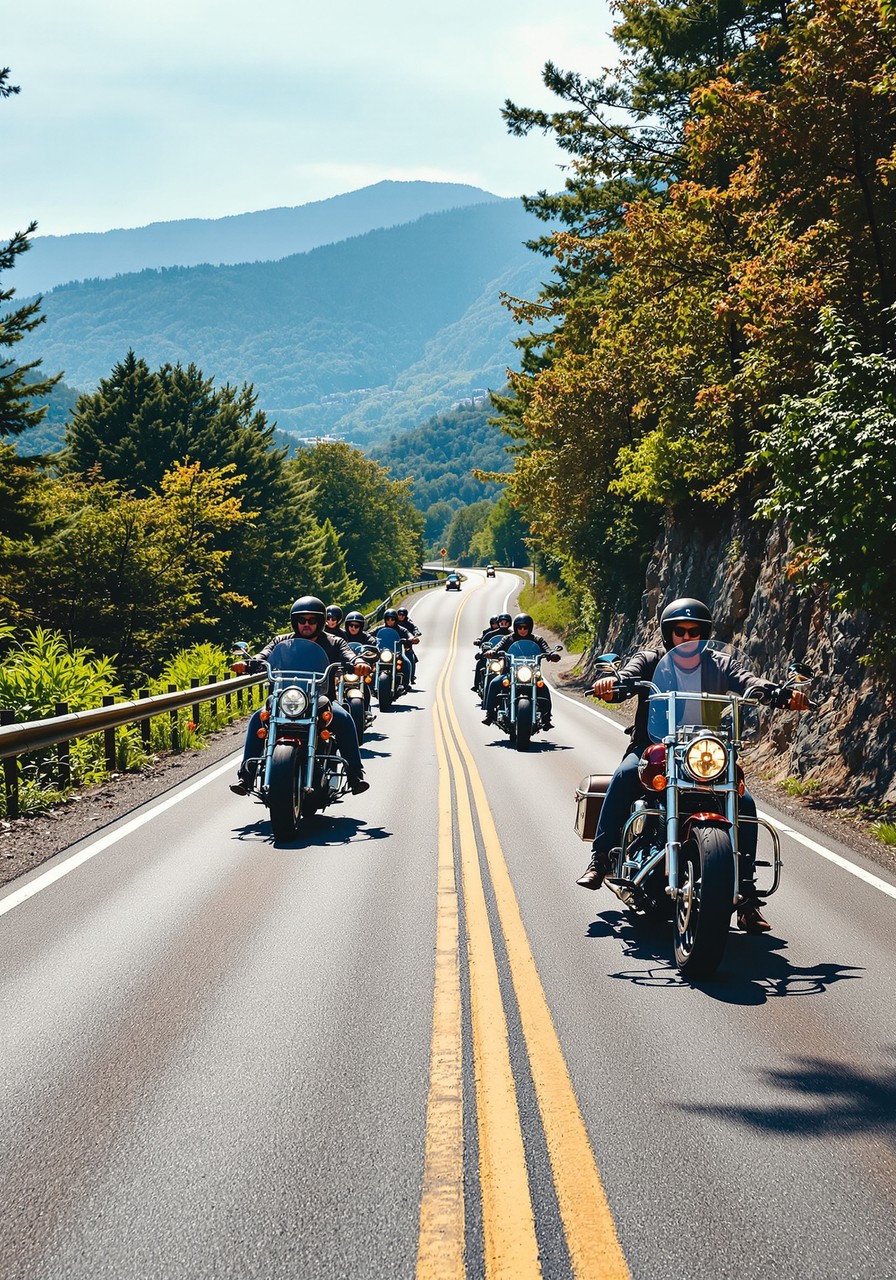
US-1 gives you a straight shot when you just want seat time on a blue-sky day. Watch your following distance where it merges and splits. #RideNationNC #RaleighRiders #CarolinaRiders
Gear & New Iron
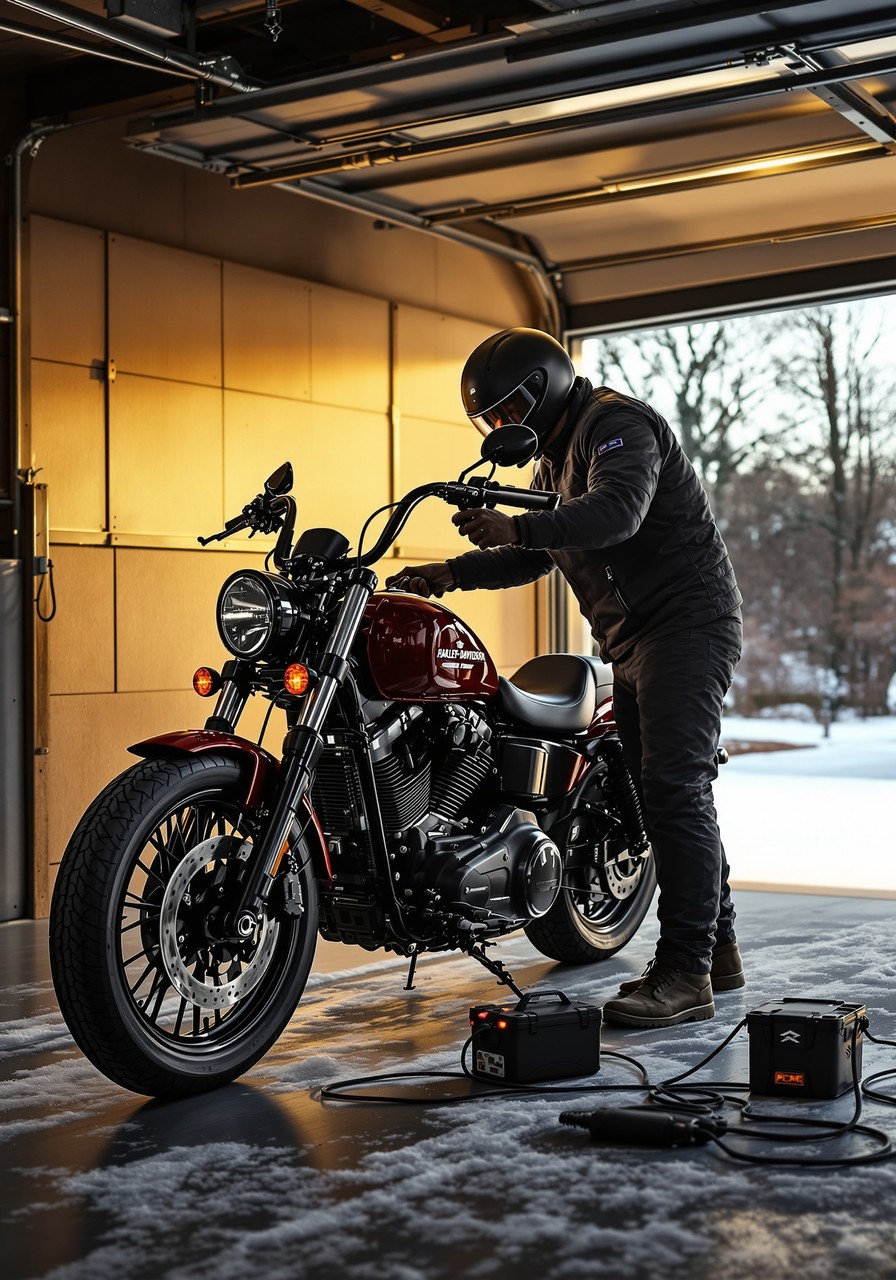
Summer glove tip for NC humidity: perforated leather breathes and still protects. Sweaty bare knuckles on the grips is not a look, it is a hazard. #RideNationNC #GearUp #RiderTips
Safety & NC Law
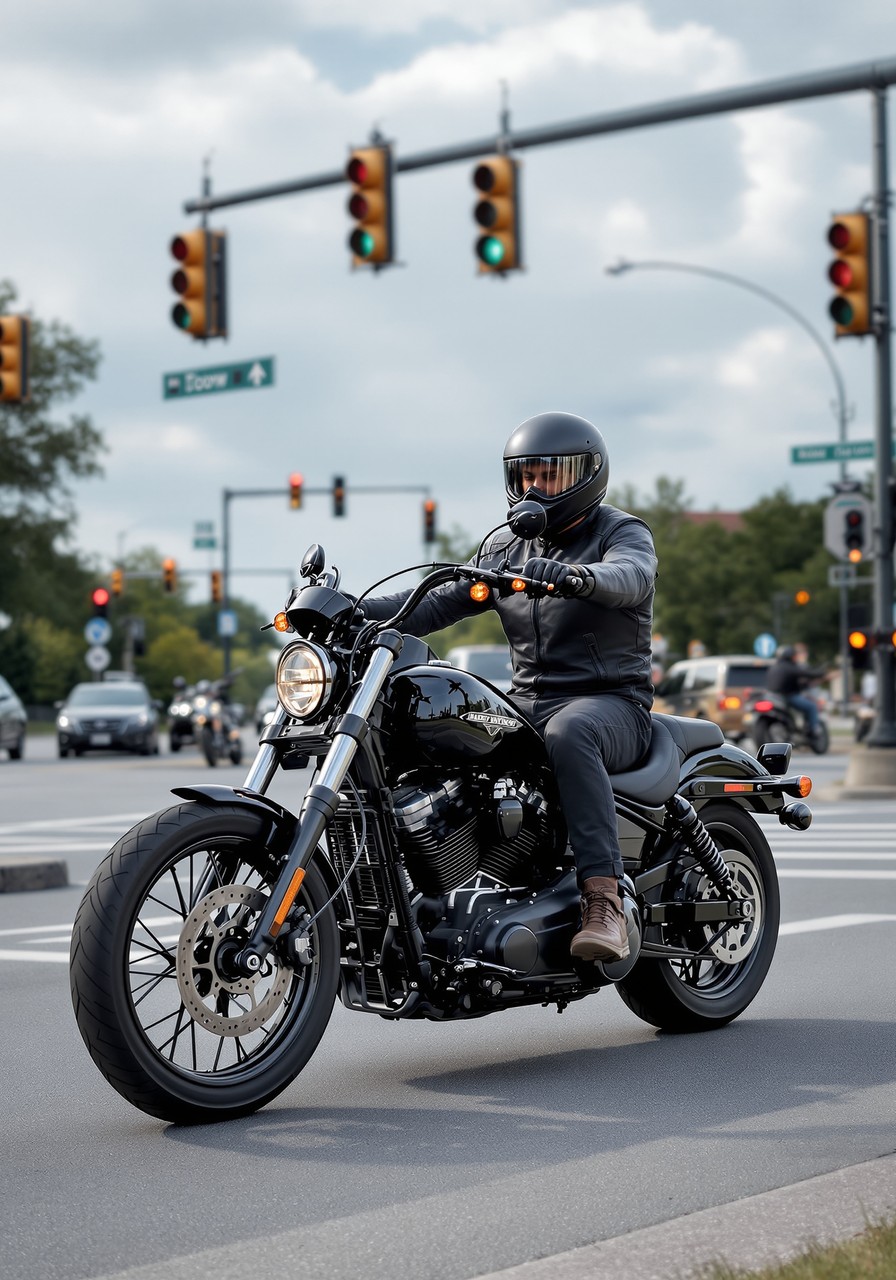
UM/UIM coverage is required in North Carolina, and it is your real backstop when the driver who hit you has too little insurance. Not sure you have enough? Call Hardison and Cochran at (919) 444-4444. #RideNationNC #KnowYourRights #NorthCarolinaRiders
Engagement
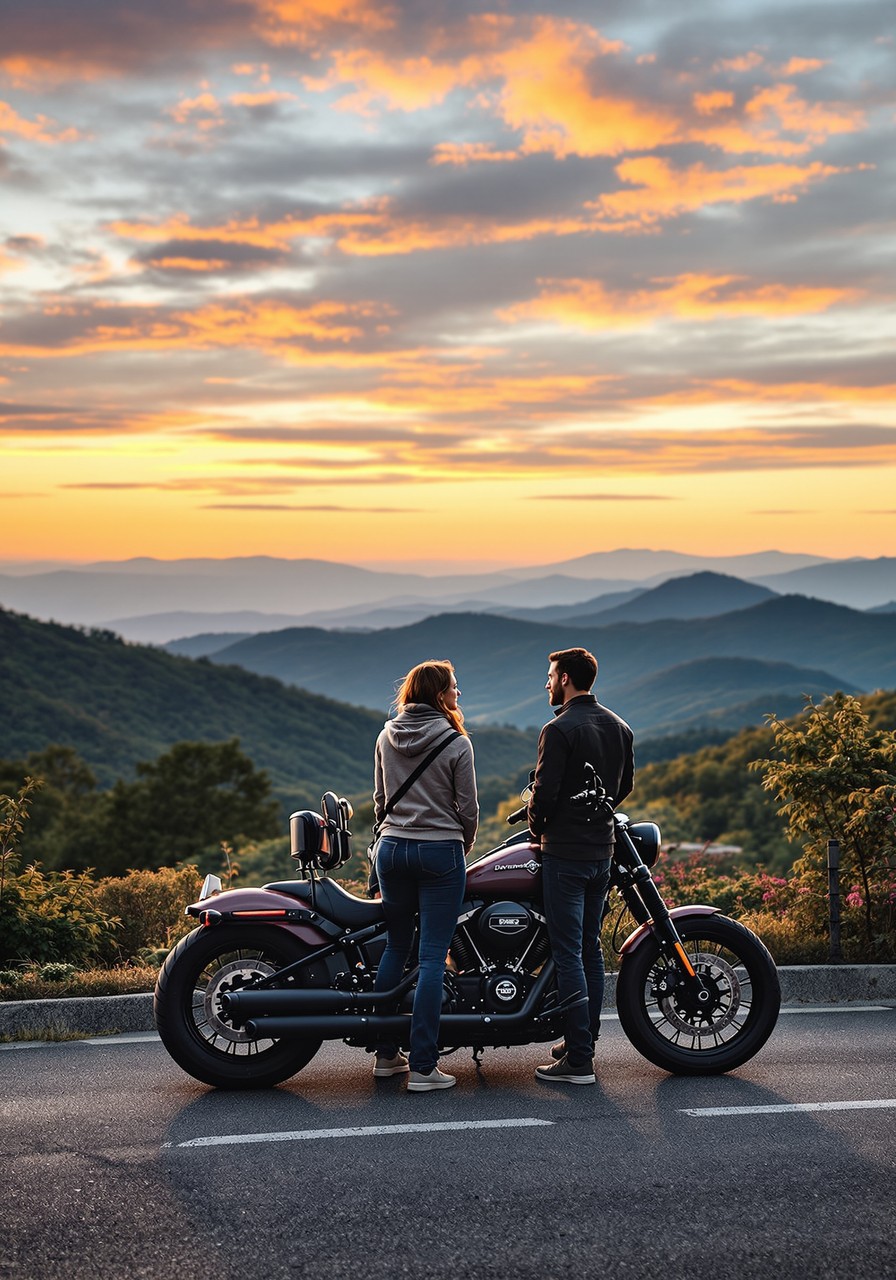
This or that: coffee stop before the ride or coffee stop after. Defend your pick. #RideNationNC #TheTriangle #TwoWheels
Giveaway & Countdown
Not sure if you qualify to enter? One free call sorts it out. Reach Ben Cochran at (919) 444-4444. #RideNationNC #MotorcycleGiveaway #RaleighRiders
Local NC & Rides
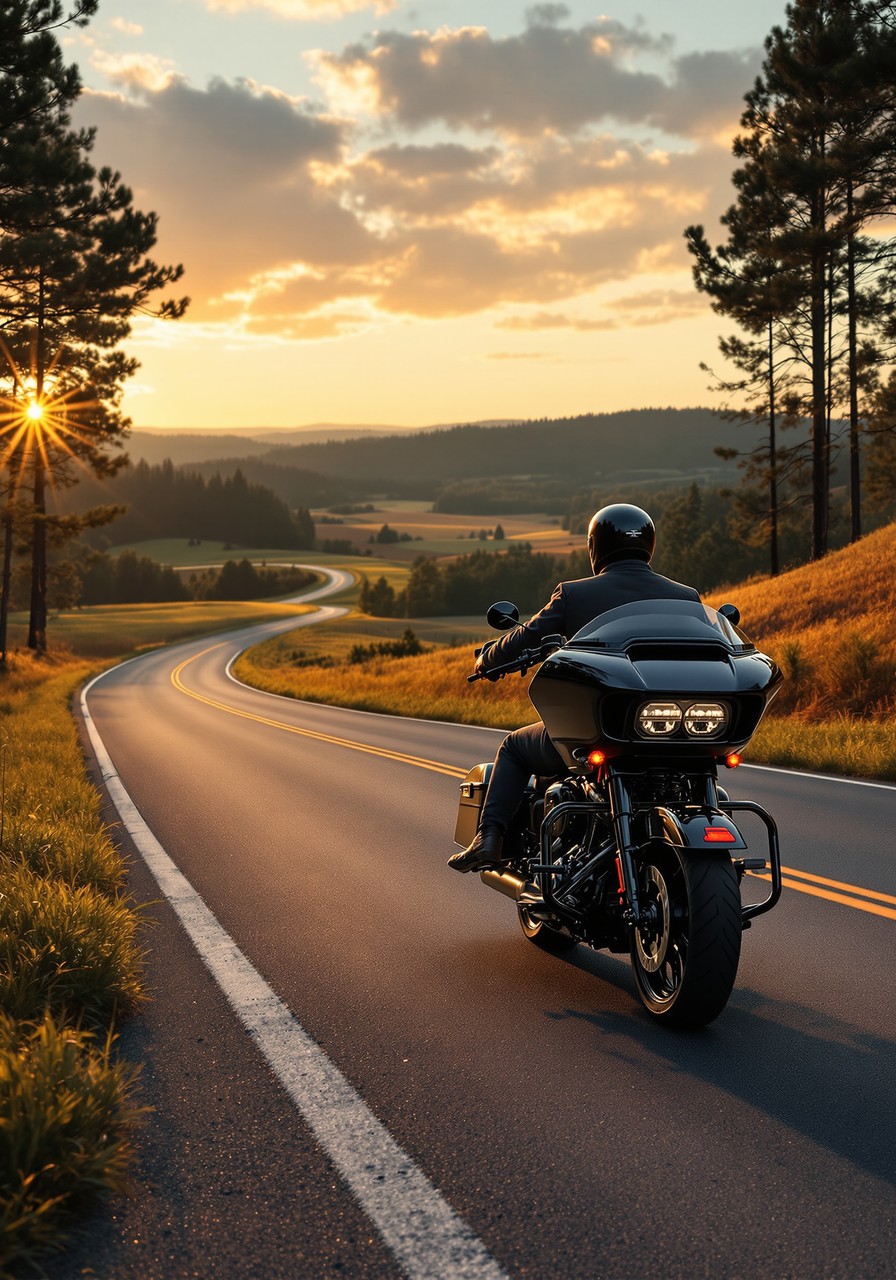
I-40 through the Triangle is quick but it is not a ride. Save the slab for getting there and take the backroads home. #RideNationNC #TheTriangle #NorthCarolinaRiders
Gear & New Iron
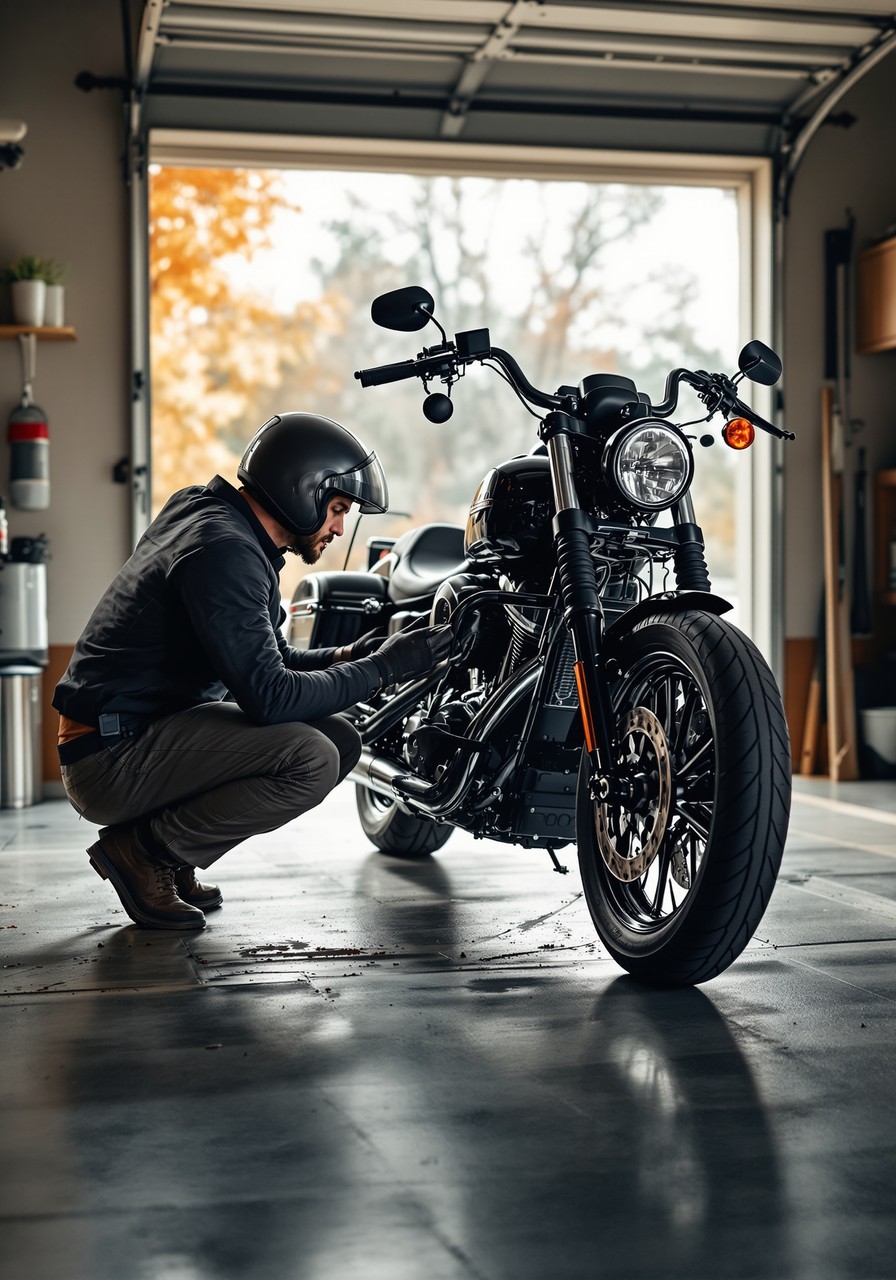
Layering beats one bulky coat for Carolina's swingy temps. Base layer, mid layer, shell. Peel off at the coffee stop, add back when the sun drops. #RideNationNC #ColdWeatherRiding #RiderTips
Safety & NC Law
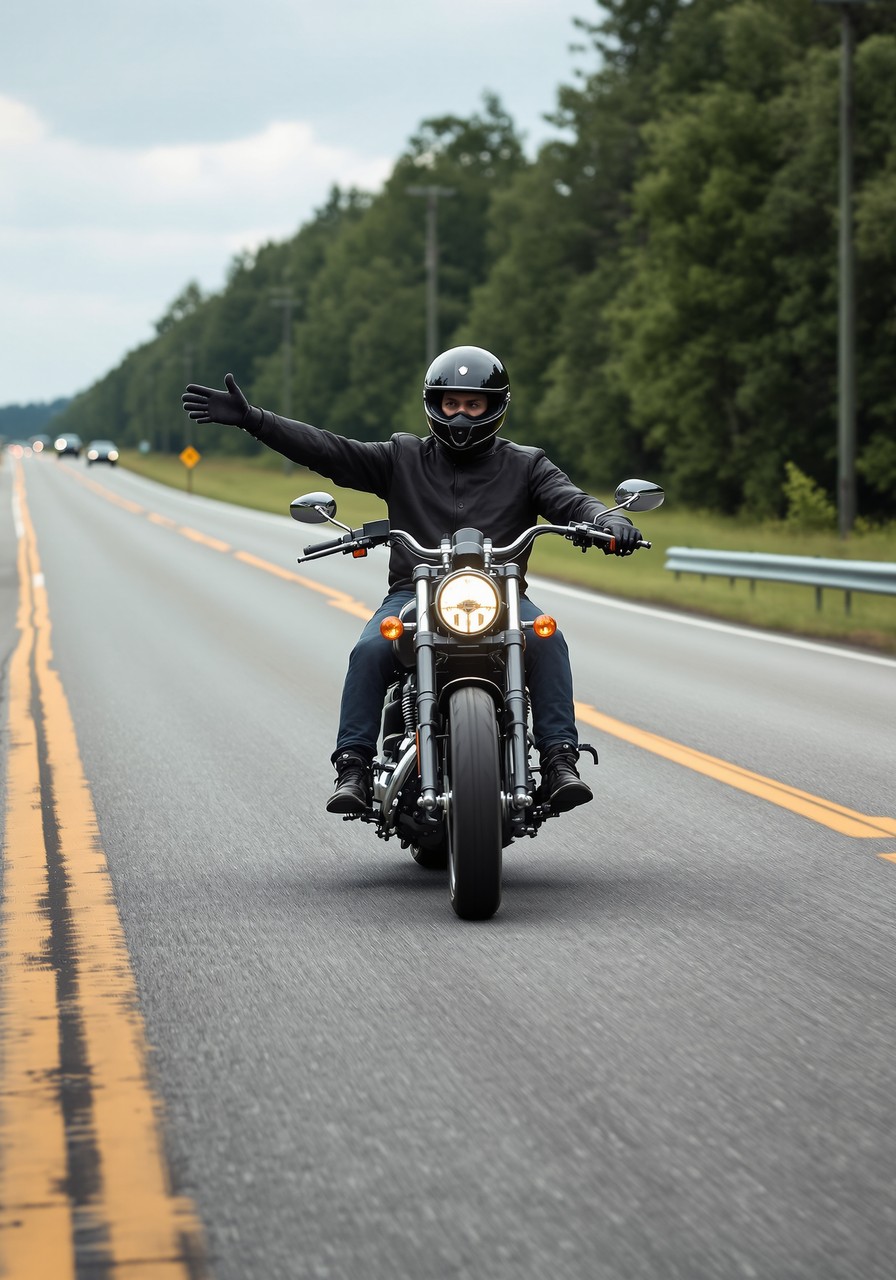
Hit by a driver who says he never saw you? That is not your fault, but the insurer may argue it is. Protect yourself and call Hardison and Cochran at (919) 444-4444. #RideNationNC #RiderRights #MotorcycleSafety
Engagement
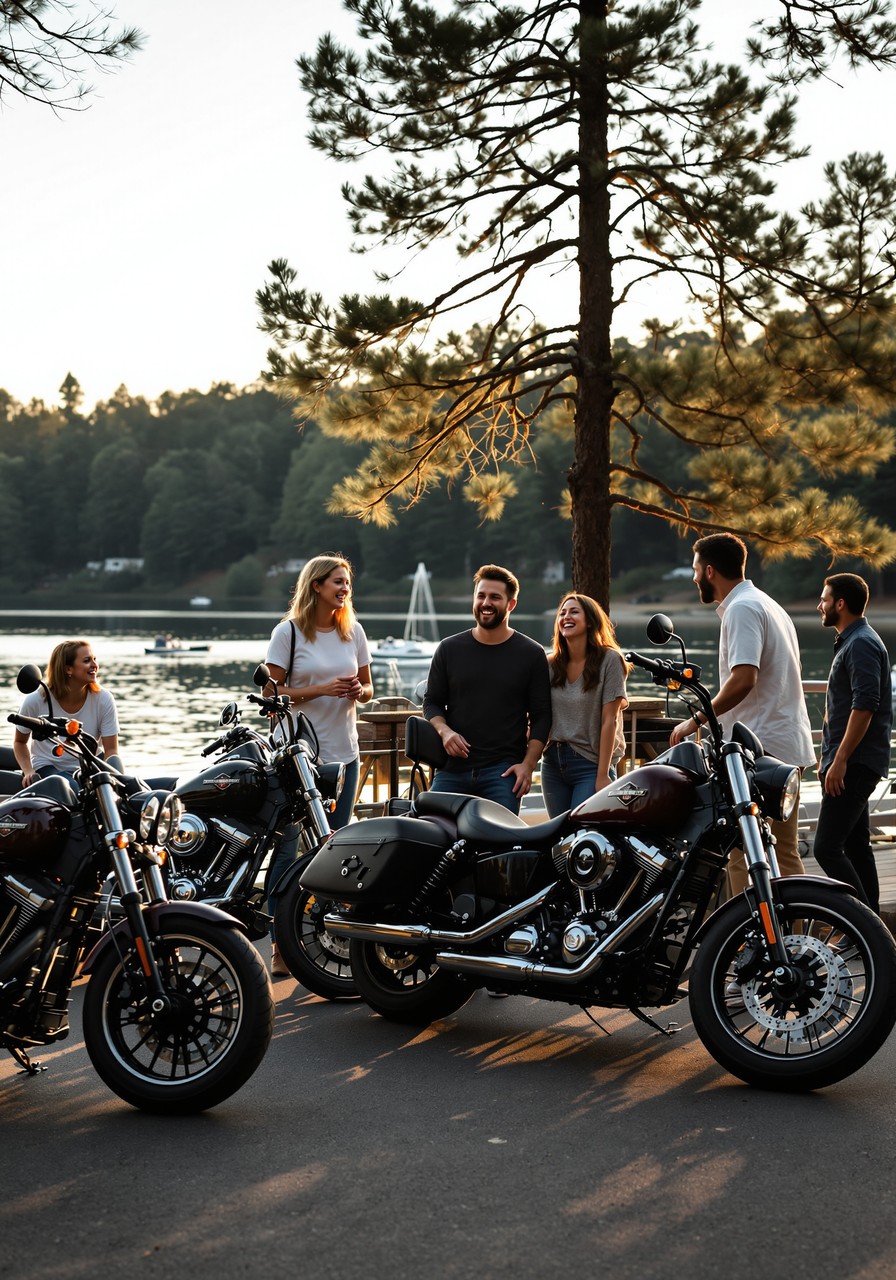
Finish the sentence: I know spring is close when ______. #RideNationNC #CarolinaRiders #RaleighRiders
Giveaway & Countdown
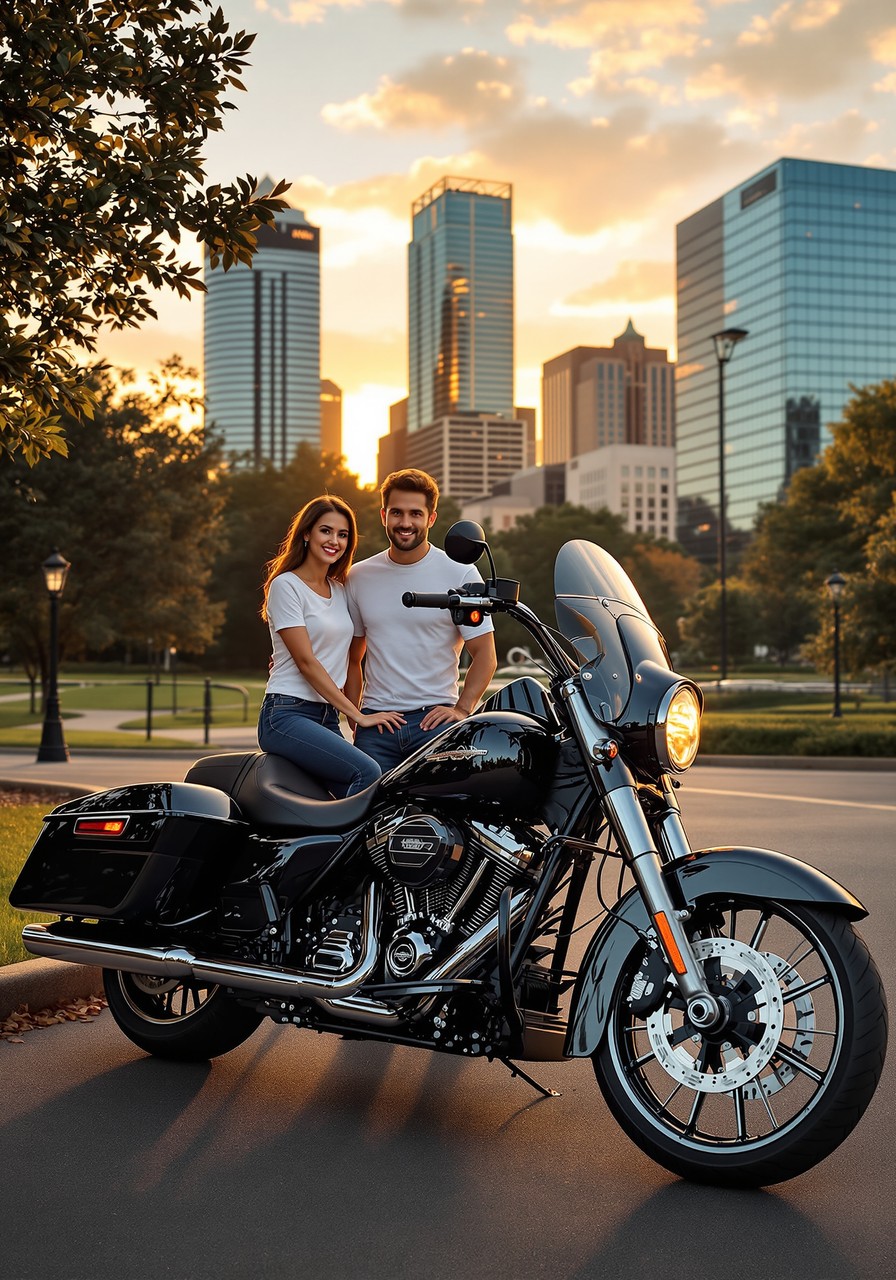
The clock is ticking on the BikersWin $20,000 giveaway. Lock in your free entry today by calling (919) 444-4444. #RideNationNC #BikersWin #20kGiveaway
Local NC & Rides
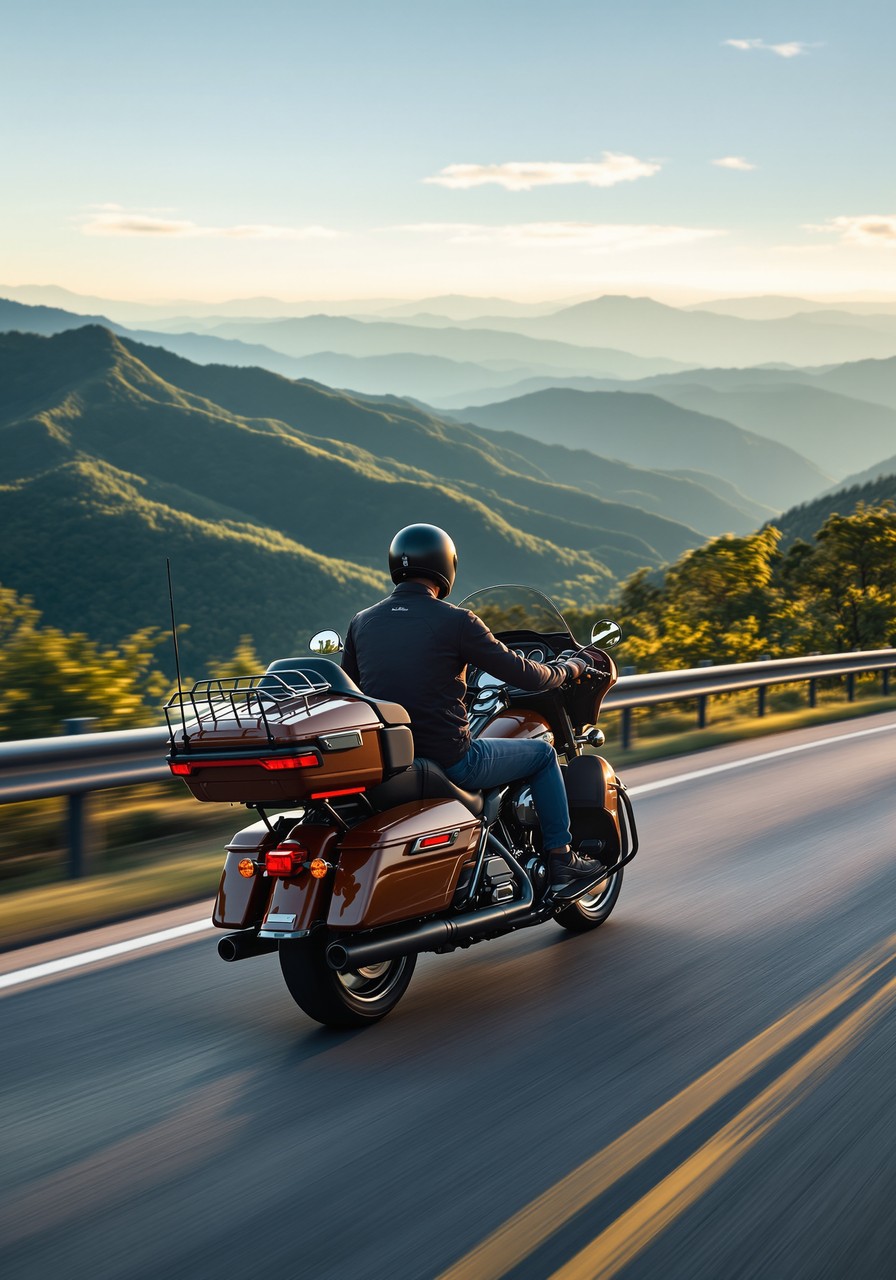
Cold-morning reminder: the I-440 Beltline bridge decks ice over before the surface streets do. Give them room and roll on smooth. #RideNationNC #RaleighRiders
Gear & New Iron
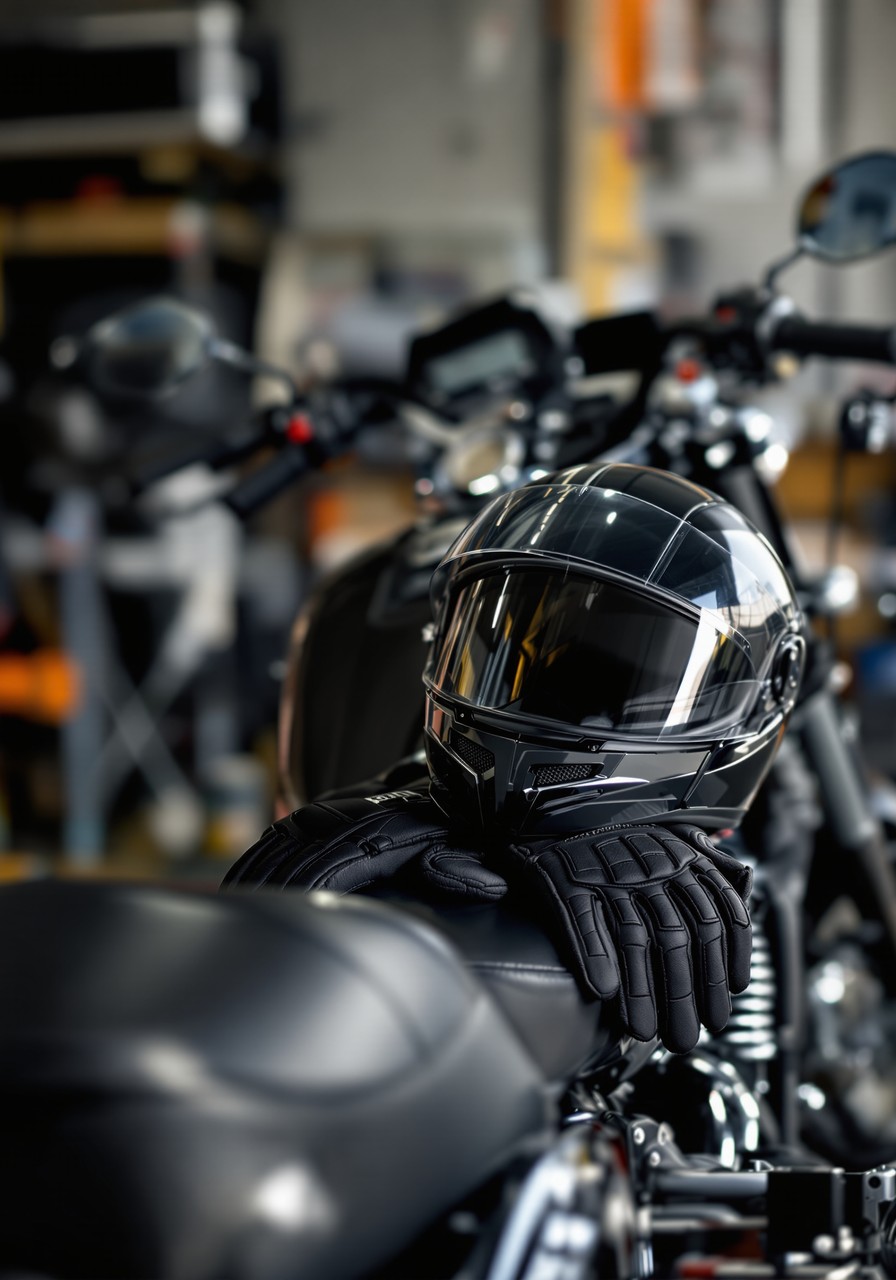
A good base layer is the quiet MVP. Merino or synthetic wicks sweat on humid mornings and holds warmth when the temp swings 25 degrees by noon. #RideNationNC #ColdWeatherRiding #GearUp
Safety & NC Law
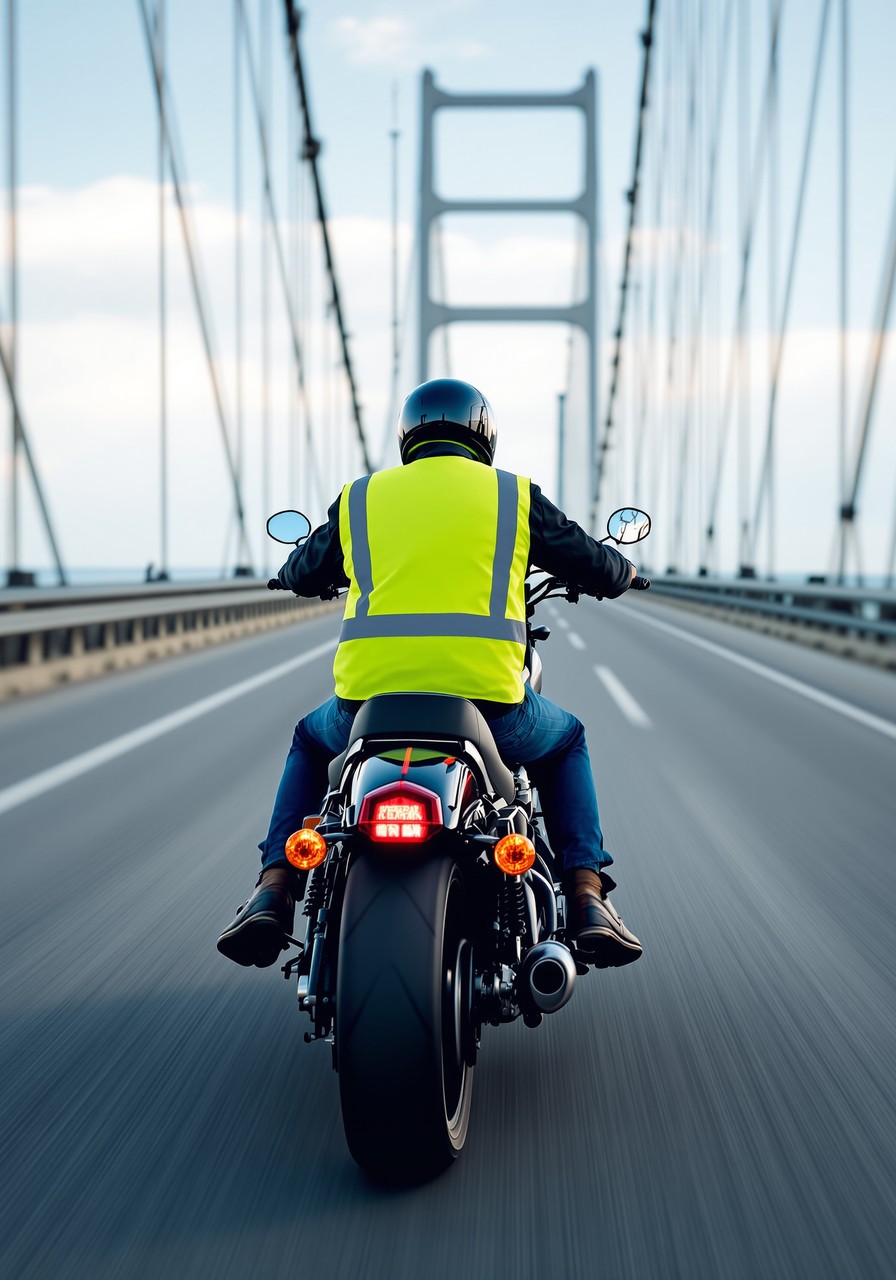
A helmet cam or a nearby traffic cam can decide who is believed after a wreck. Save the footage and call Hardison and Cochran at (919) 444-4444. #RideNationNC #MotorcycleSafety #RiderRights
Engagement
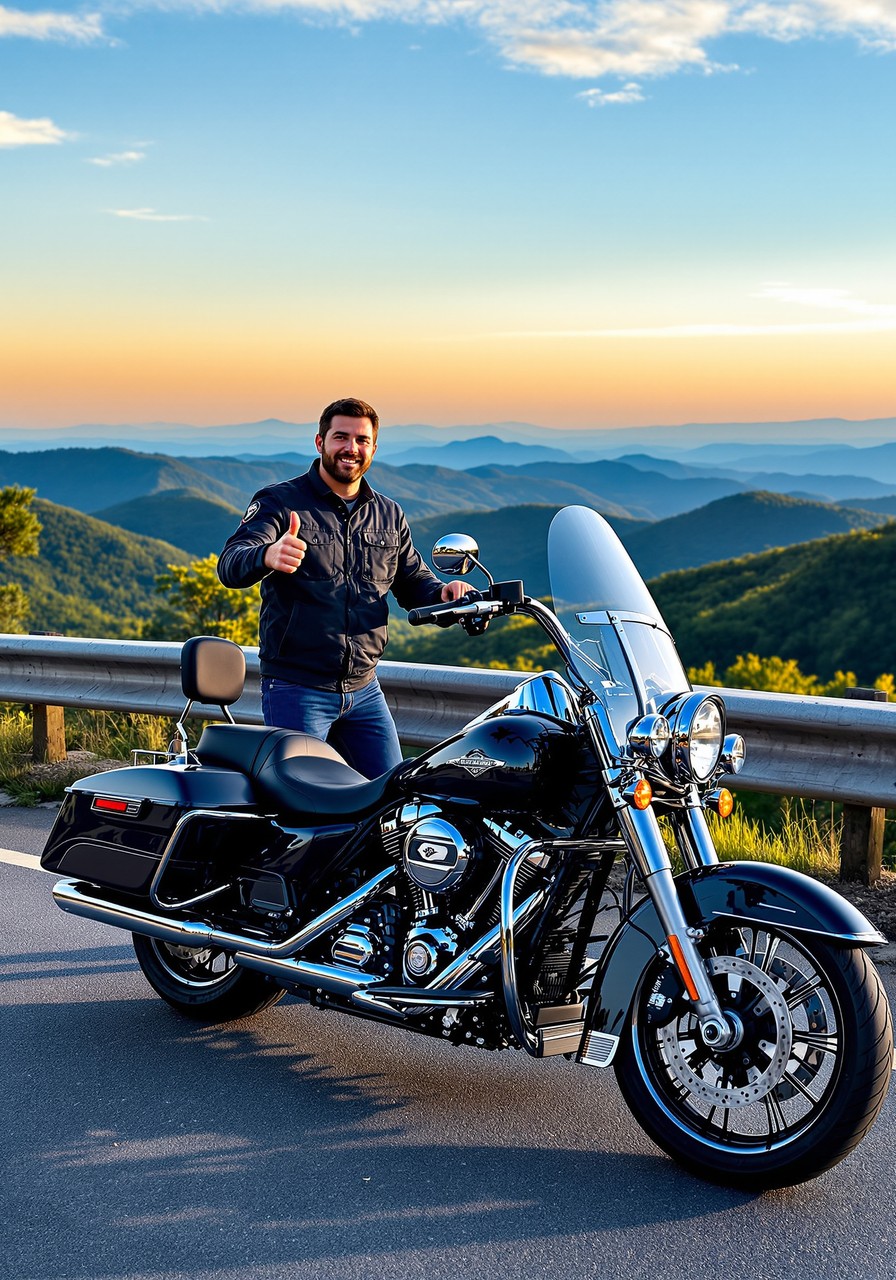
Favorite Triangle backroad that most people have never ridden? Keep it a little secret if you must, or spill it. #RideNationNC #TheTriangle #TwoWheels
Giveaway & Countdown
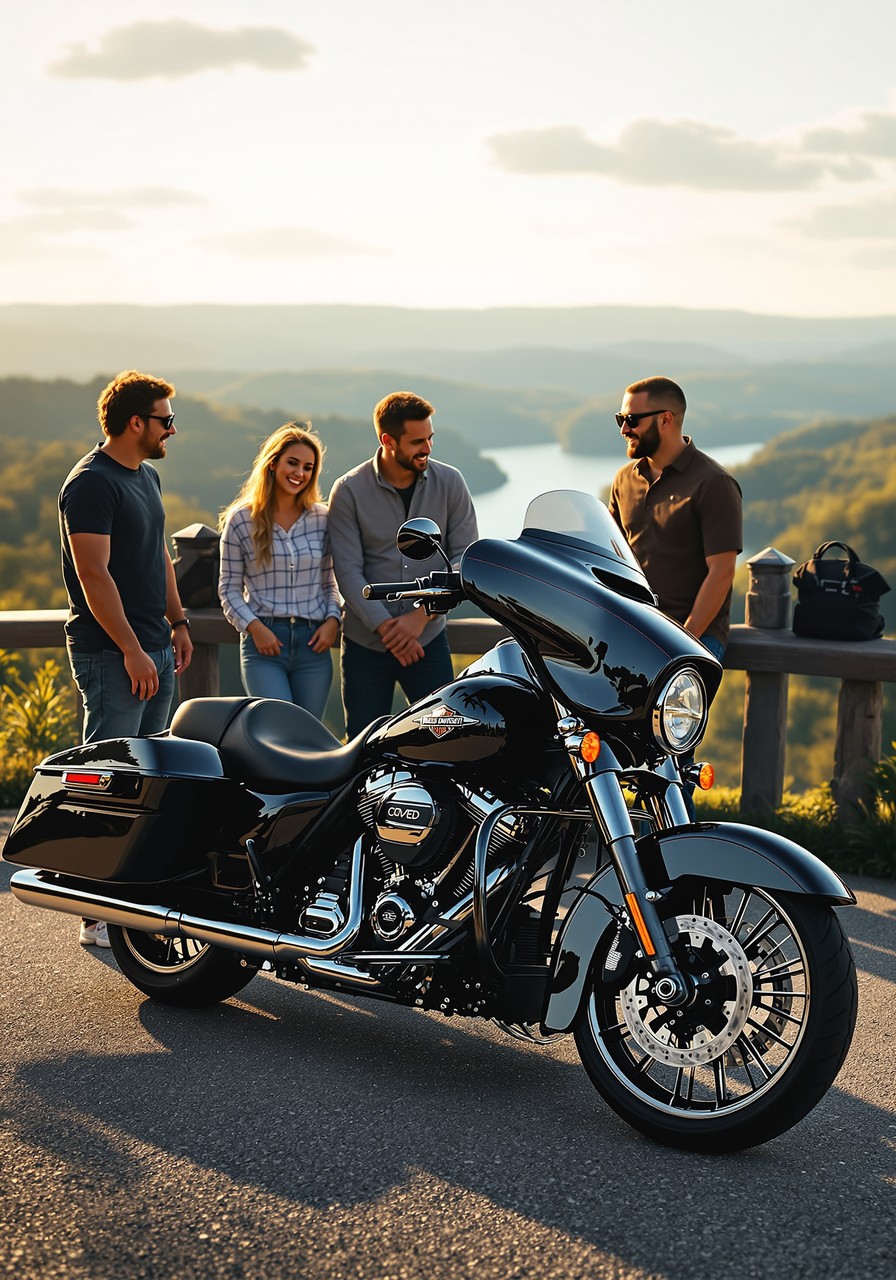
Riders across the Triangle are already in. Add your name, free, by talking to us about your crash. Call (919) 444-4444. #RideNationNC #RaleighRiders #TheTriangle
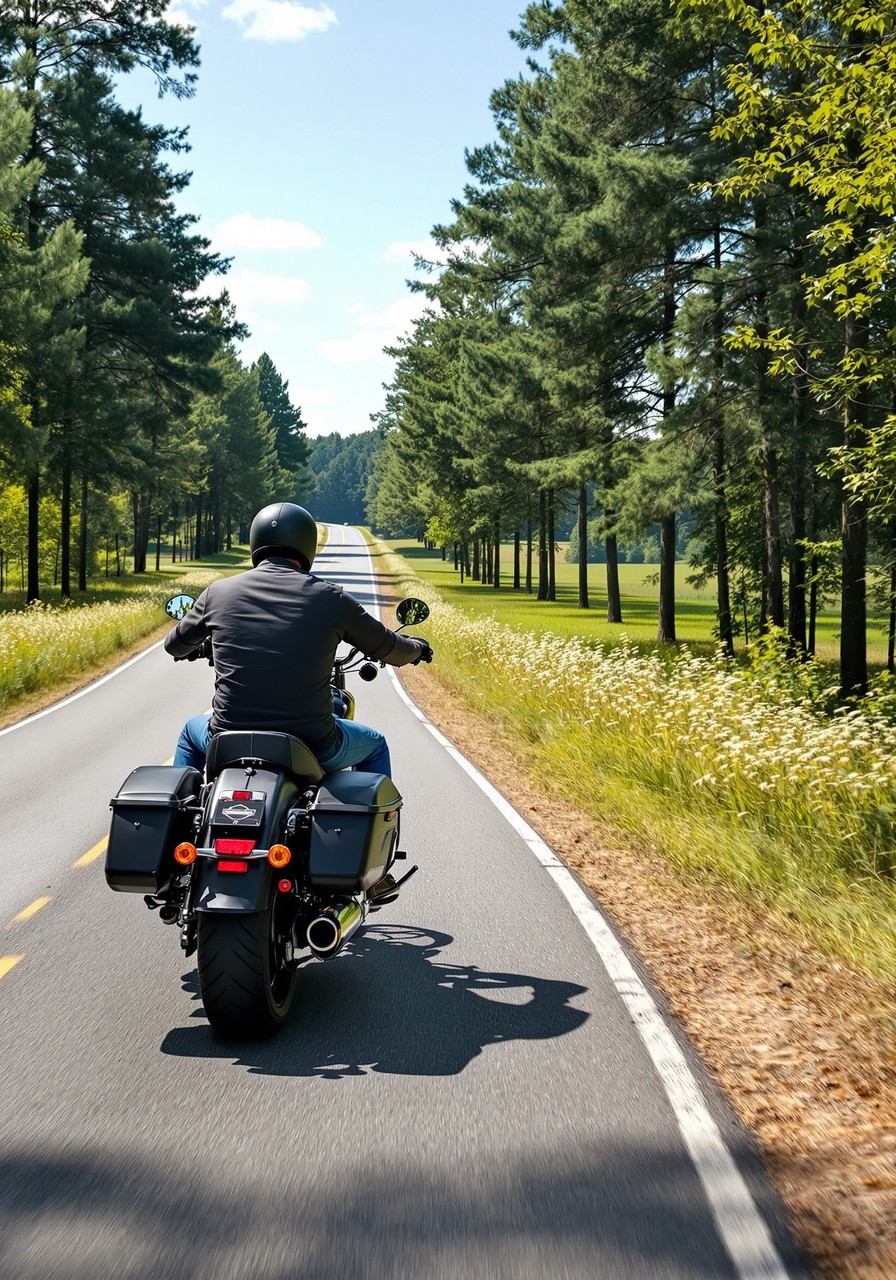
Local NC & Rides
I-540 moves you around the north side fast, but the wind across those open overpasses will push you on a gusty winter day. Grip loose, stay ready. #RideNationNC #RaleighRiders #NorthCarolinaRiders
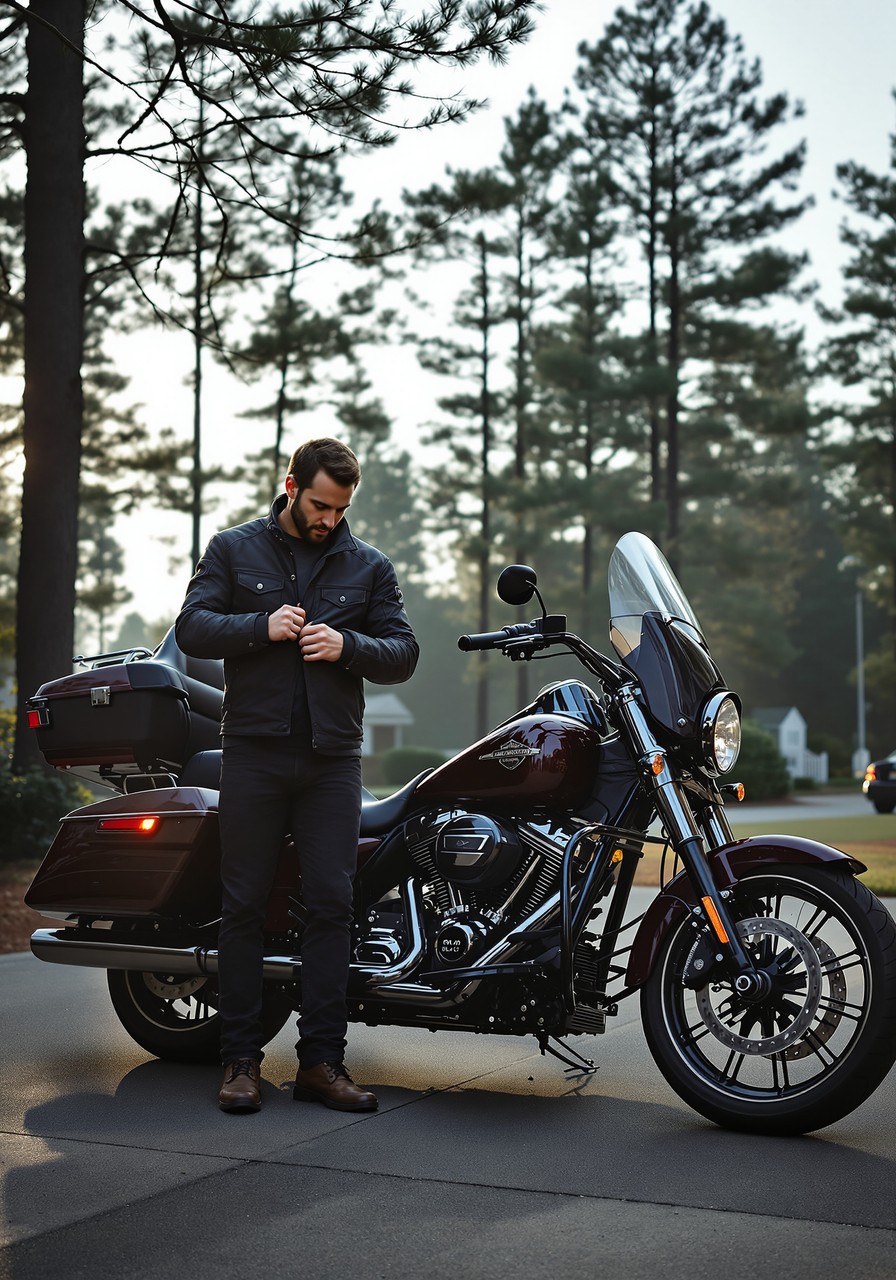
Gear & New Iron
Ventilated gear is not just comfort in NC summer heat, it keeps you sharp. Overheating dulls your focus fast. Airflow through the jacket keeps your head in the ride. #RideNationNC #GearUp #RiderTips
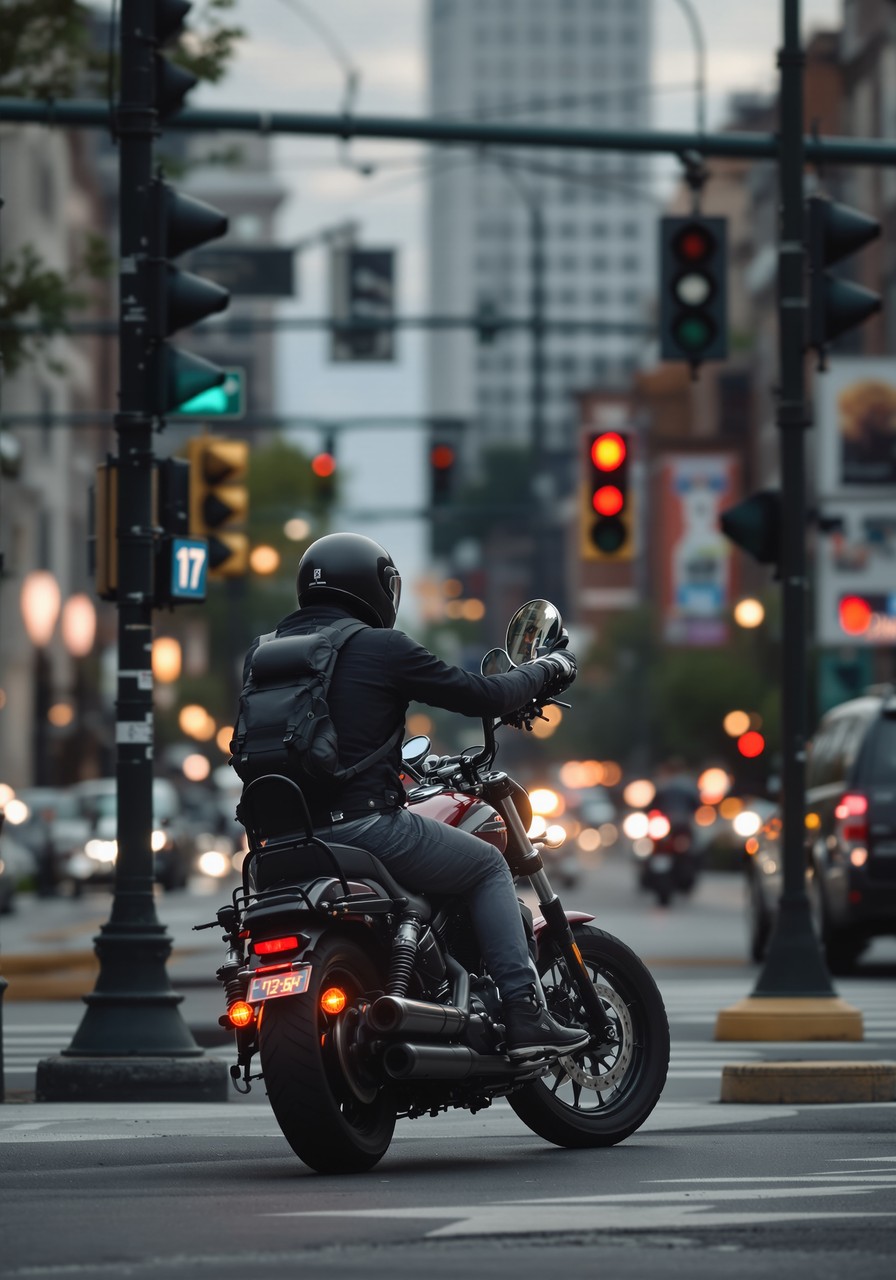
Safety & NC Law
Down on a Triangle road? Get medical care first, then names, photos, and witness numbers. When you are ready, call Hardison and Cochran at (919) 444-4444. #RideNationNC #RaleighRiders #TheTriangle
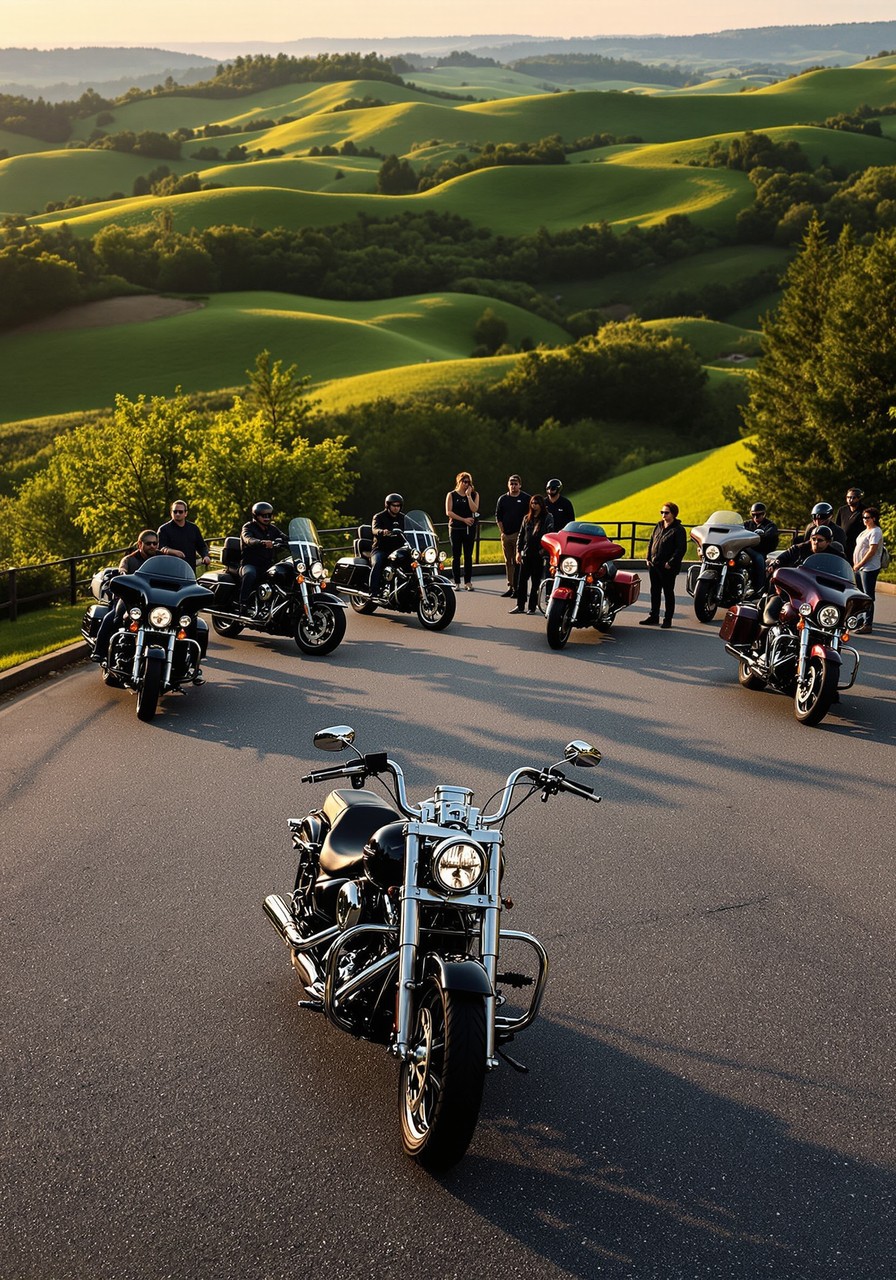
Engagement
Caption this: 48 degrees, blue sky, and you already know what you are doing today. #RideNationNC #NorthCarolinaRiders #CarolinaRiders
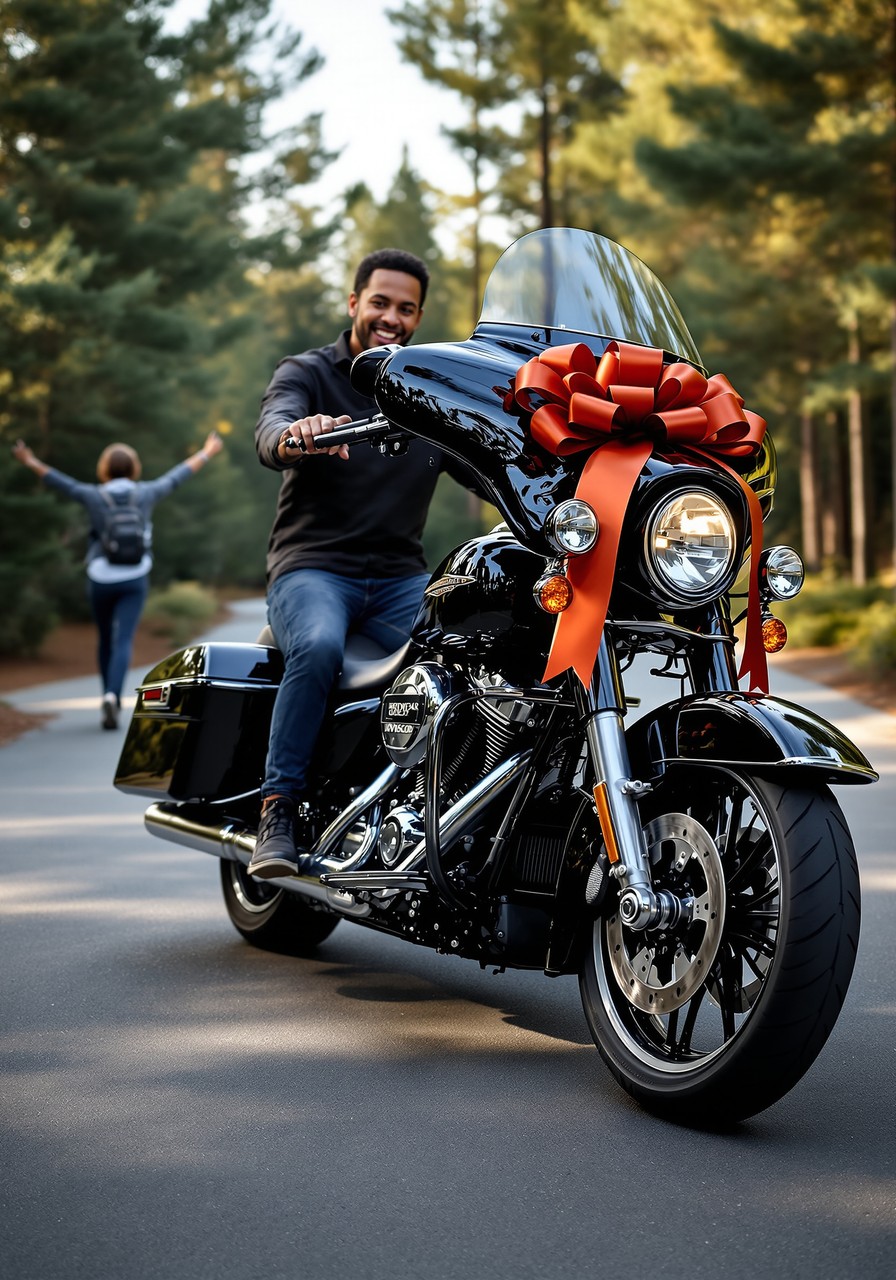
Giveaway & Countdown
A free case review is more than answers, it is your entry into the $20K giveaway. Hardison & Cochran, (919) 444-4444. #RideNationNC #MotorcycleGiveaway #NorthCarolinaRiders
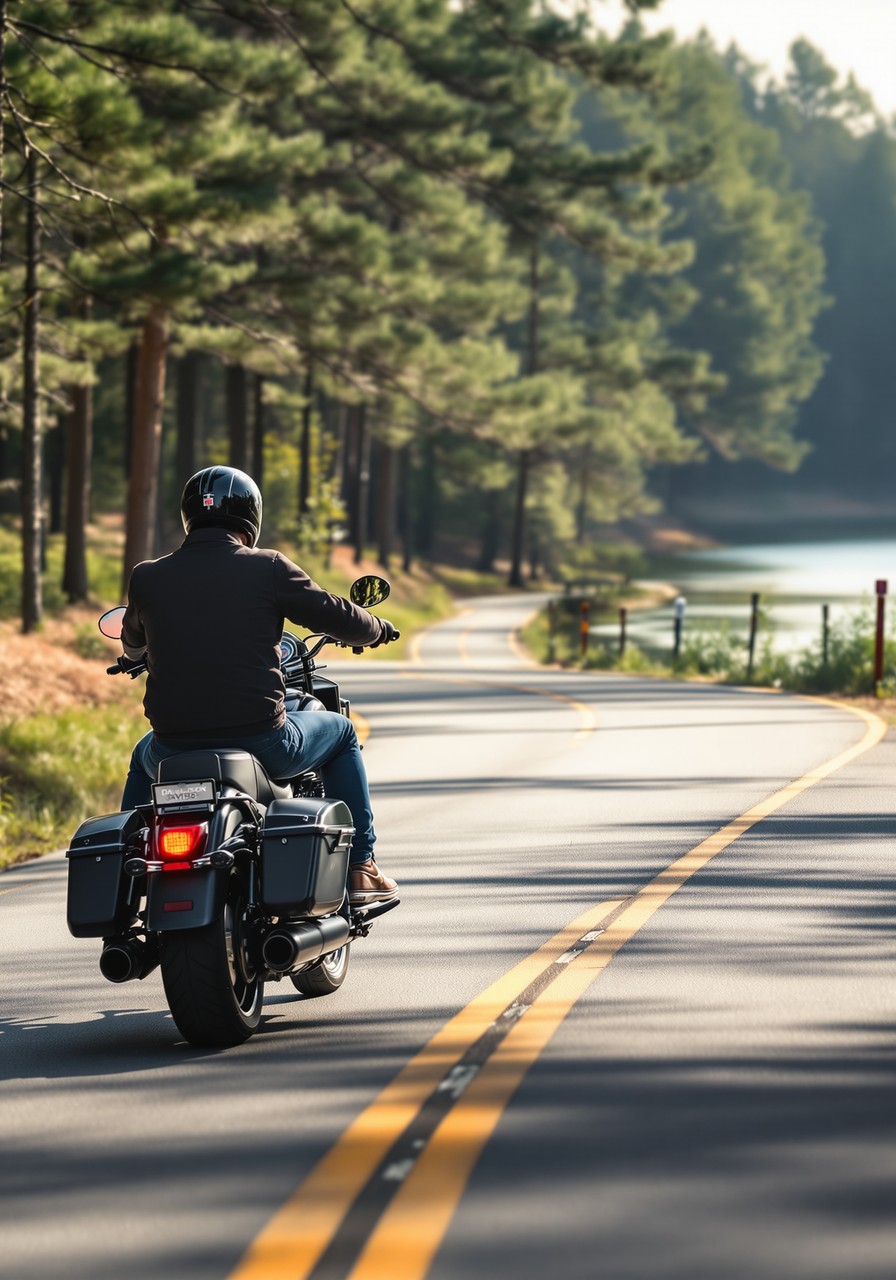
Local NC & Rides
Follow the Haw River down to Saxapahaw and you get curves, a river, and a good excuse to stop. One of the Triangle's best short escapes. #RideNationNC #TheTriangle #MotorcycleRoads
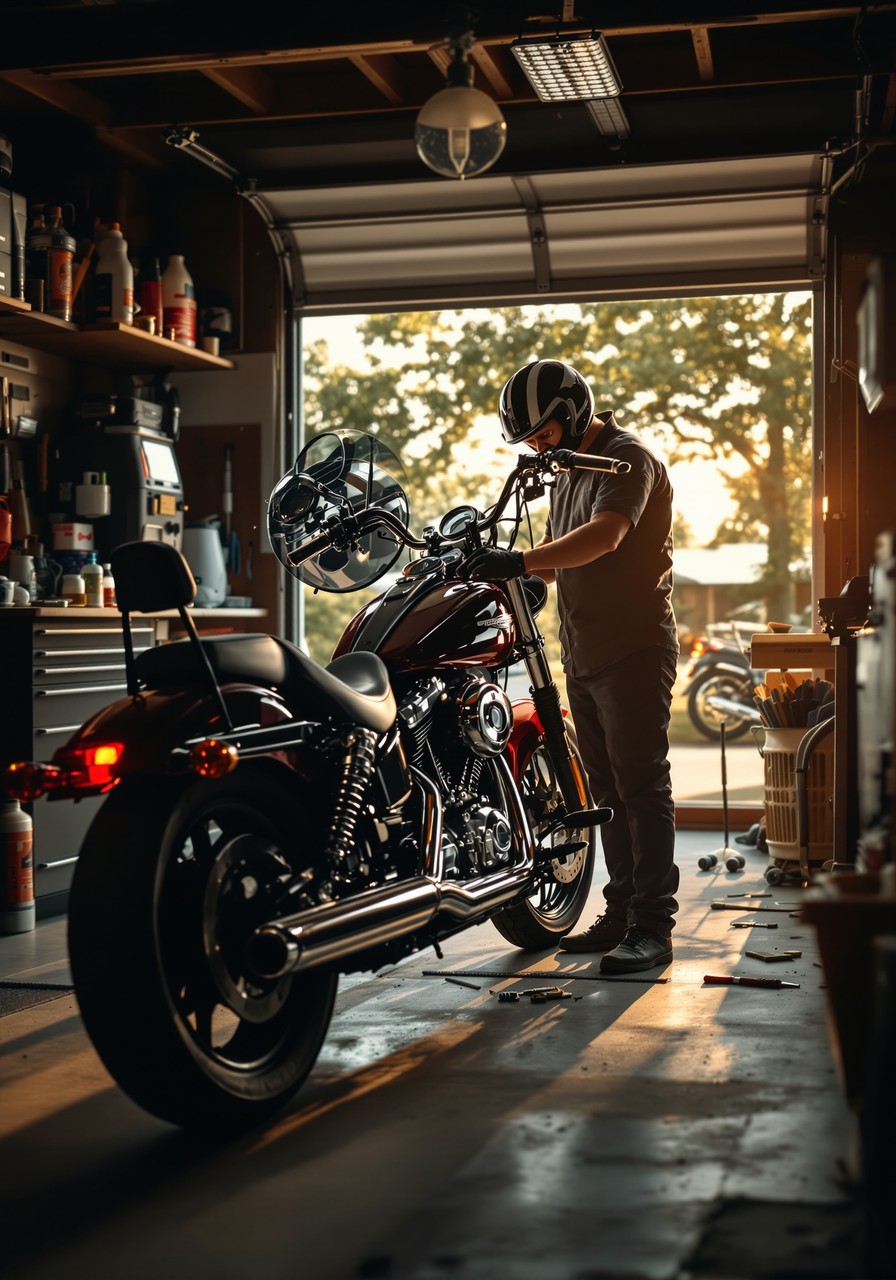
Gear & New Iron
Hi-viz is not a fashion statement, it is a survival tool. Raleigh traffic does not expect you. A bright shell or vest buys you an extra half second of being seen. #RideNationNC #GearUp #ATGATT
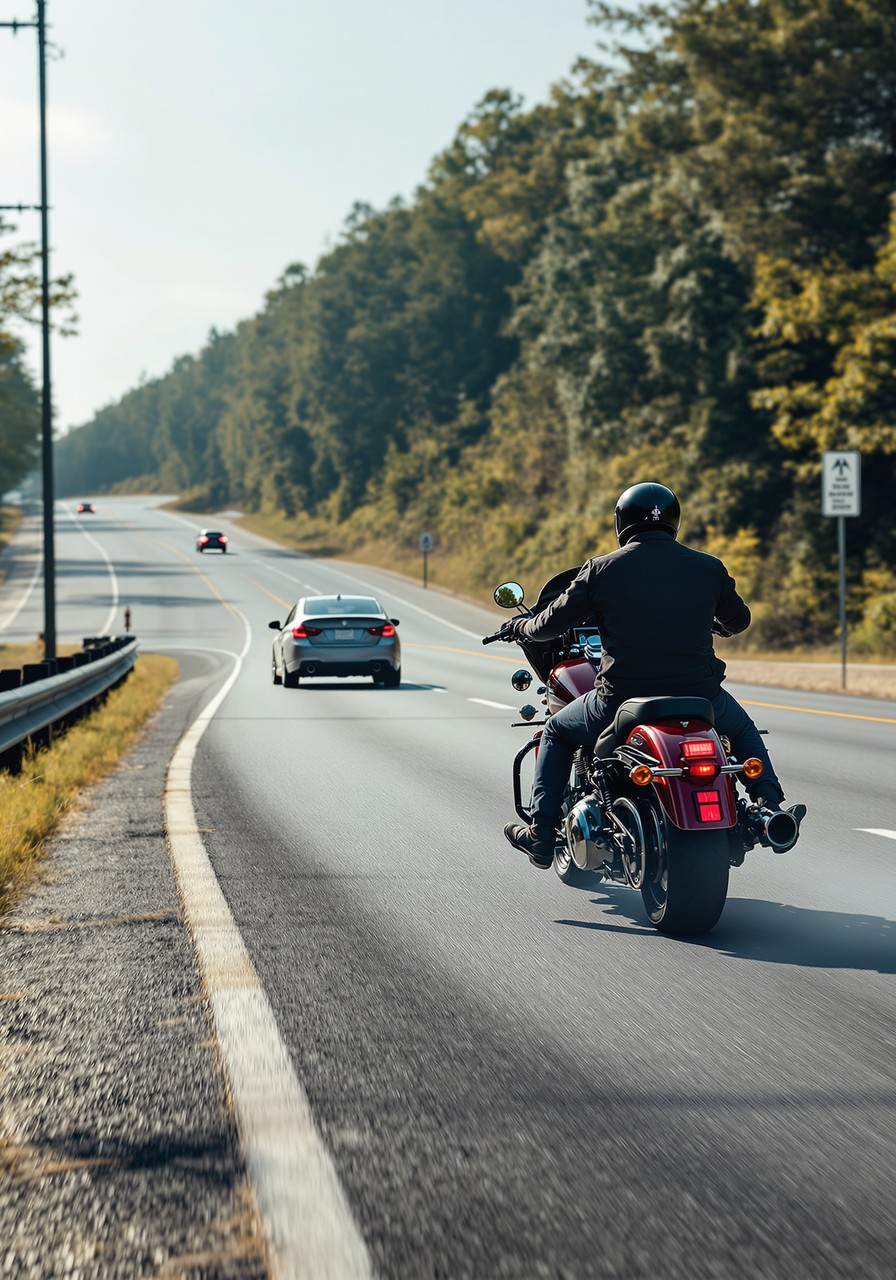
Safety & NC Law
Winter black ice loves the bridge decks around the Triangle. If a slick deck and another driver put you down, call Hardison and Cochran at (919) 444-4444. #RideNationNC #MotorcycleSafety #TheTriangle
Engagement
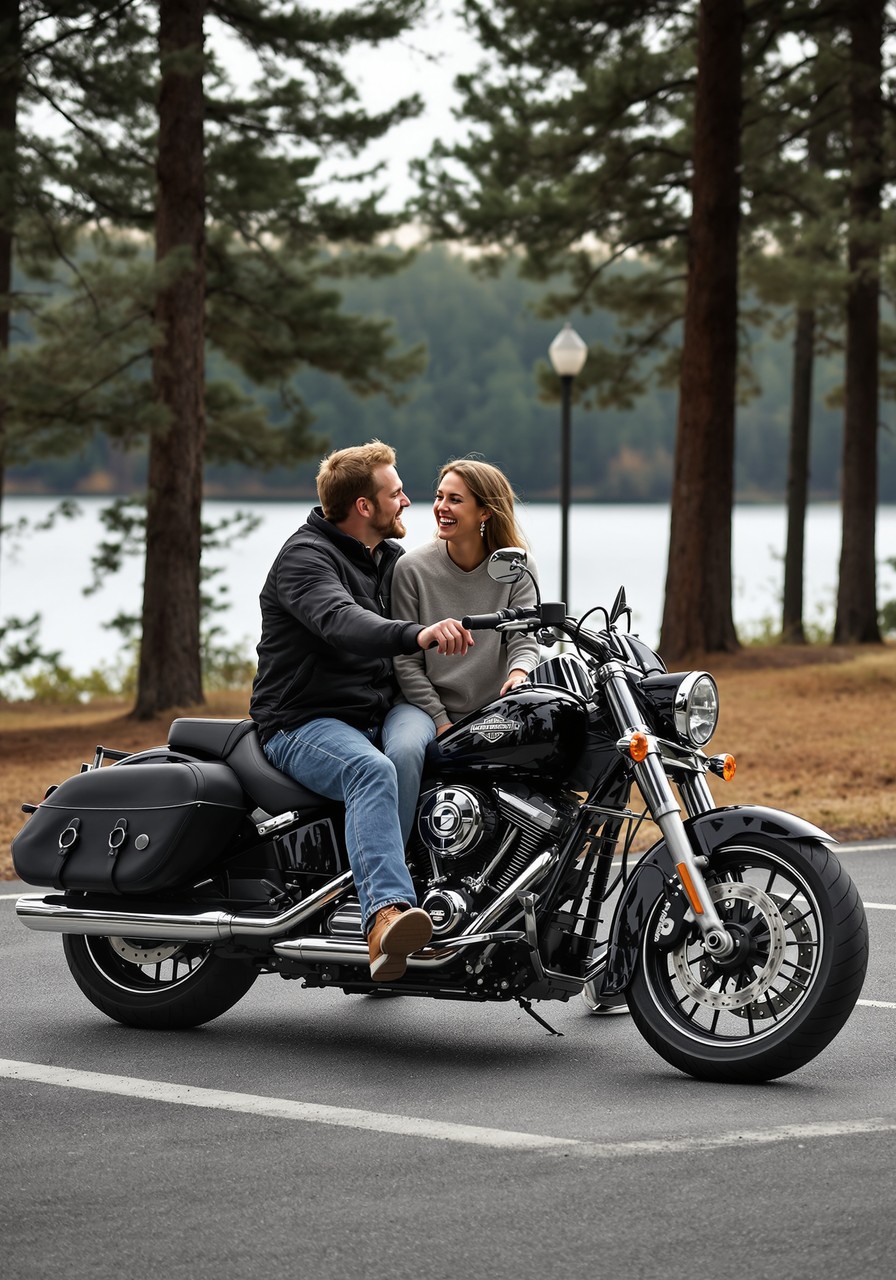
Poll: garage season projects. Are you the fresh-tires type or the new-farkles type? Vote below. #RideNationNC #TwoWheels #RaleighRiders
Giveaway & Countdown
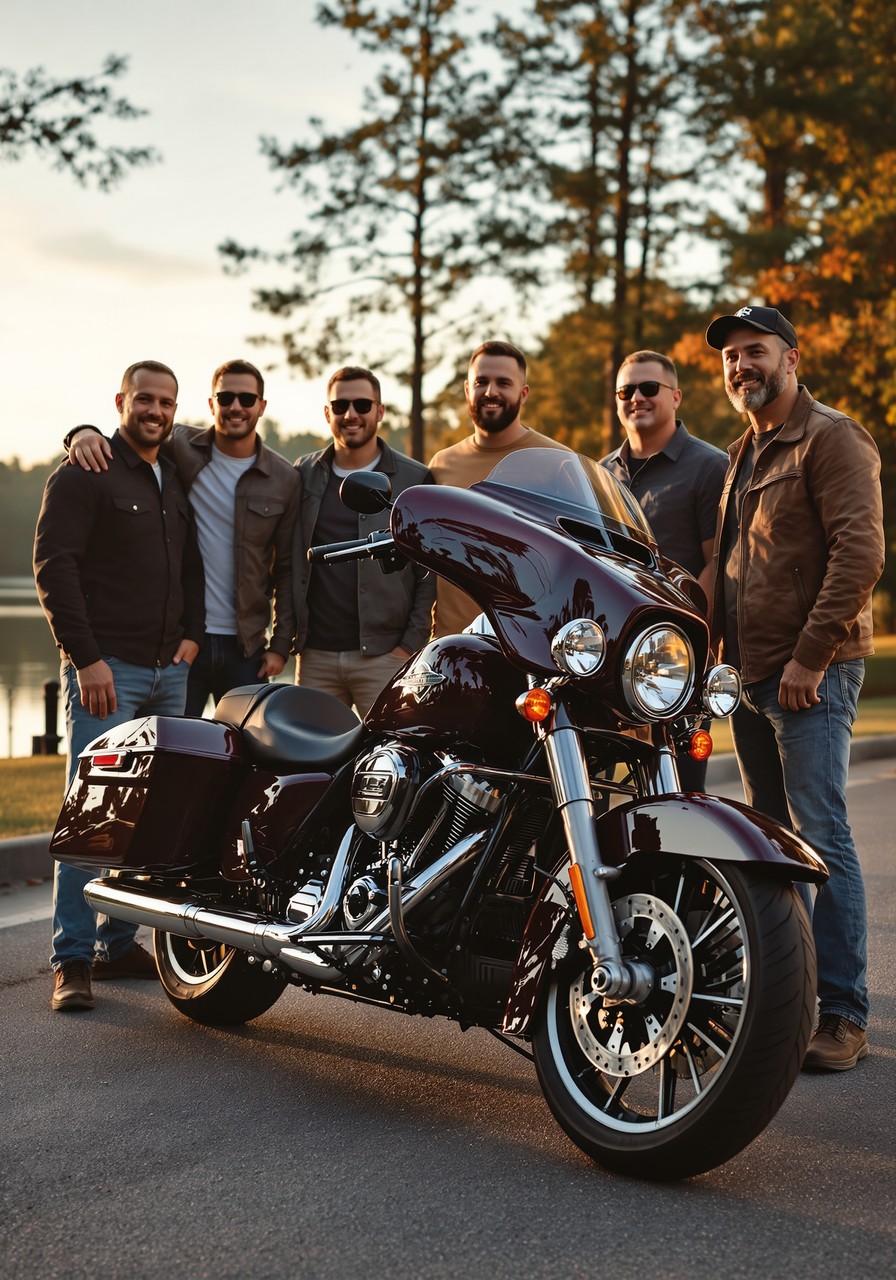
Spread the word and get yourself in too. Talk to us about your motorcycle claim, free, and you are entered. (919) 444-4444. #RideNationNC #BikersWin #20kGiveaway
Local NC & Rides
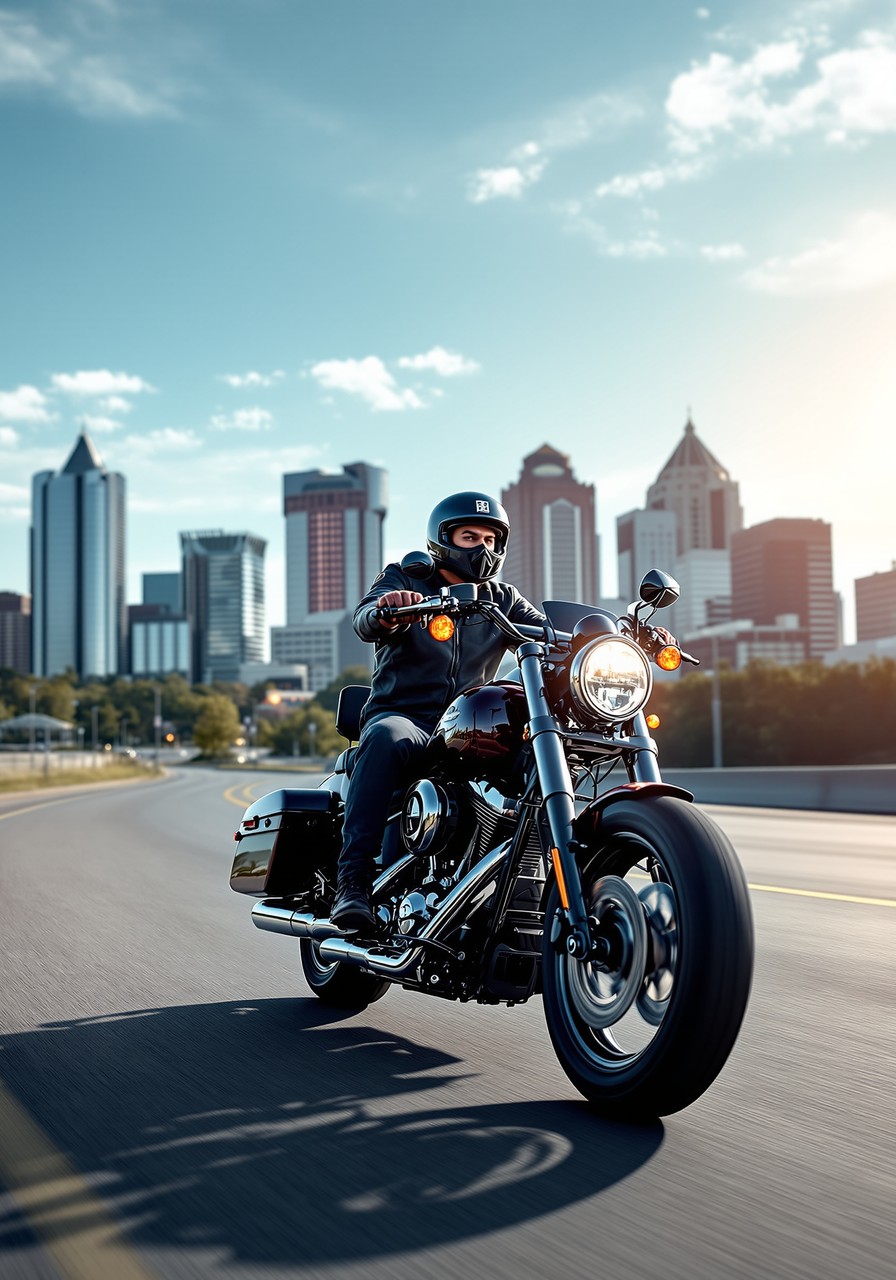
Pittsboro and the Chatham County backroads are quiet, twisty, and close. Just know gravel drifts onto the outside of those blind curves. #RideNationNC #CarolinaRiders #MotorcycleRoads
Gear & New Iron
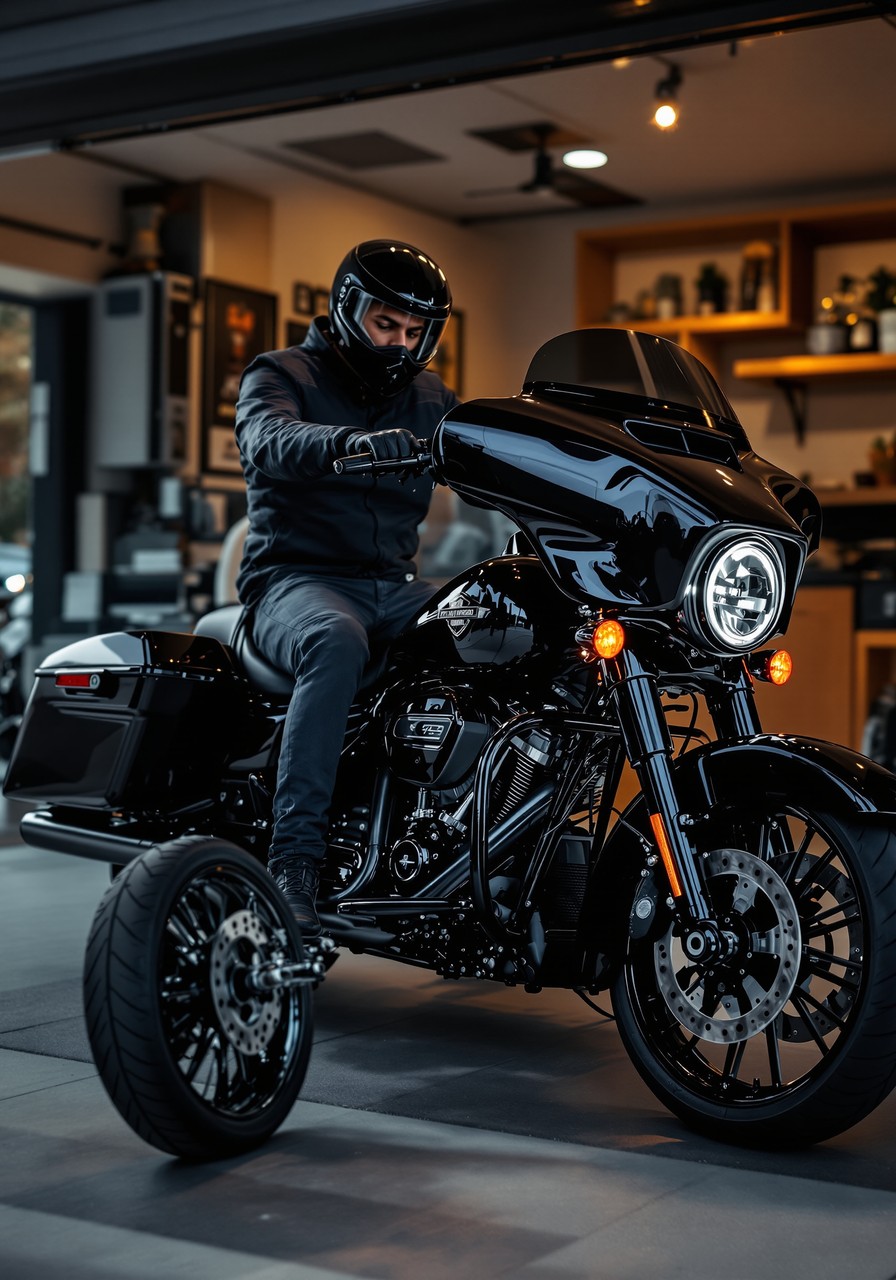
ATGATT every single ride, even the short hop for gas. The parking lot run is where a lot of riders get bit. Gear up like the crash is coming, not like it isn't. #RideNationNC #ATGATT #RiderTips
Safety & NC Law
Carrying a passenger who got hurt in your wreck? They may have their own claim to make. Talk it through with Hardison and Cochran at (919) 444-4444. #RideNationNC #RiderRights #NorthCarolinaRiders
Engagement
Two words to describe your first ride of the new year. Go. #RideNationNC #CarolinaRiders #RideOrDie
Giveaway & Countdown
Twenty thousand dollars. One free conversation. That is all it takes to enter. Call (919) 444-4444 today. #RideNationNC #MotorcycleGiveaway #RaleighRiders
Local NC & Rides
The Uwharrie National Forest and NC-24/27 are the Triangle's quiet gem. Trees, elevation, and almost no traffic once you get out there. #RideNationNC #Uwharrie #MotorcycleRoads
Gear & New Iron
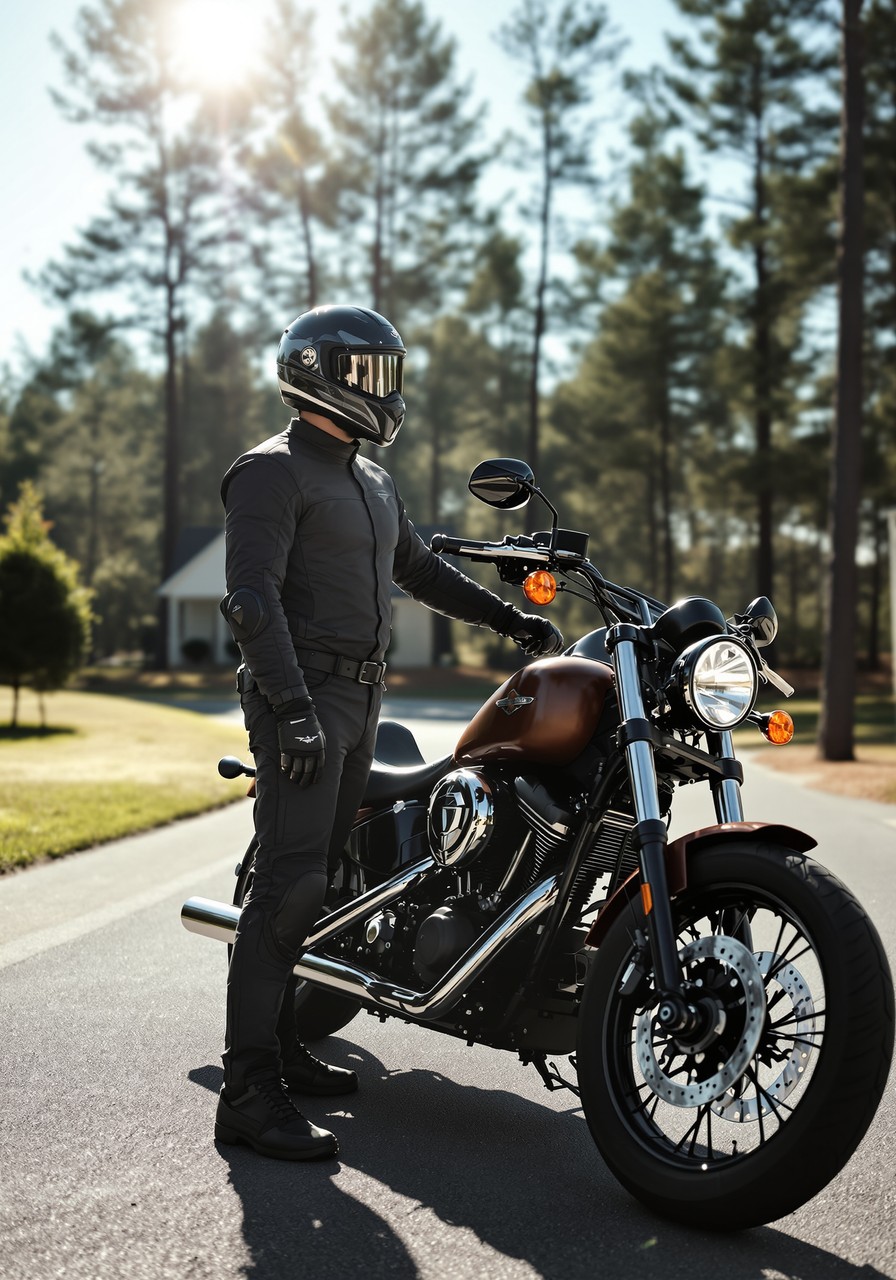
Boots over sneakers, always. Ankle support and a solid sole protect the joints you use to hold up 500 pounds of iron. Canvas shoes do nothing on the ground. #RideNationNC #GearUp #ATGATT
Safety & NC Law
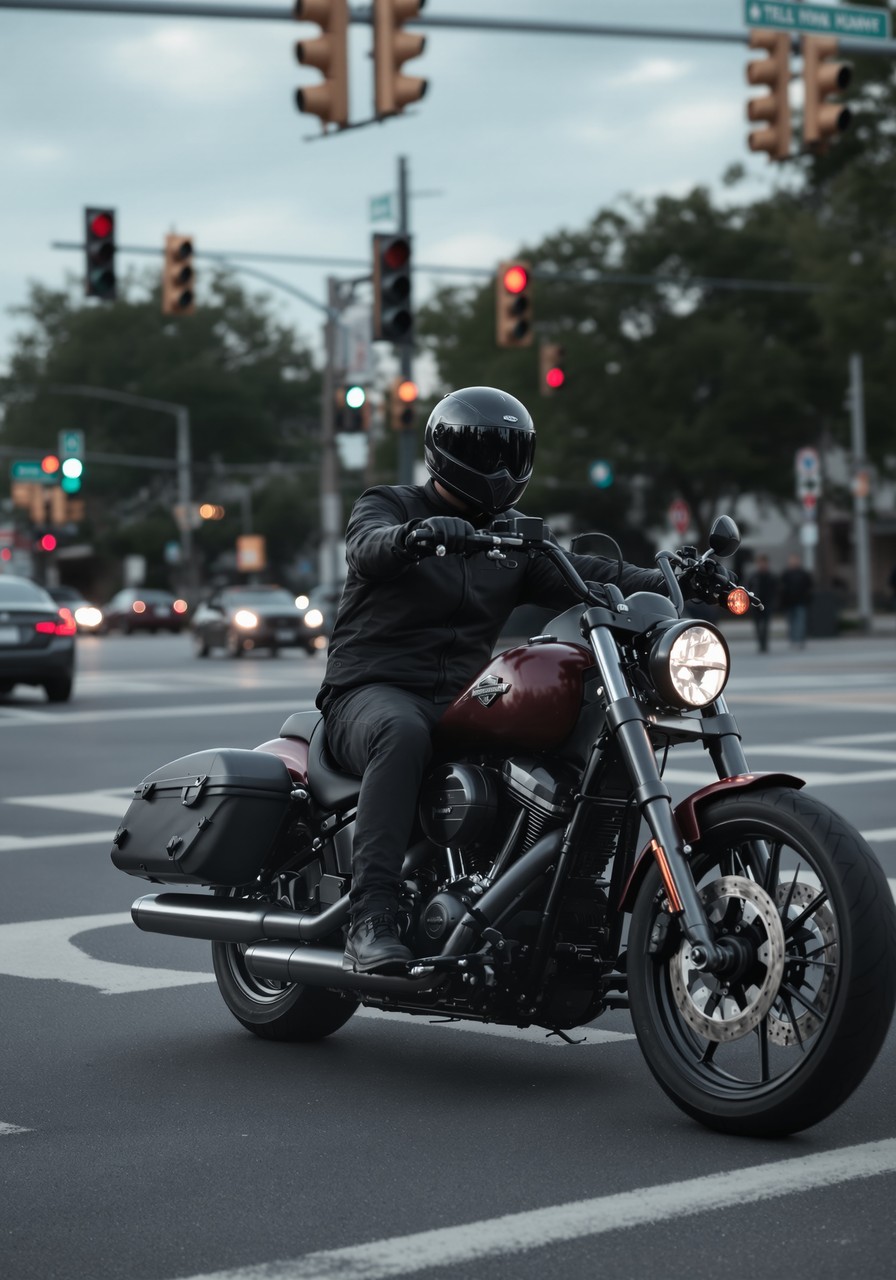
North Carolina has no required PIP, so your medical bills do not pay themselves after a crash. Know your options before you sign anything. Call Hardison and Cochran at (919) 444-4444. #RideNationNC #KnowYourRights #NorthCarolinaRiders
Engagement
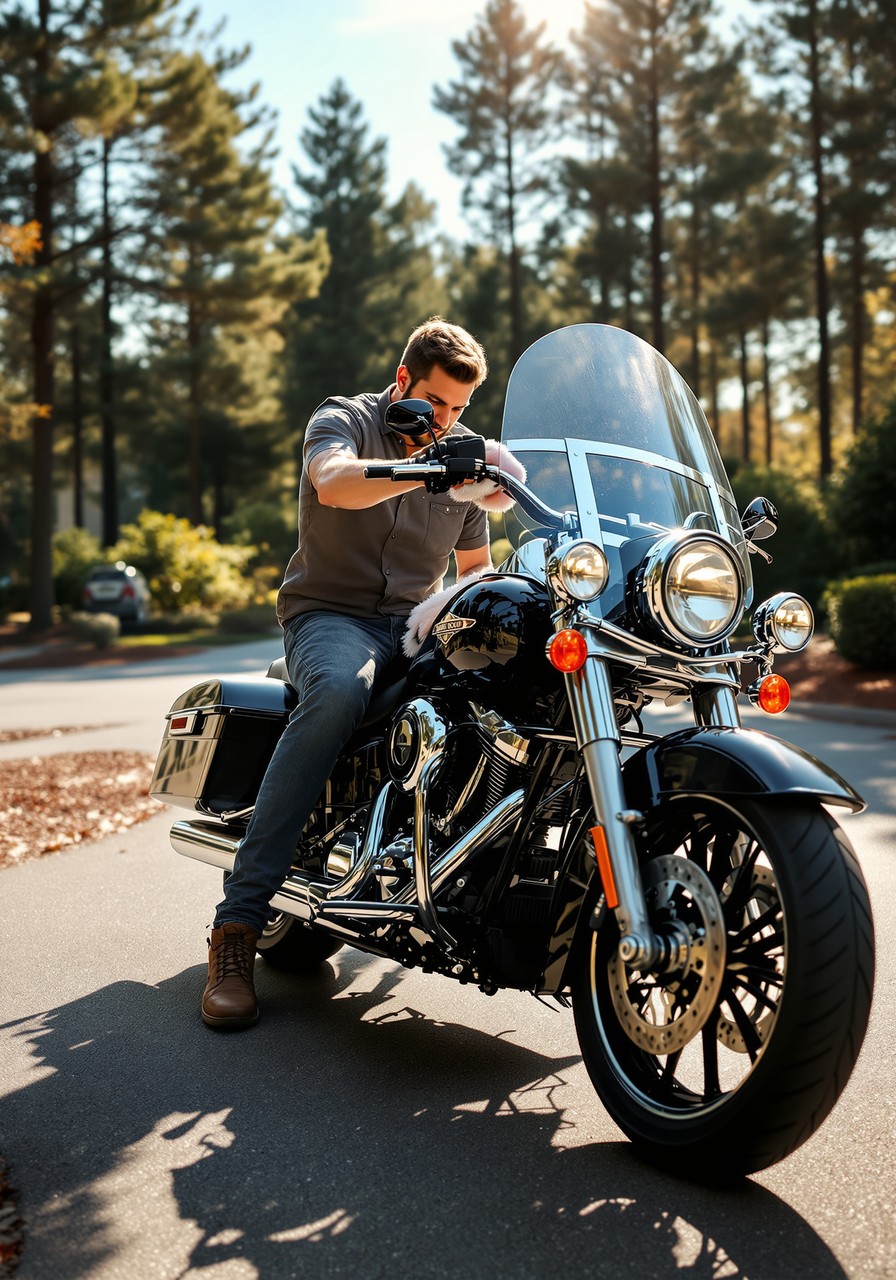
This or that: solo ride to clear your head or a full group run with the crew. Which one this week? #RideNationNC #RaleighRiders #TheTriangle
Giveaway & Countdown
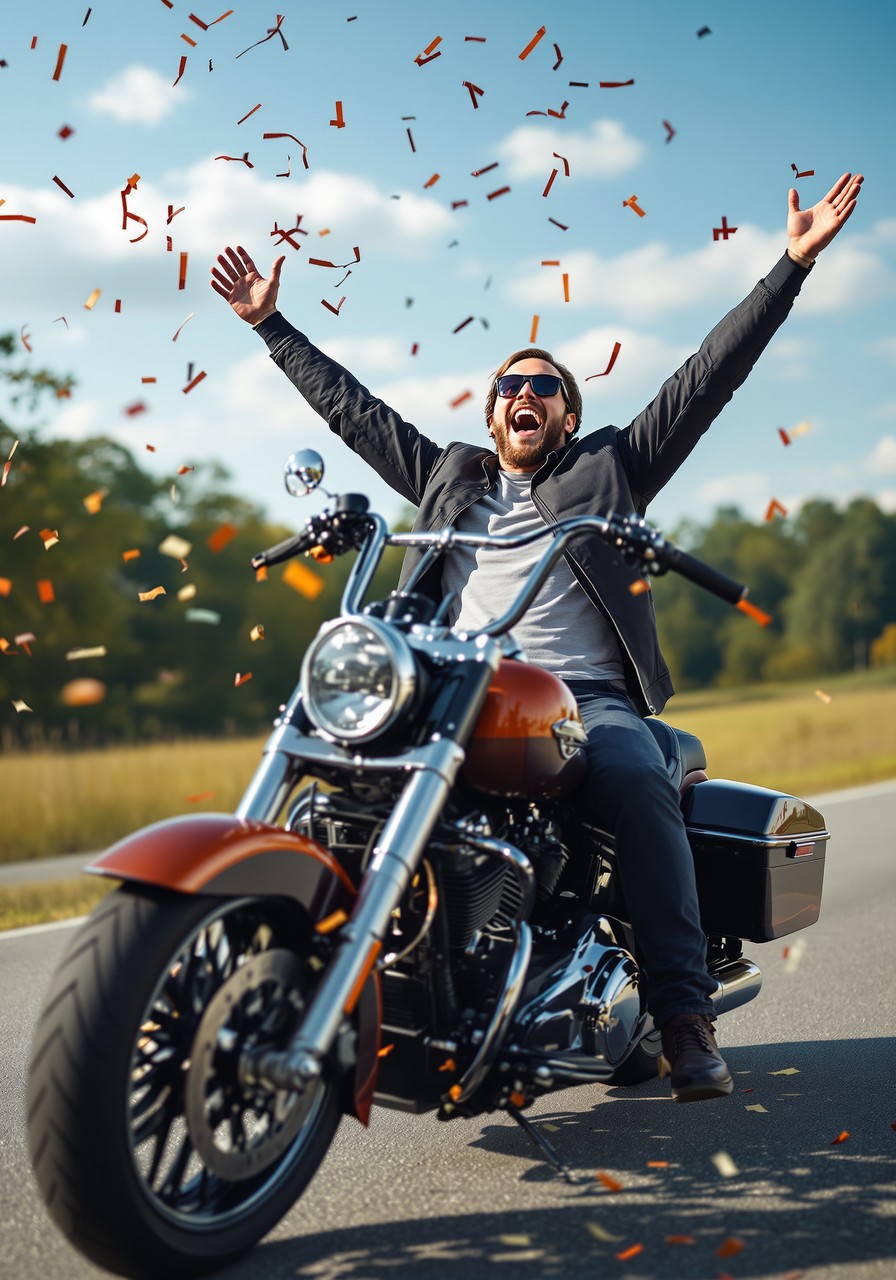
Hey Ride Nation, do not sleep on this. Your free crash consult is also your BikersWin entry. Ring (919) 444-4444. #RideNationNC #BikersWin #TheTriangle
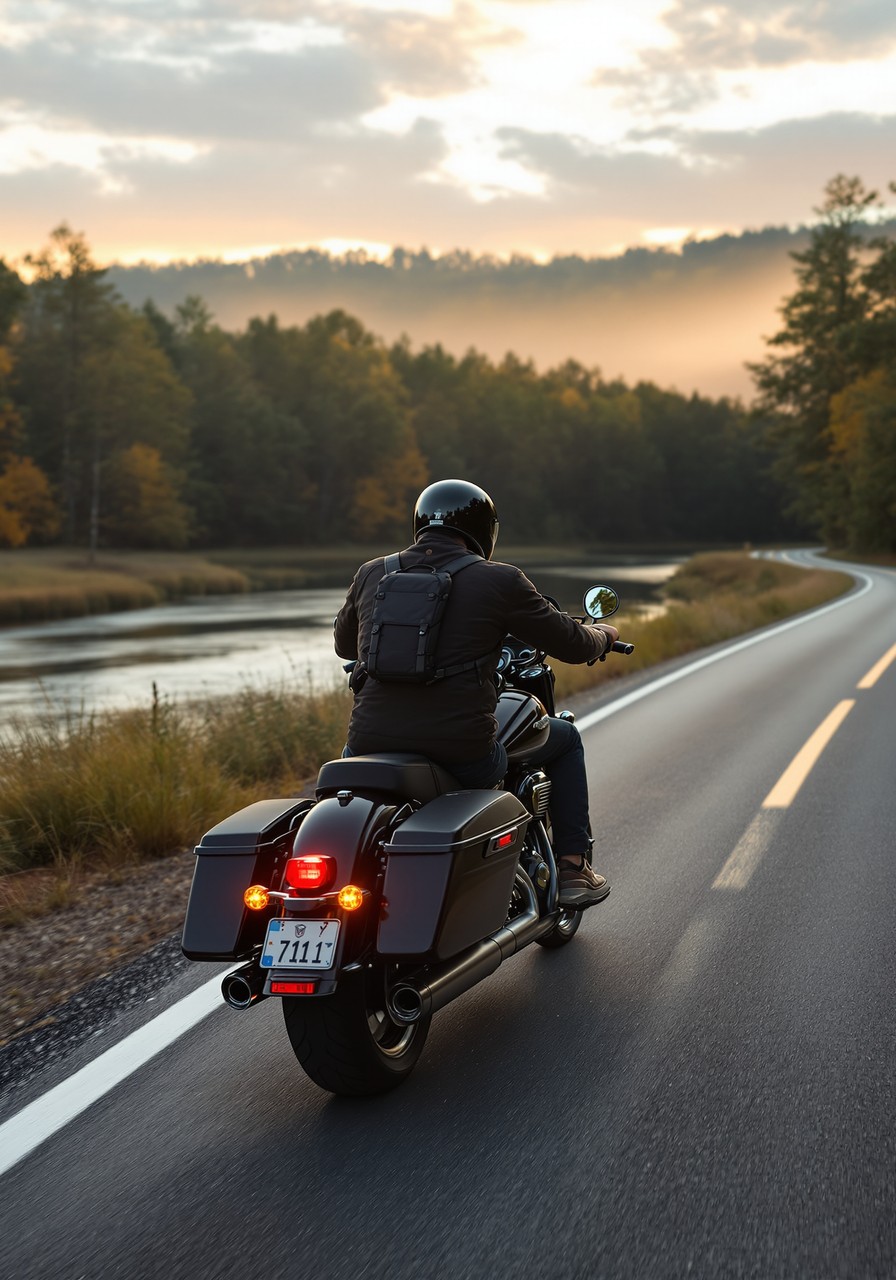
Local NC & Rides
US-421 out to Boone is the long-day mountain run when you want more than a lake loop. Plan for a cold top even when Raleigh is warm. #RideNationNC #NorthCarolinaRiders #BlueRidgeParkway
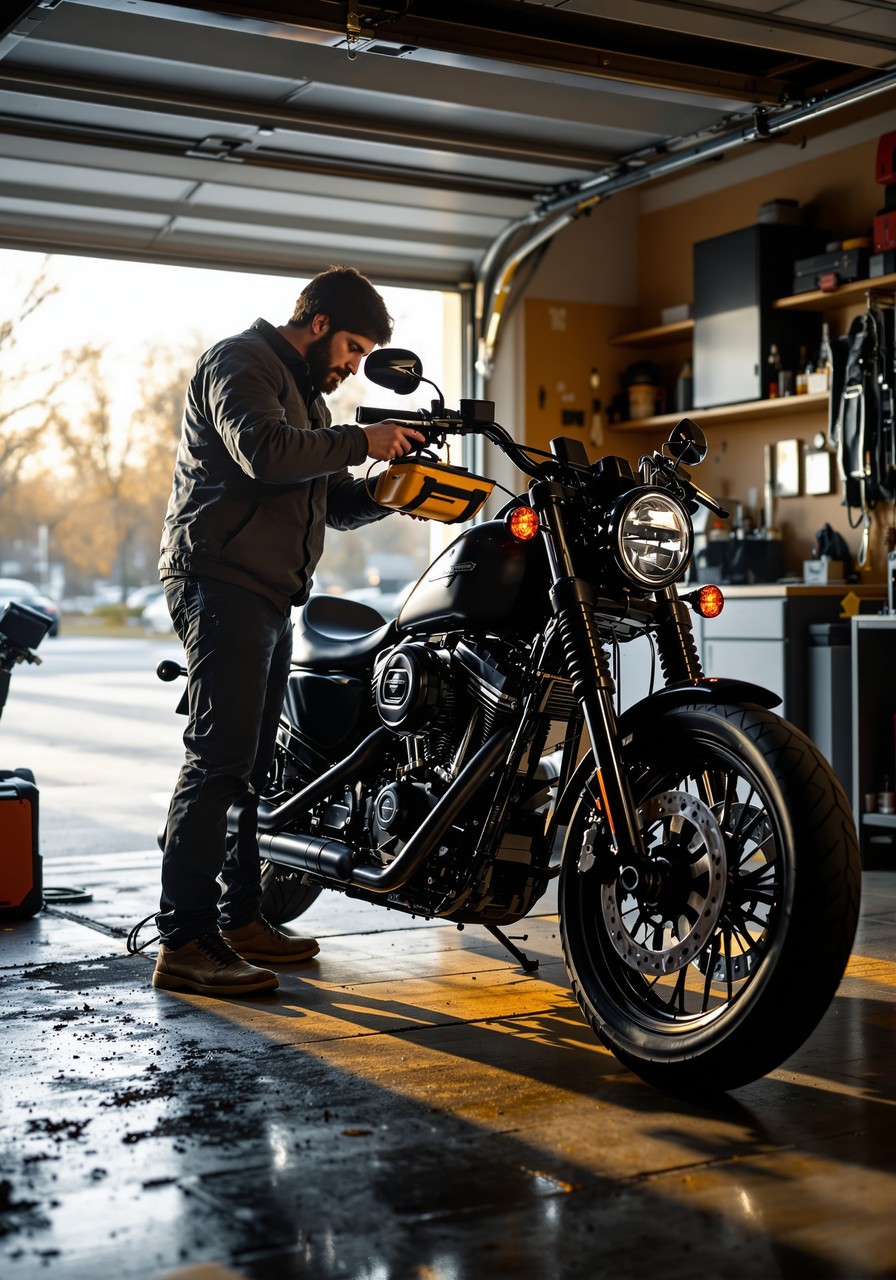
Gear & New Iron
Check your tire date codes. That four-digit stamp on the sidewall is week and year. Rubber older than five or six years goes hard and loses grip no matter the tread. #RideNationNC #MotorcycleMaintenance #RiderTips
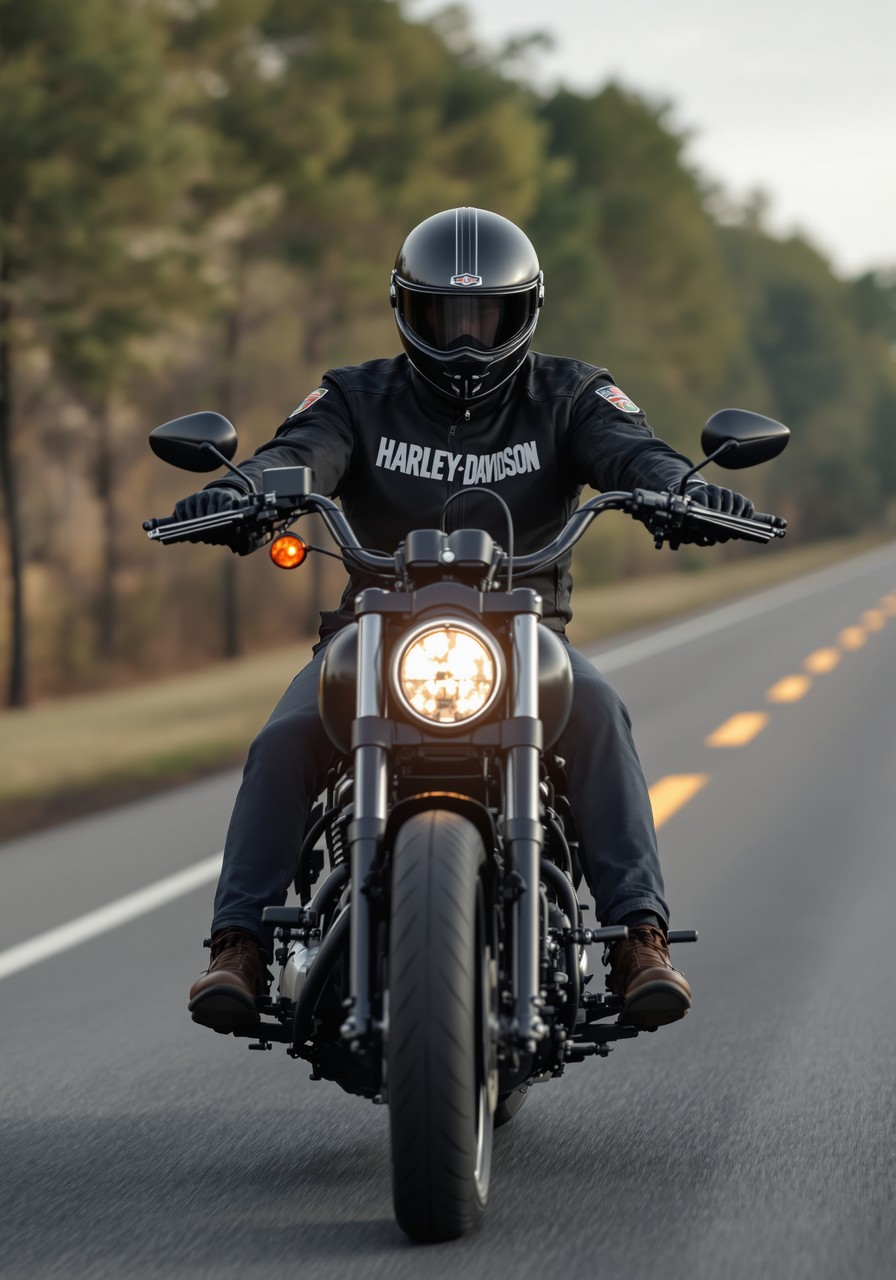
Safety & NC Law
Freeze-thaw season chews potholes into Triangle roads that can swallow a front wheel. Hurt because a road hazard and a careless driver combined? Call Hardison and Cochran at (919) 444-4444. #RideNationNC #MotorcycleSafety #RaleighRiders
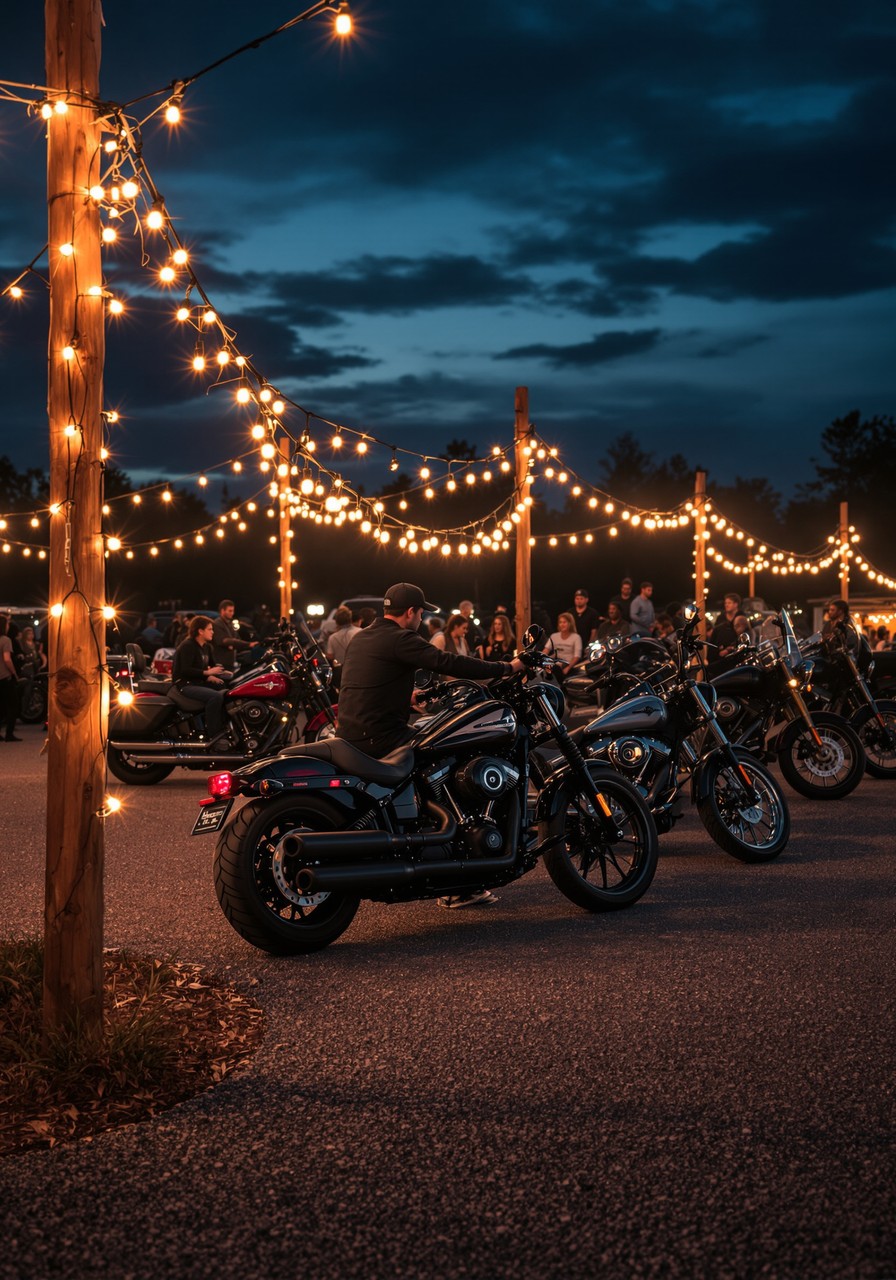
Engagement
Tag someone who needs a reminder that the Blue Ridge Parkway is waiting for them come spring. #RideNationNC #BlueRidgeParkway #NorthCarolinaRiders
Giveaway & Countdown
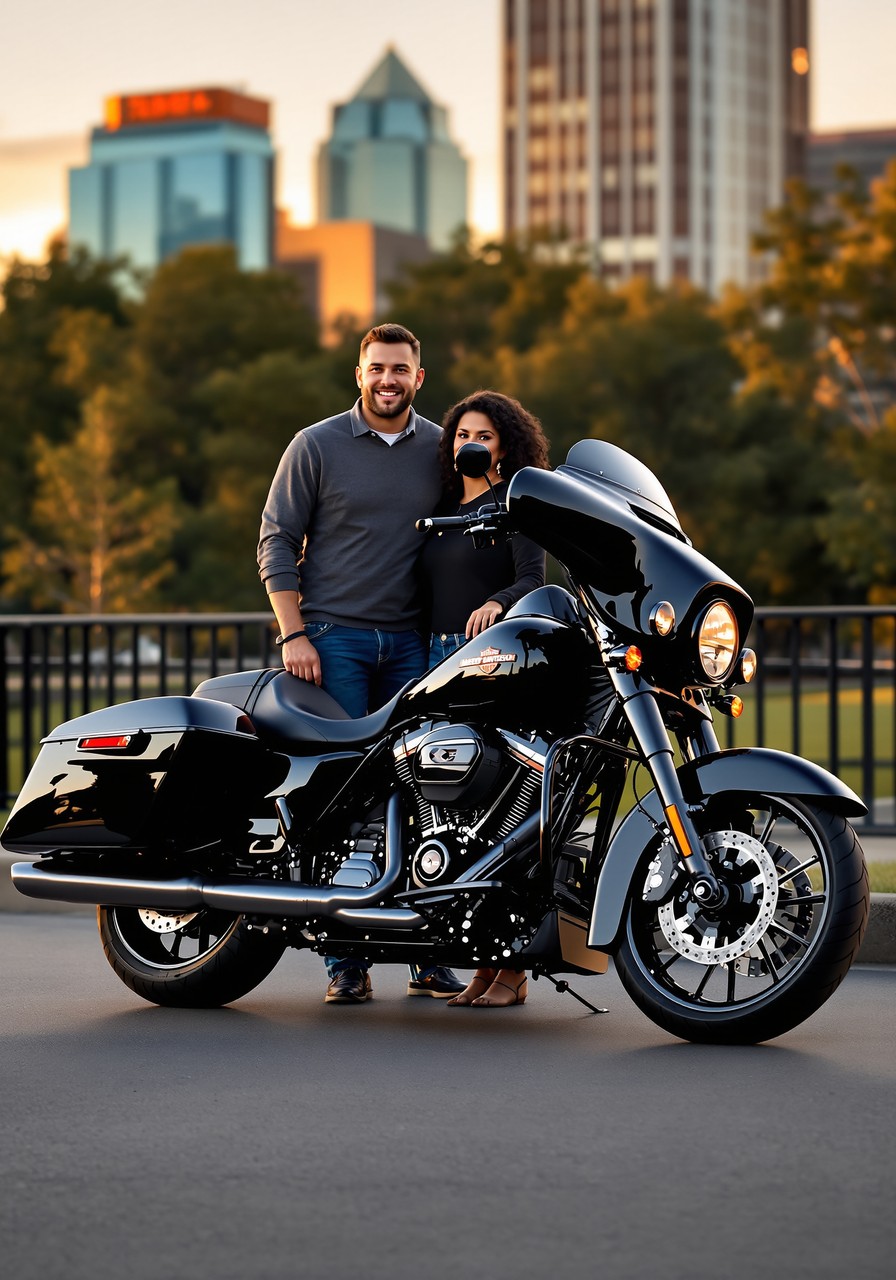
Questions about your wreck and a shot at $20K in one call. That is how we do it. (919) 444-4444. #RideNationNC #20kGiveaway #NorthCarolinaRiders
Local NC & Rides
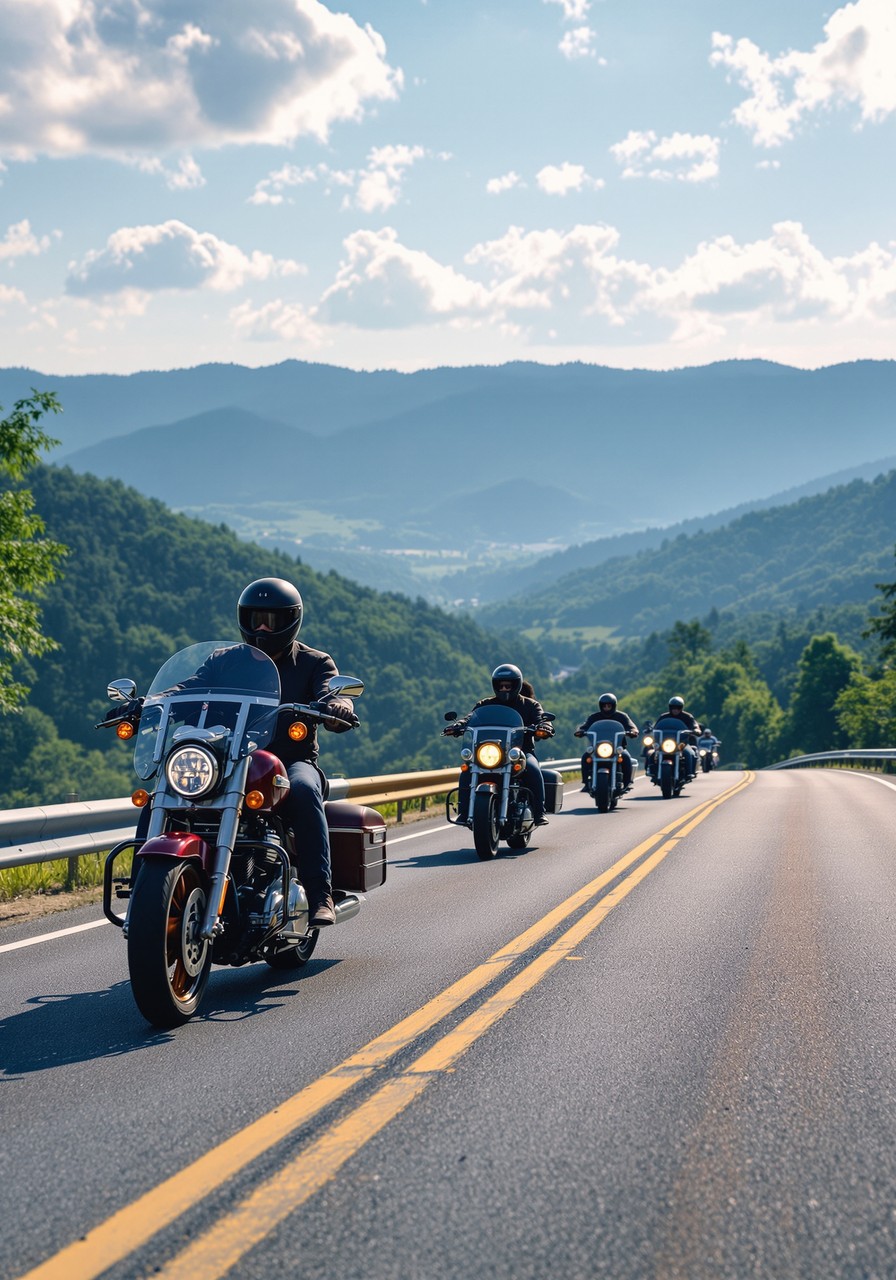
Garage season is real in Carolina, but it is short. Do the fluids, charge the battery, and lube the chain now so the first warm day is a ride, not a repair. #RideNationNC #RaleighRiders #CarolinaRiders
Gear & New Iron
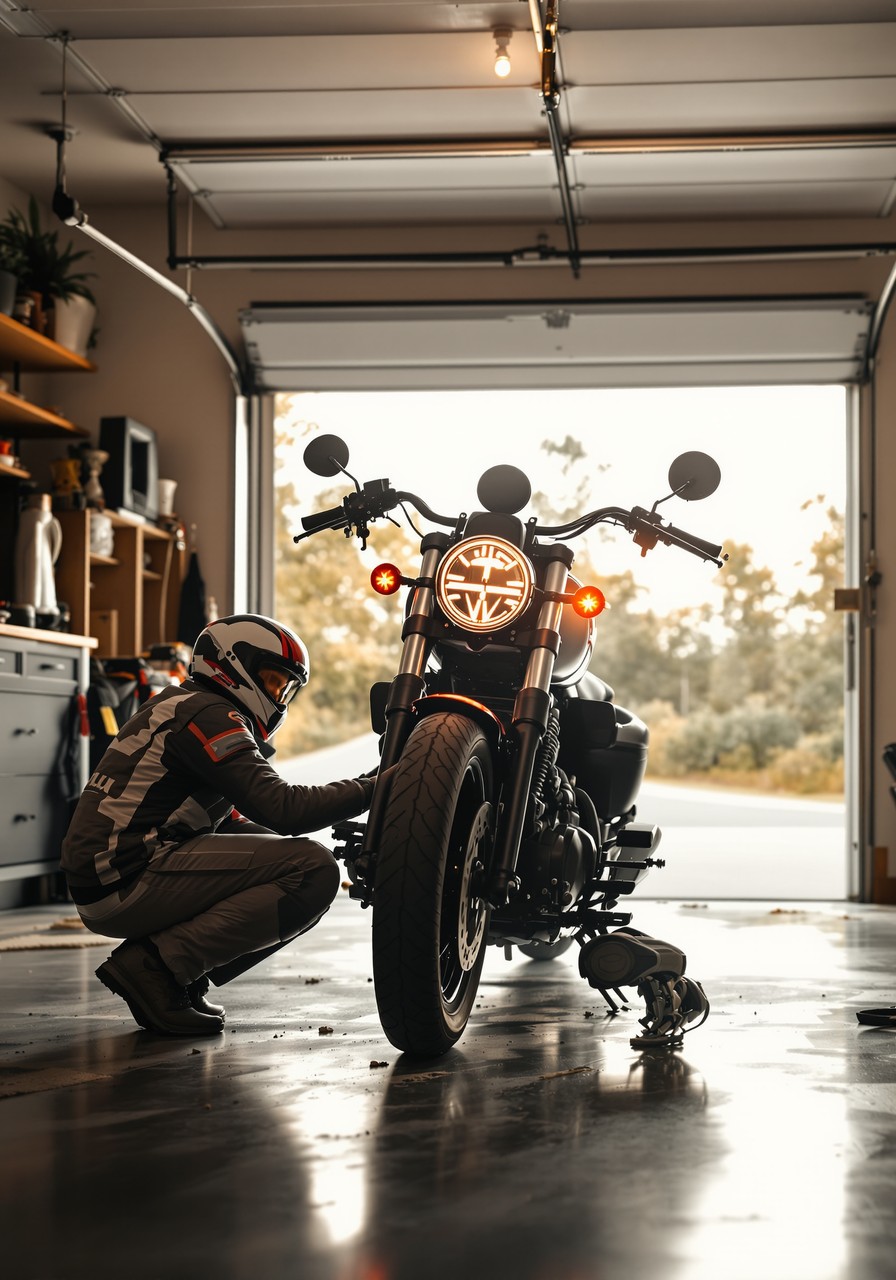
Tread check the easy way: a penny in the groove. If you see all of Lincoln's head, you are running on borrowed traction. Time for new rubber. #RideNationNC #MotorcycleMaintenance #RiderTips
Safety & NC Law
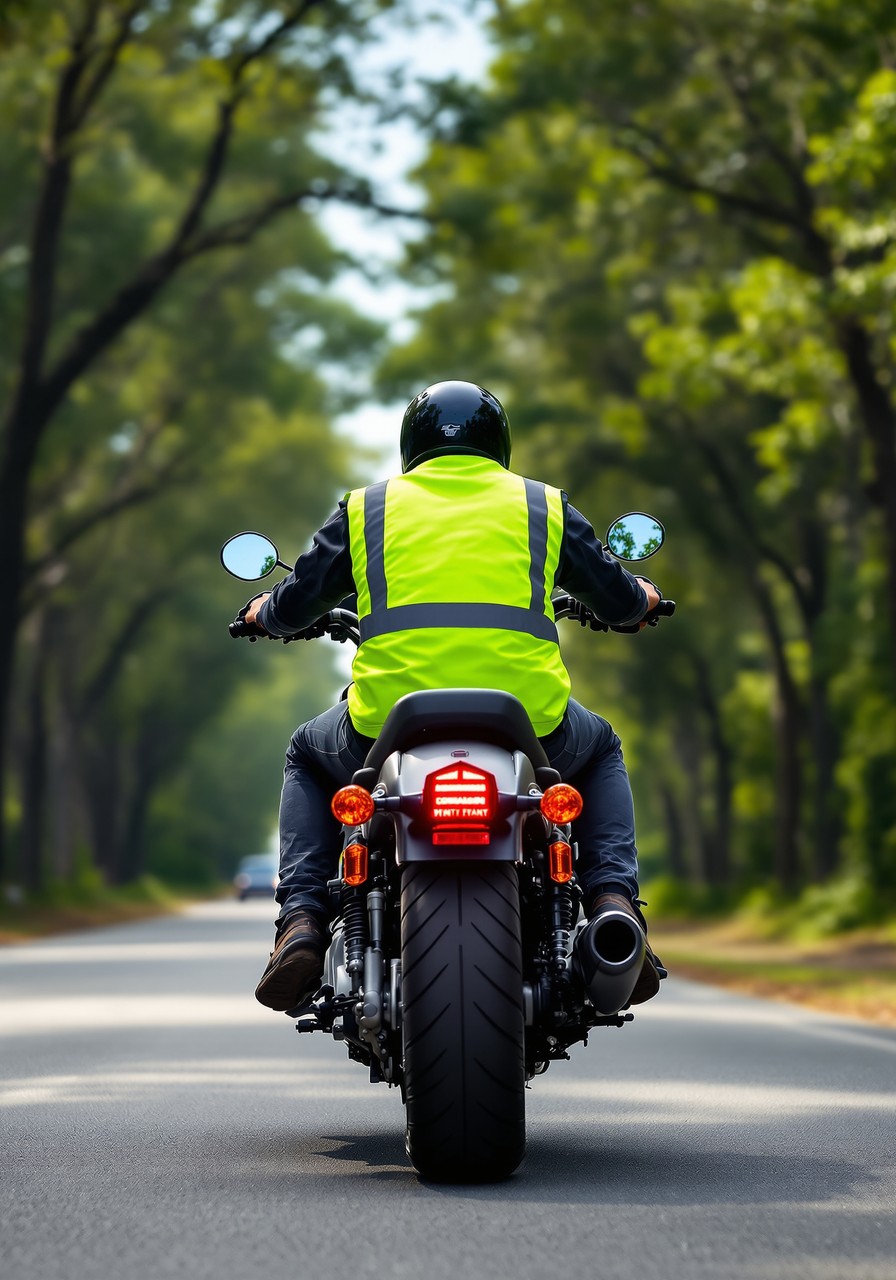
Do not admit fault at the scene, not even 'sorry.' In a pure contributory negligence state that one word can cost you the whole claim. Questions? Call Hardison and Cochran at (919) 444-4444. #RideNationNC #RiderRights #KnowYourRights
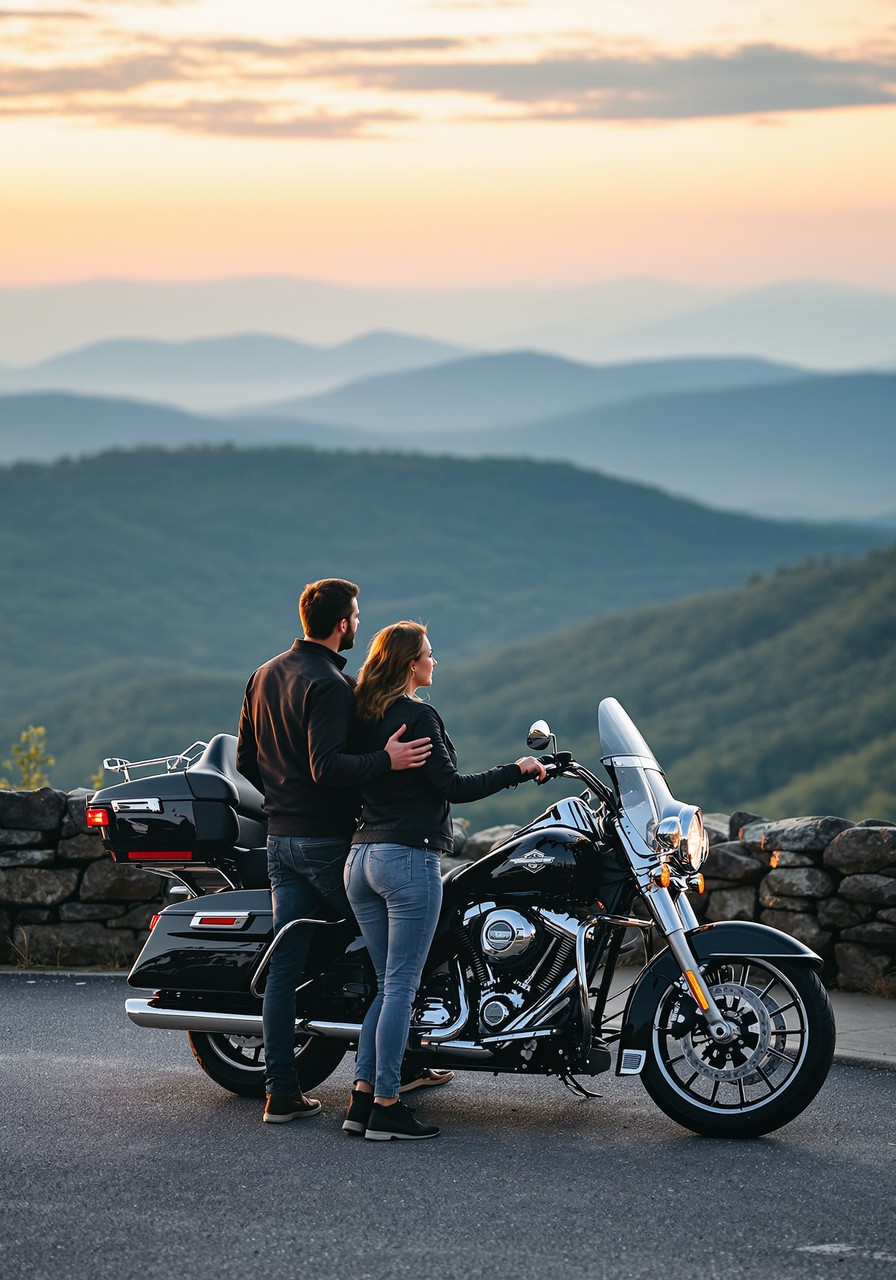
Engagement
Fill in the blank: my cold-weather ride is not complete without ______. #RideNationNC #CarolinaRiders #TwoWheels
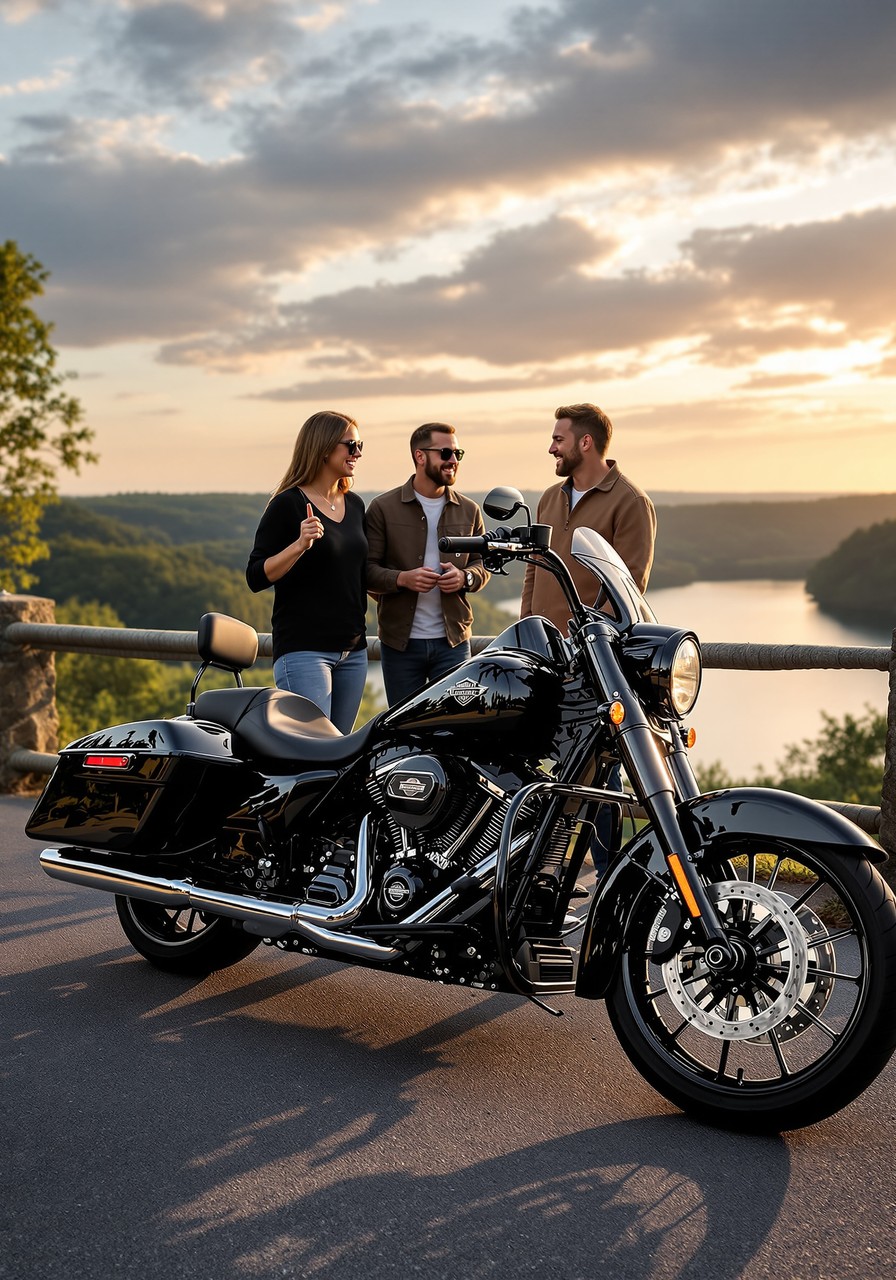
Giveaway & Countdown
The giveaway is heating up. Get your free entry locked in by calling Hardison & Cochran at (919) 444-4444. #RideNationNC #MotorcycleGiveaway #RaleighRiders
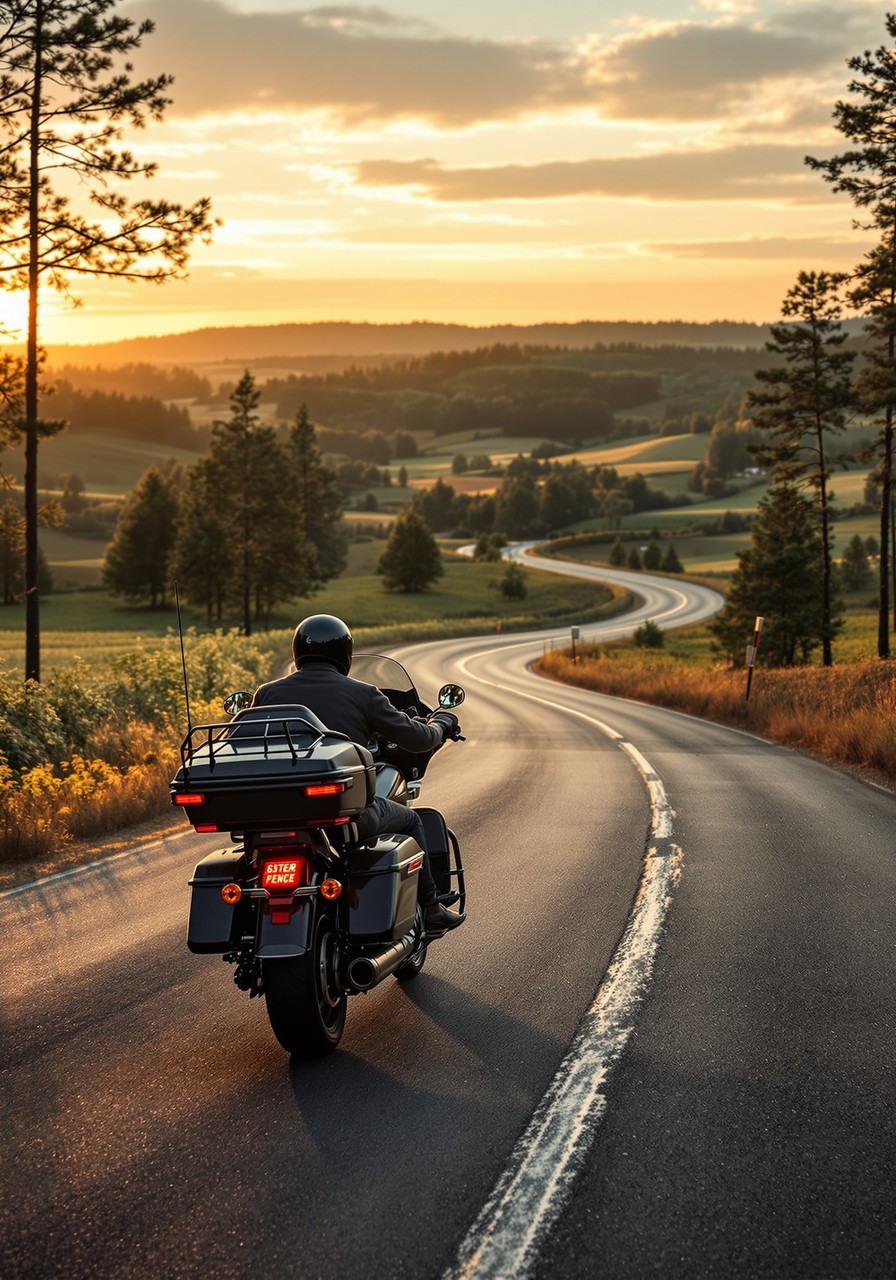
Local NC & Rides
When an ice storm is in the forecast, the smart move is to leave it parked. One warm afternoon is coming, and it beats a slide on frozen backroads. #RideNationNC #NorthCarolinaRiders #CarolinaRiders
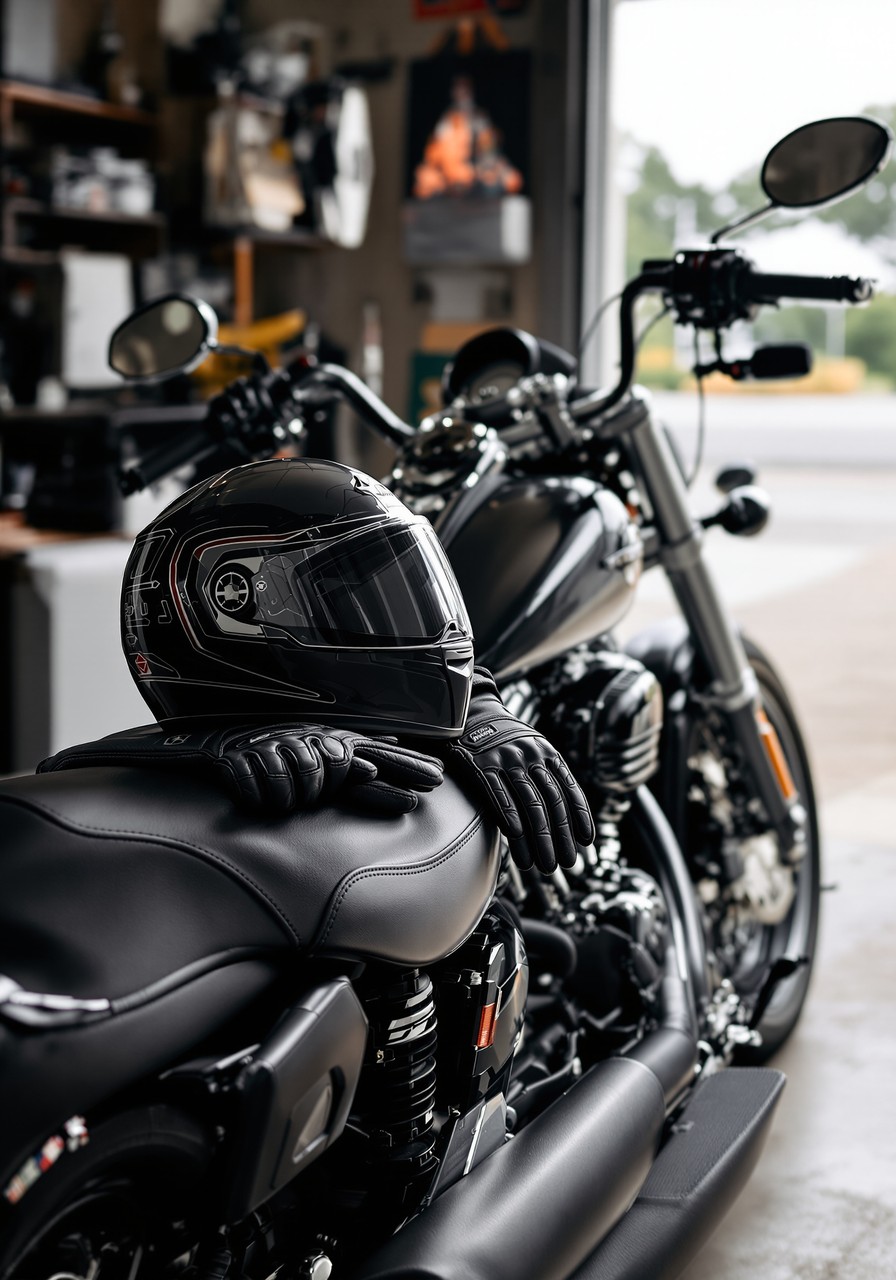
Gear & New Iron
Cold morning, low pressure. Tire PSI drops about one pound for every 10 degrees the temp falls. Check it cold before you roll out this fall. #RideNationNC #ColdWeatherRiding #MotorcycleMaintenance
Safety & NC Law
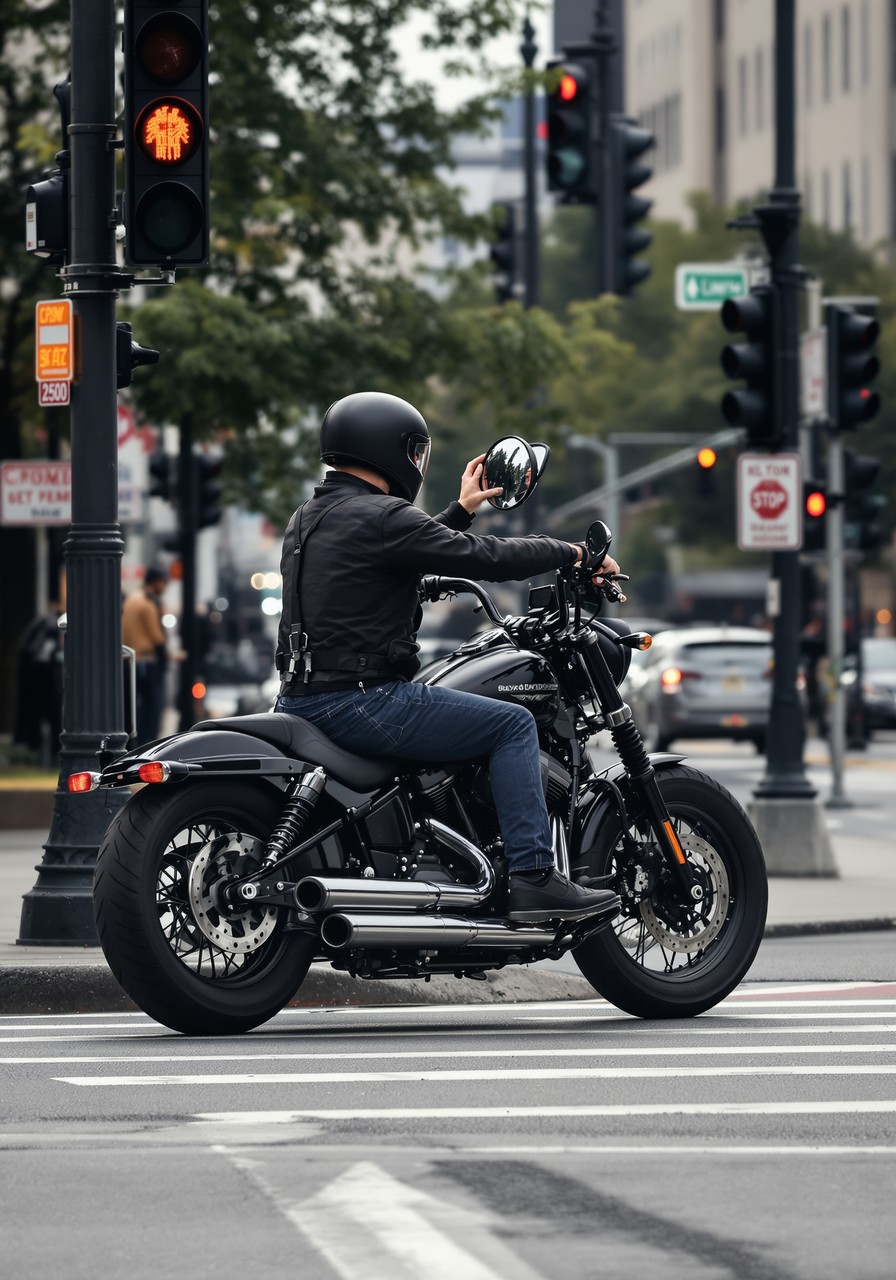
The insurance adjuster is not on your side. Before you give a recorded statement, talk to a rider's attorney. Call Hardison and Cochran at (919) 444-4444. #RideNationNC #RiderRights #NorthCarolinaRiders
Engagement
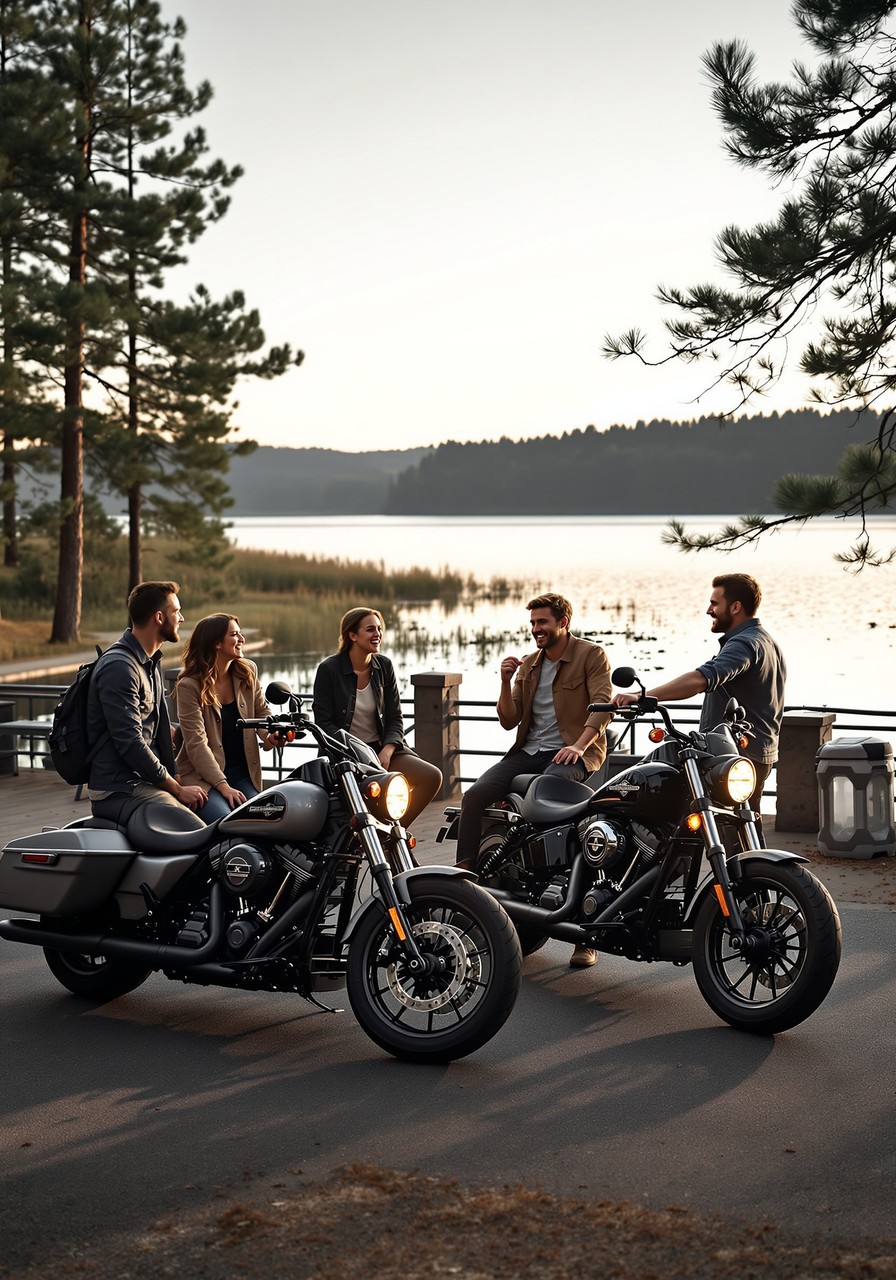
Question: what was the first bike you ever owned, and do you miss it? Photos welcome. #RideNationNC #NorthCarolinaRiders #TwoWheels
Giveaway & Countdown
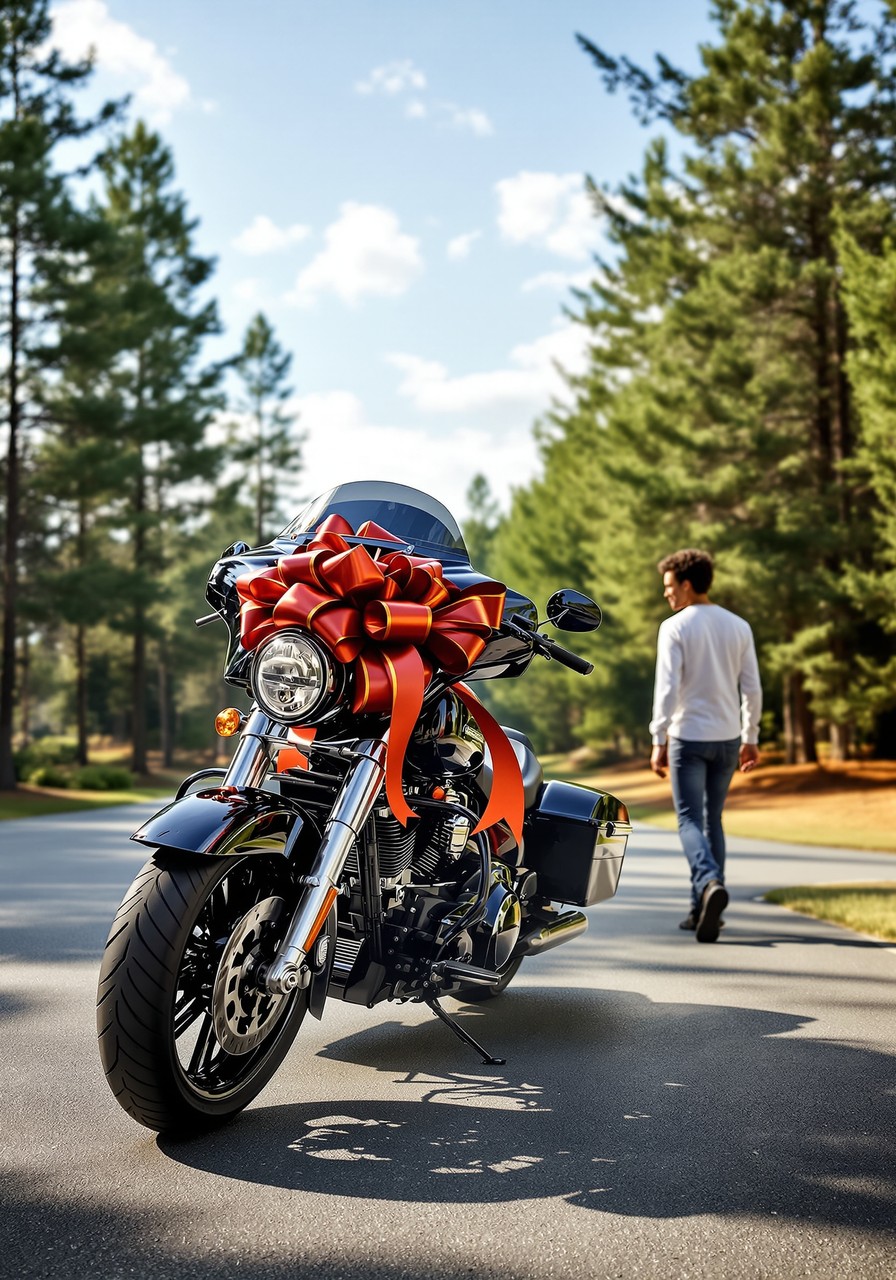
Riders helping riders. Talk to us about your claim, free of charge, and you are entered to win $20,000. Call (919) 444-4444. #RideNationNC #BikersWin #NorthCarolinaRiders
Local NC & Rides
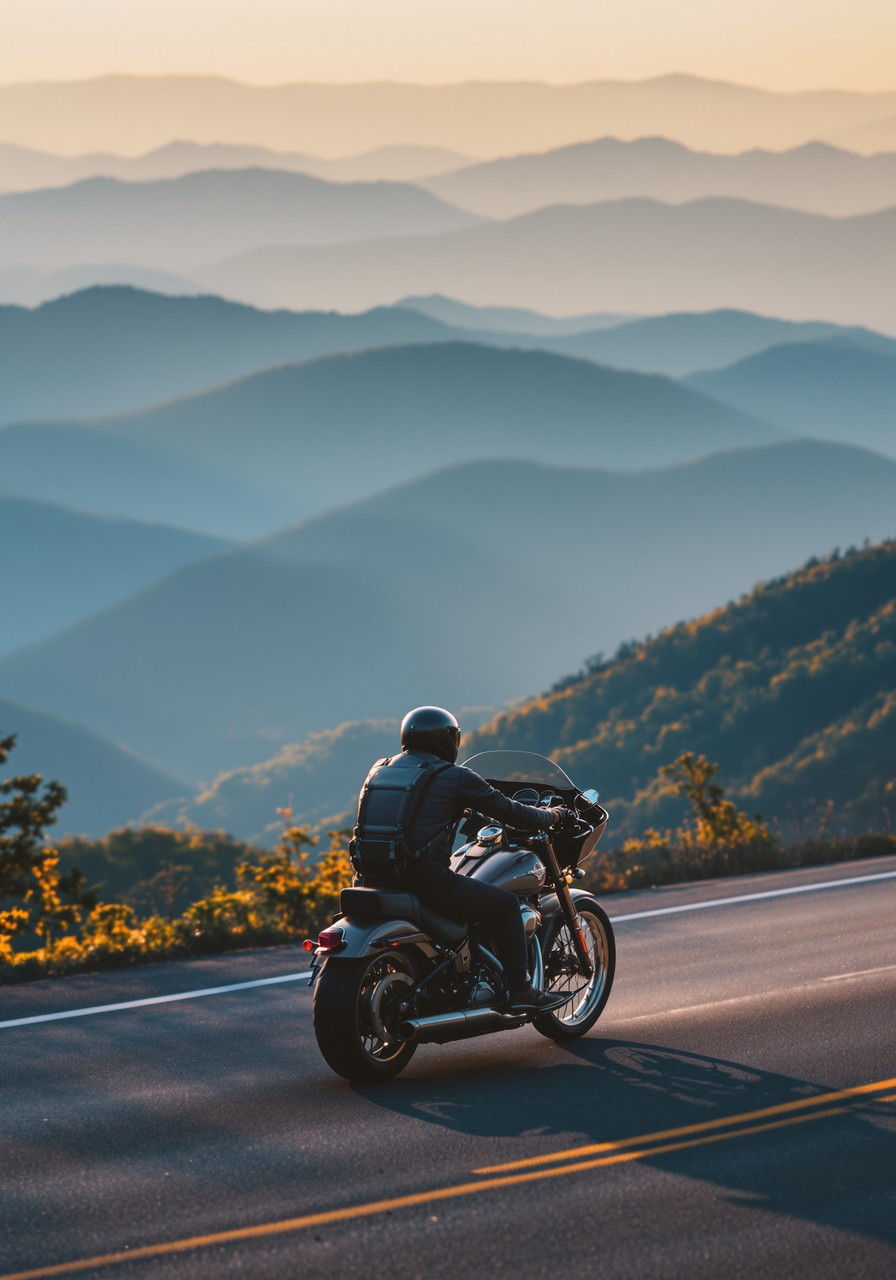
Black ice loves the bridge decks over the Neuse and the Haw first. If the air is near freezing, treat every bridge like it is slick until proven otherwise. #RideNationNC #TheTriangle #RaleighRiders
Gear & New Iron
Winter battery tip: a 30 dollar tender beats a dead battery come spring. Plug it in before the first hard freeze and forget about it. #RideNationNC #MotorcycleMaintenance #RiderTips
Safety & NC Law
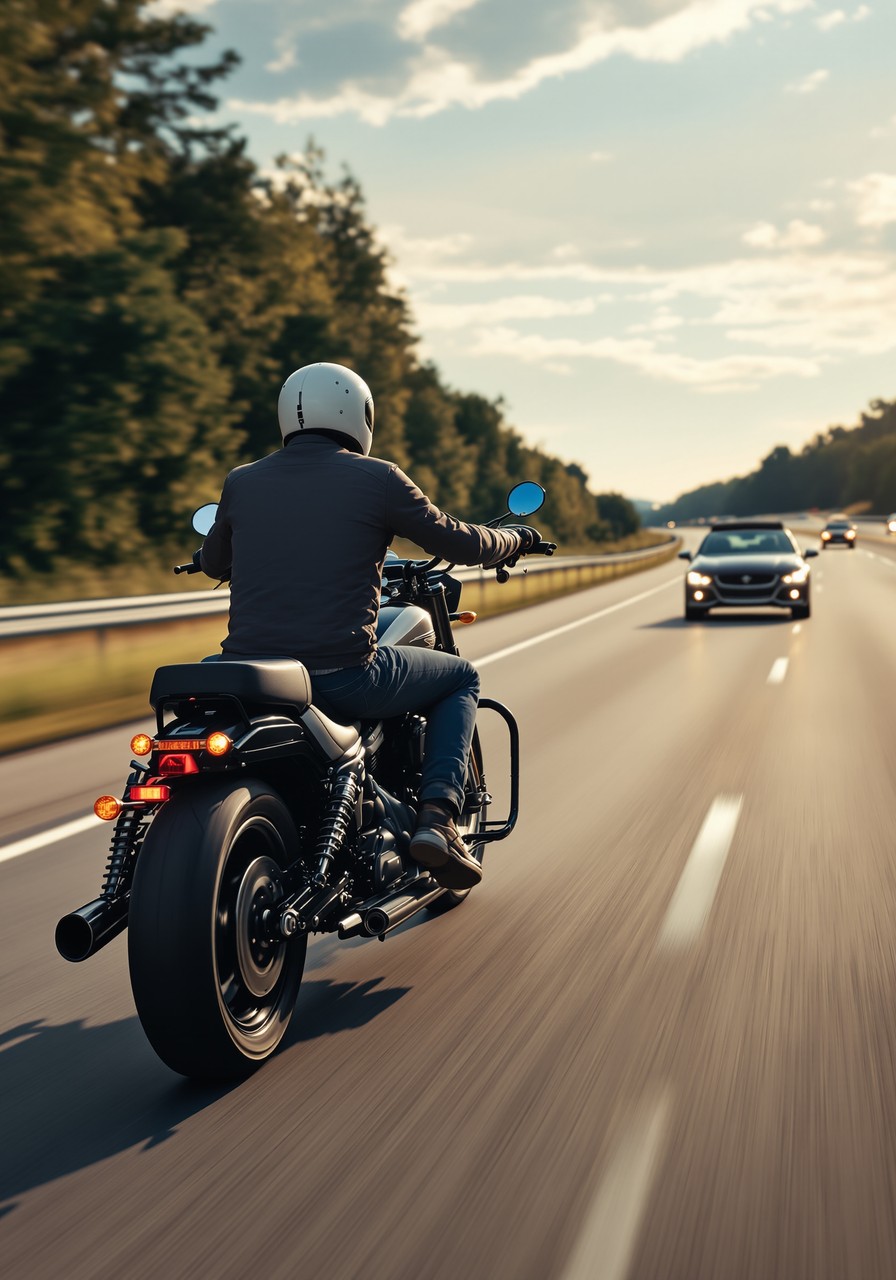
Every rider and passenger in North Carolina must wear a DOT helmet, no exceptions. Wear it right, and if a driver still put you down, call Hardison and Cochran at (919) 444-4444. #RideNationNC #MotorcycleSafety #ATGATT
Engagement
This or that: a lazy loop around Jordan Lake or a tight run through the Uwharrie. Pick your winter warm-day. #RideNationNC #Uwharrie #CarolinaRiders
Giveaway & Countdown
Last thing between you and the $20K? A quick, free call. Reach us at (919) 444-4444 and get entered. #RideNationNC #20kGiveaway #TheTriangle
Local NC & Rides
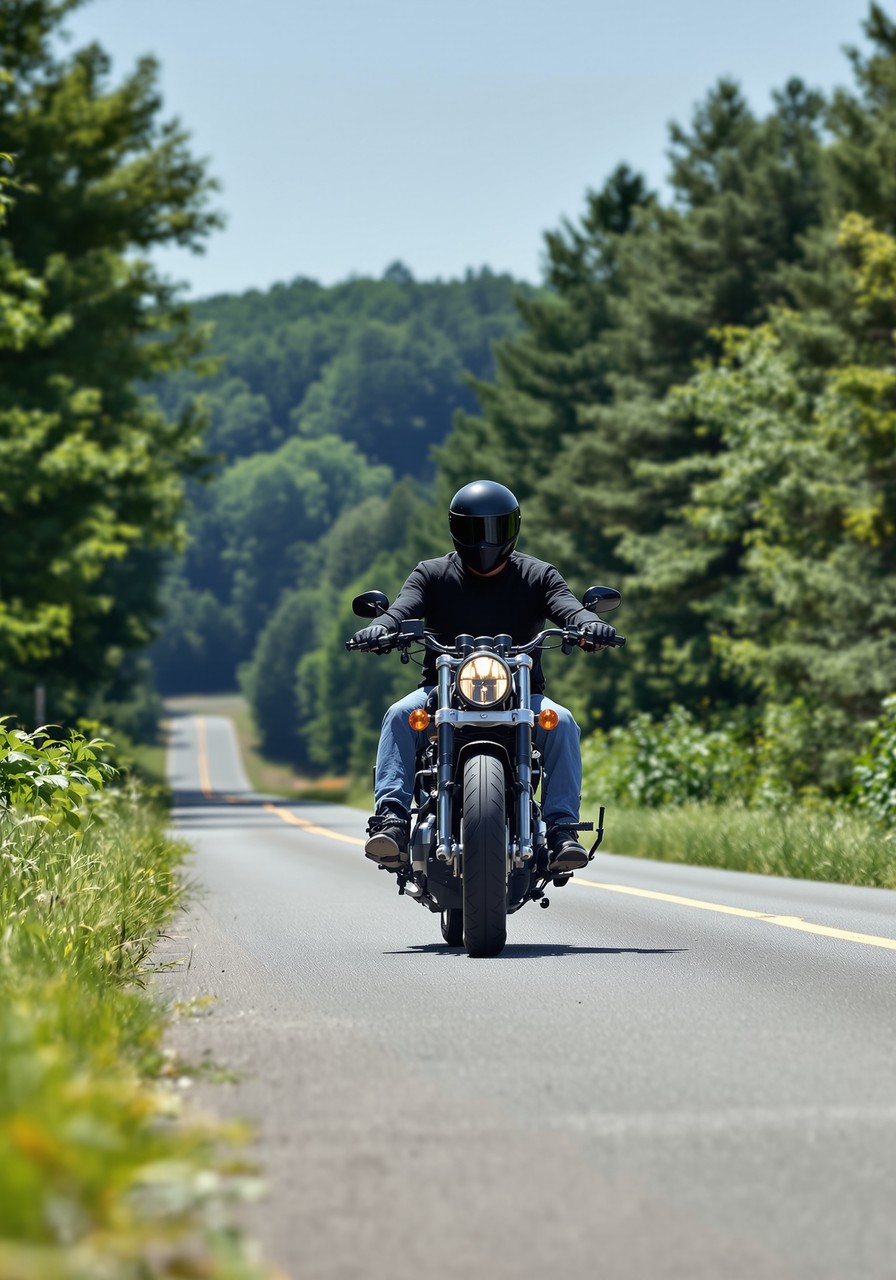
Chasing that one warm blue-sky day in January is a Carolina rider tradition. Layer up, keep it local, and turn back before the sun drops and the cold bites. #RideNationNC #RaleighRiders #CarolinaRiders
Gear & New Iron
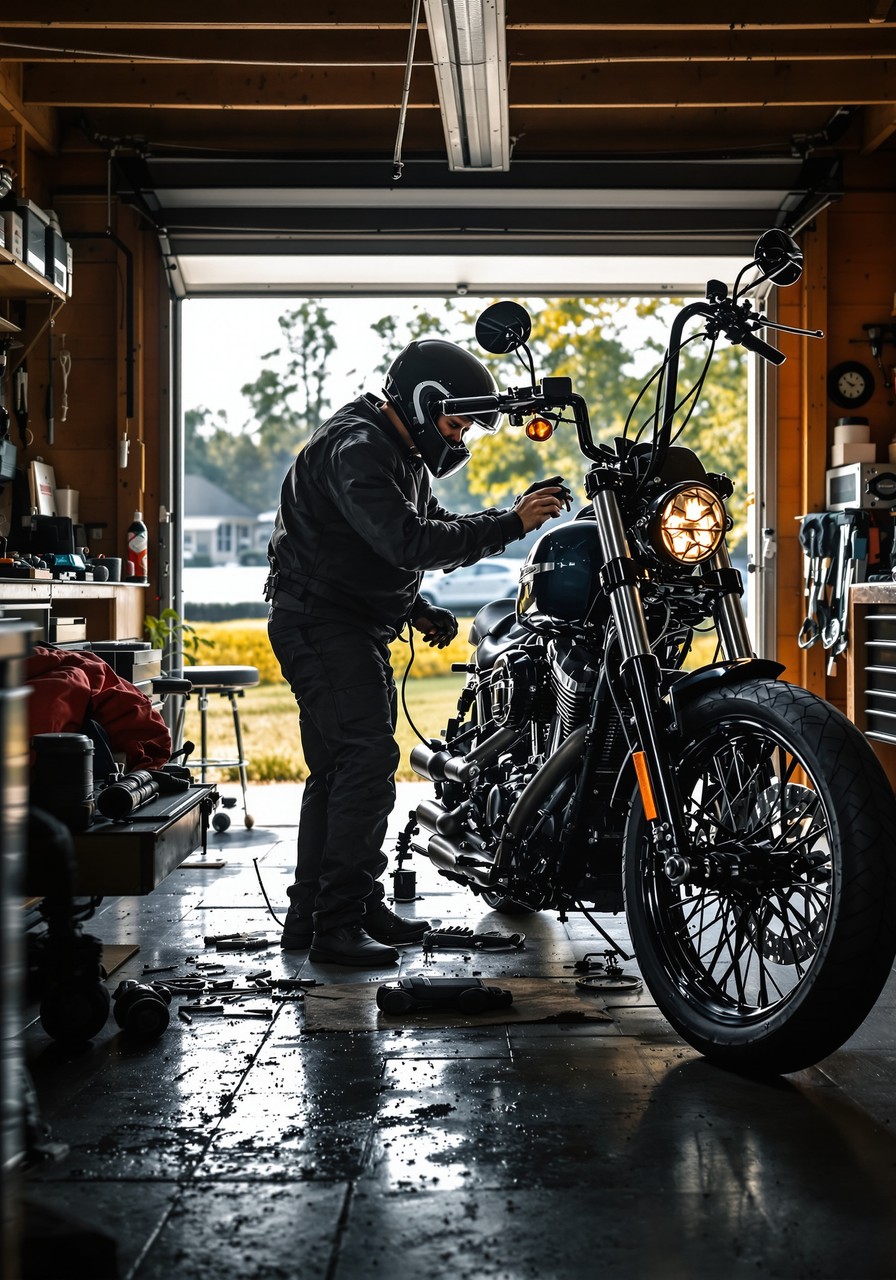
Battery drains even when the bike sits. Cold speeds it up. A smart tender keeps it topped and healthy so you are riding on the first warm Saturday, not jump-starting. #RideNationNC #ColdWeatherRiding #MotorcycleMaintenance
Safety & NC Law
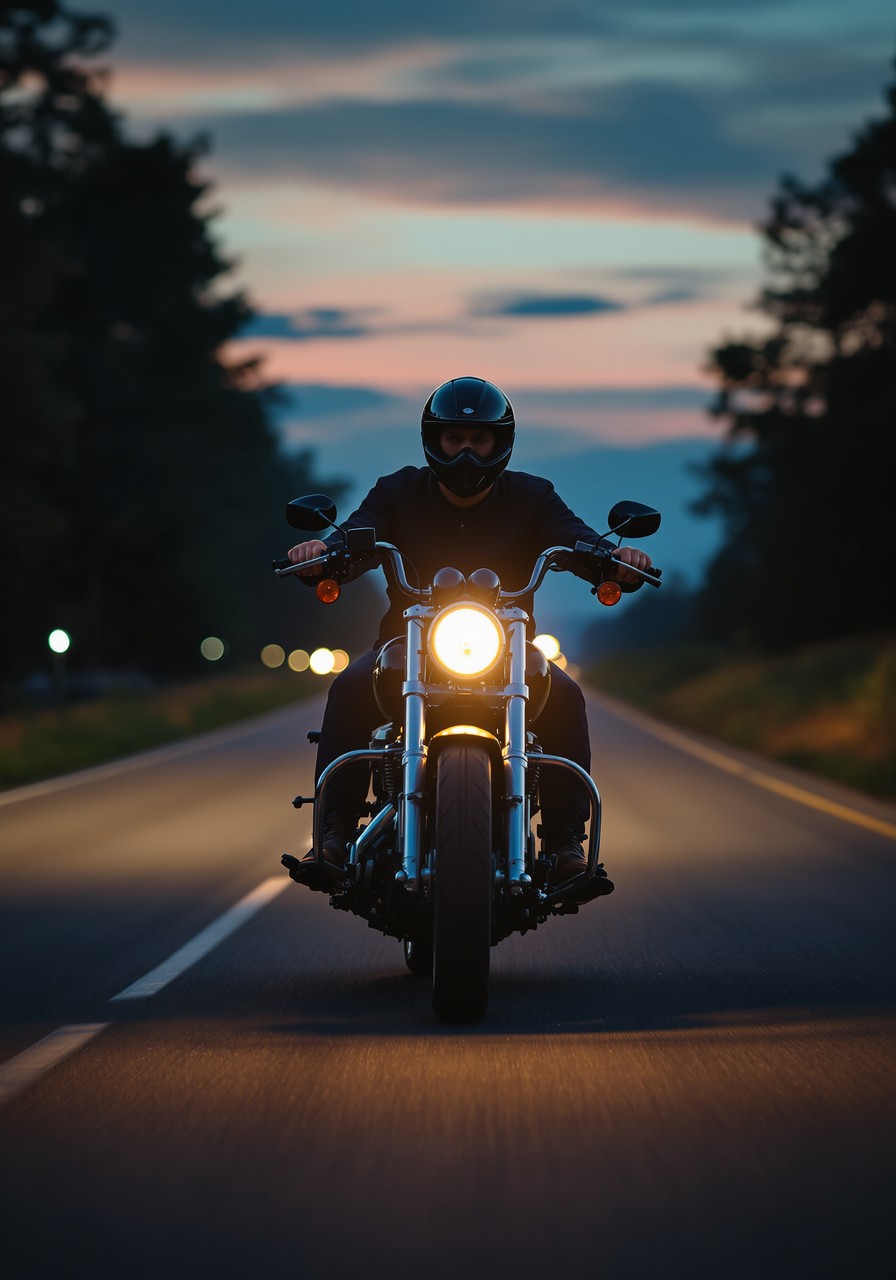
Ice storm just passed? Salt, sand, and slick patches linger for days on Triangle roads. If a driver's mistake wrecked your ride, call Hardison and Cochran at (919) 444-4444. #RideNationNC #MotorcycleSafety #TheTriangle
Engagement
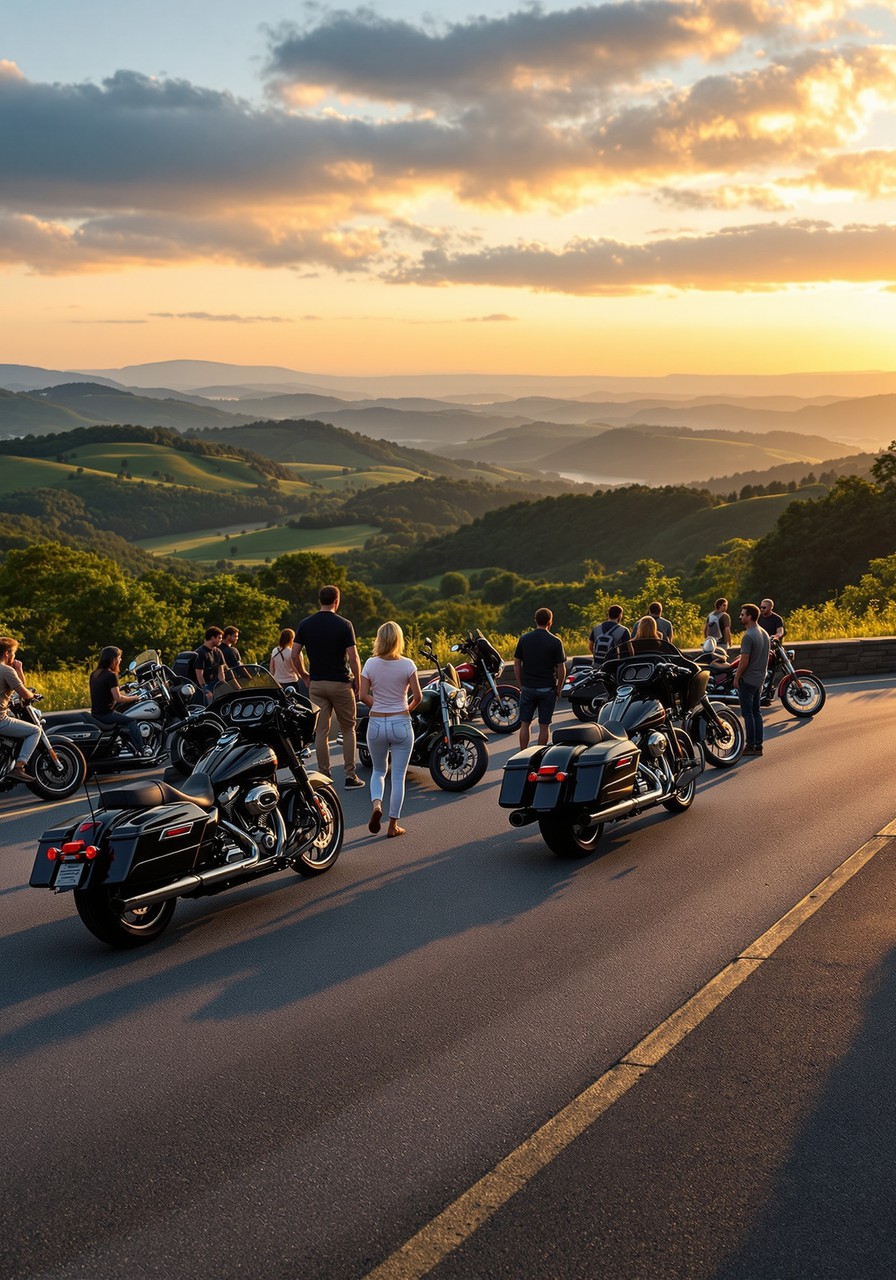
Caption this: the group chat lights up because it hit 60 in February. What is the first message? #RideNationNC #TheTriangle #RaleighRiders
Giveaway & Countdown
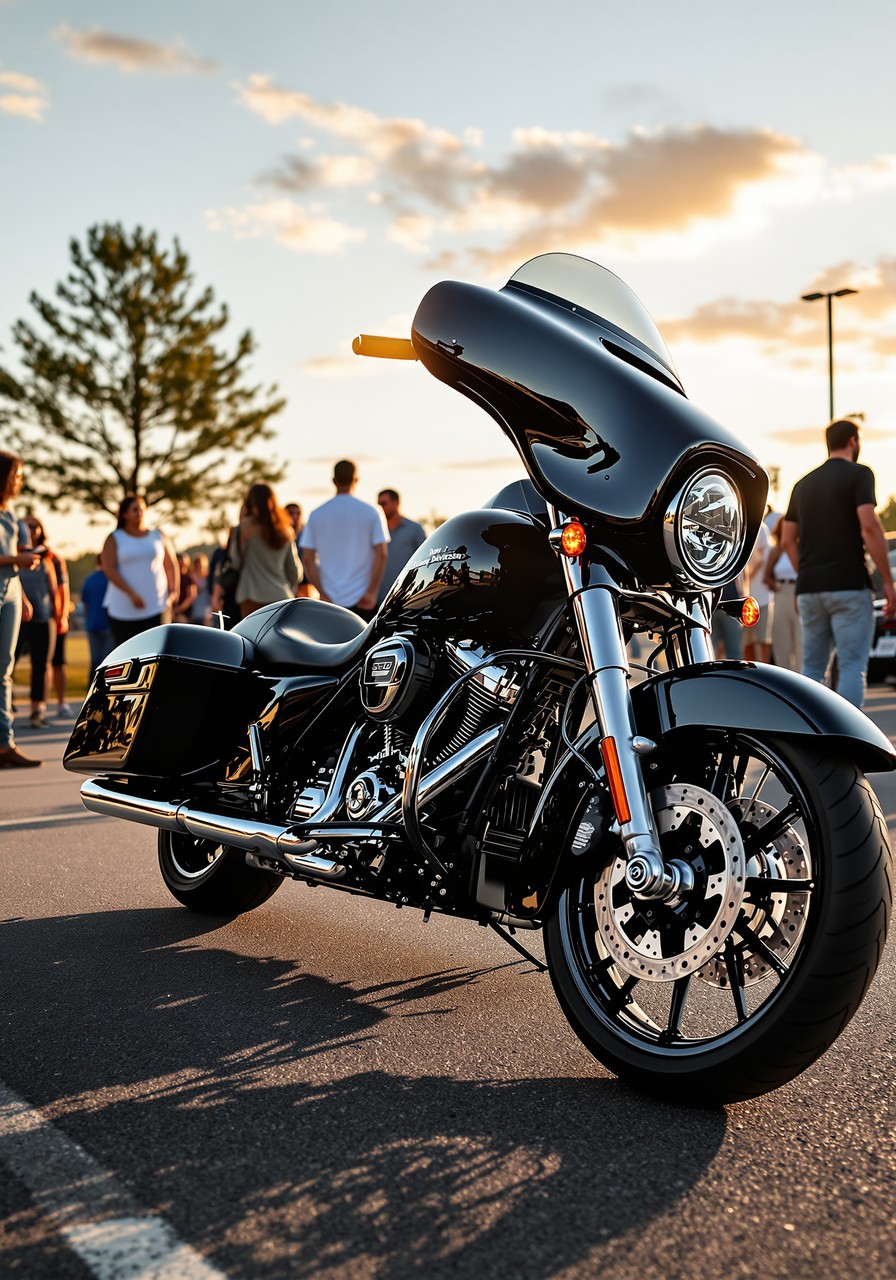
Countdown is on, Triangle. Twenty thousand reasons to tag a riding buddy and get them in on it. #RideNationNC #MotorcycleGiveaway #RaleighRiders
Local NC & Rides
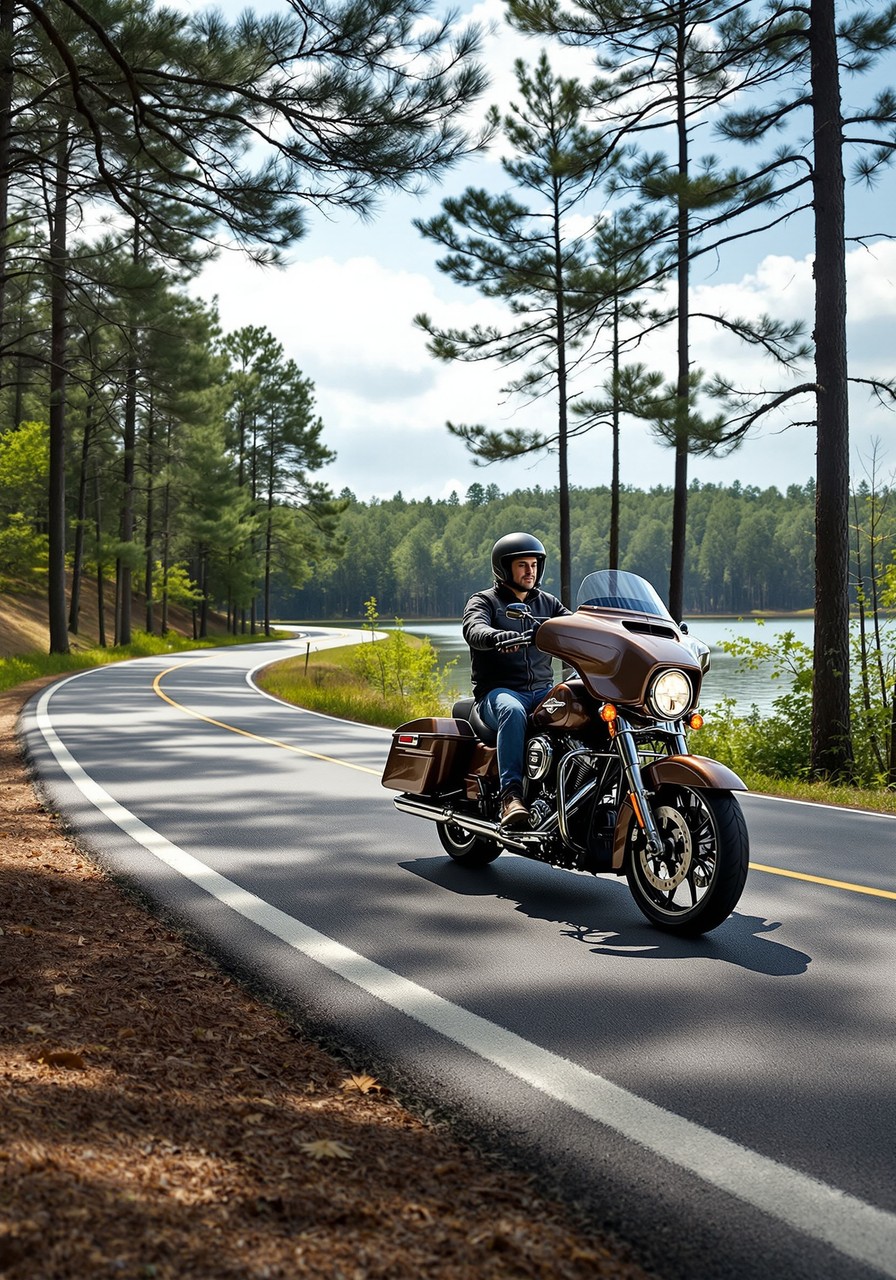
Freeze and thaw all winter chews the pavement into potholes, and the fresh ones hide in shadow. Scan the road out to Chatham and Pittsboro, not just the horizon. #RideNationNC #CarolinaRiders #MotorcycleRoads
Gear & New Iron
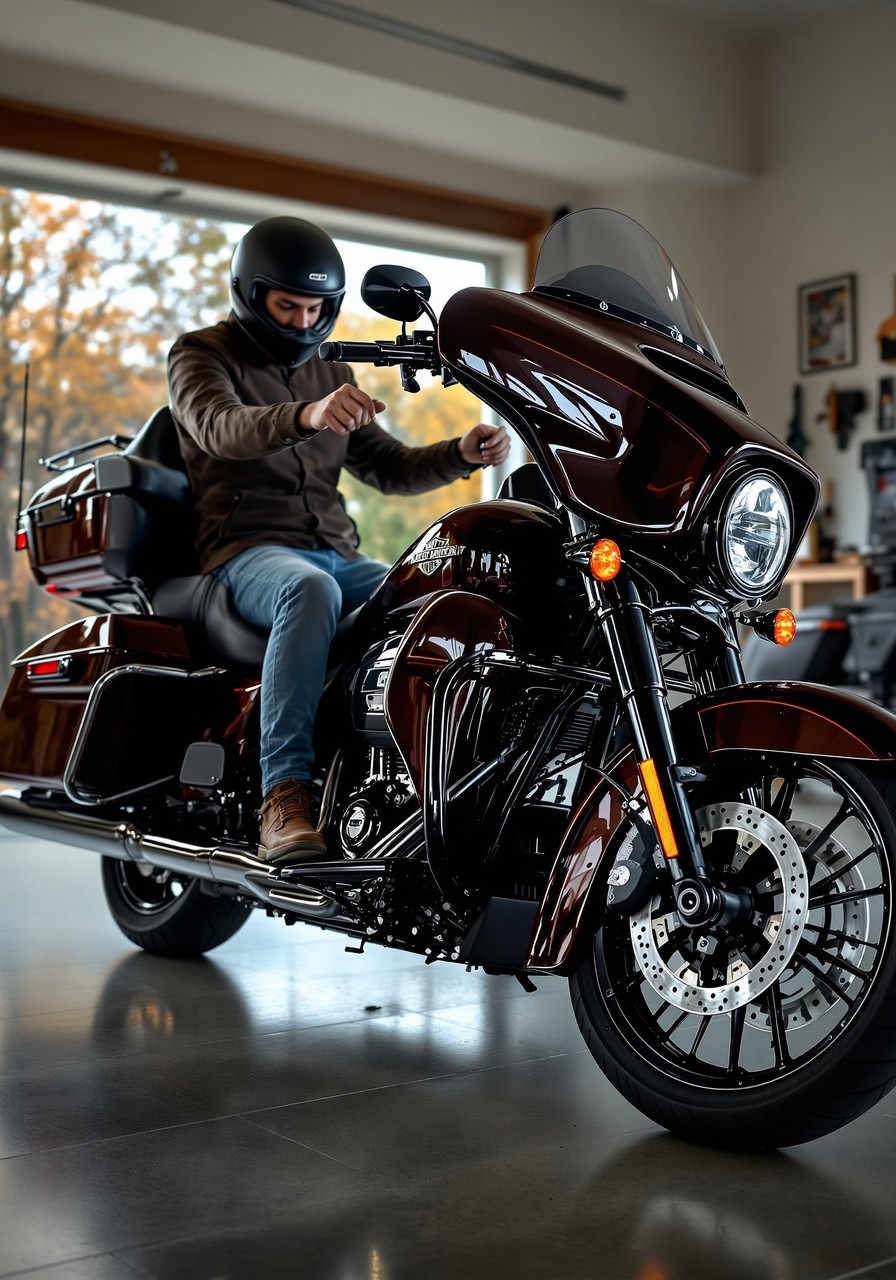
Brake fluid soaks up moisture, and Carolina humidity gives it plenty. If it is dark and you cannot remember the last flush, do it. Two years is the outside limit. #RideNationNC #MotorcycleMaintenance #RiderTips
Safety & NC Law
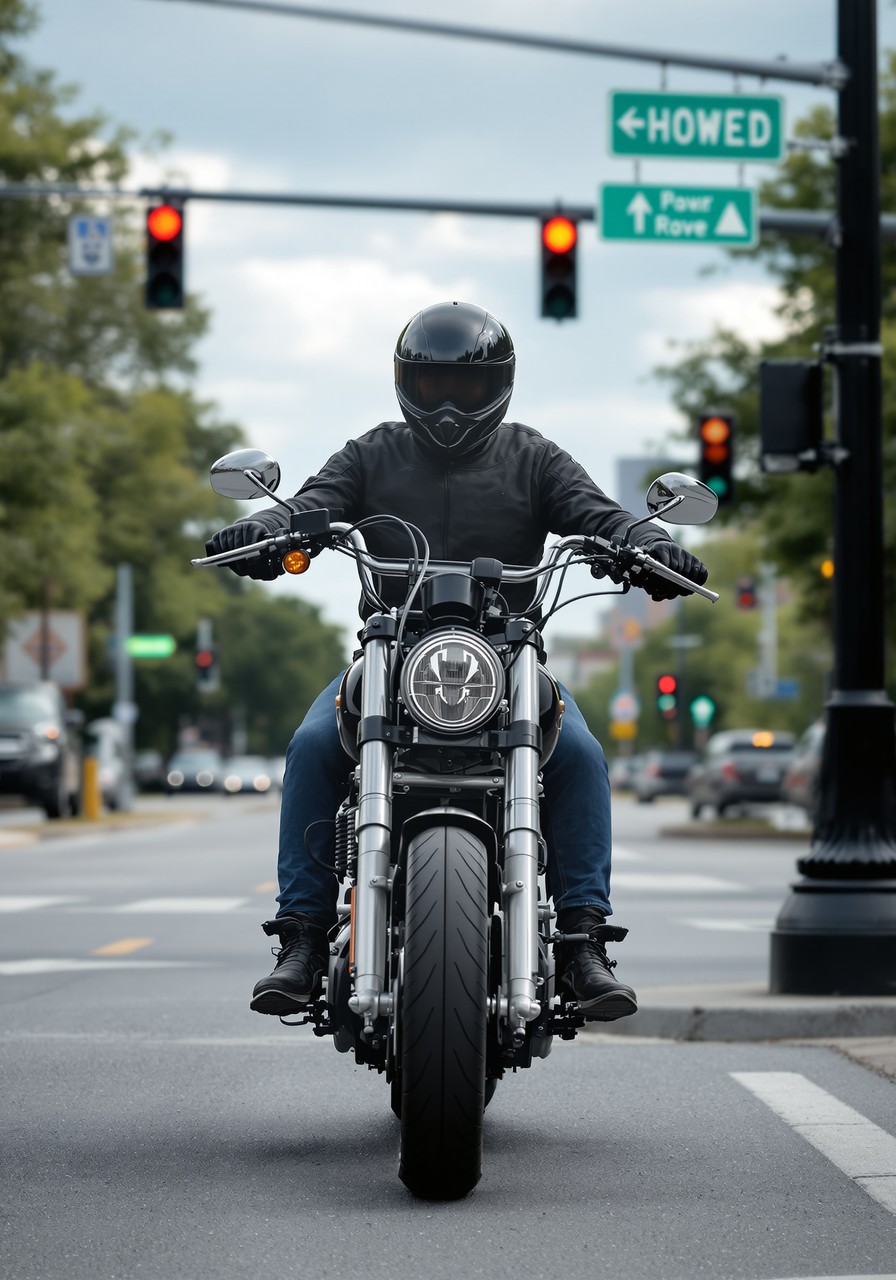
Left-turning cars are the number one threat at Triangle intersections. Cover your brakes and assume they do not see you. #RideNationNC #MotorcycleSafety #RaleighRiders
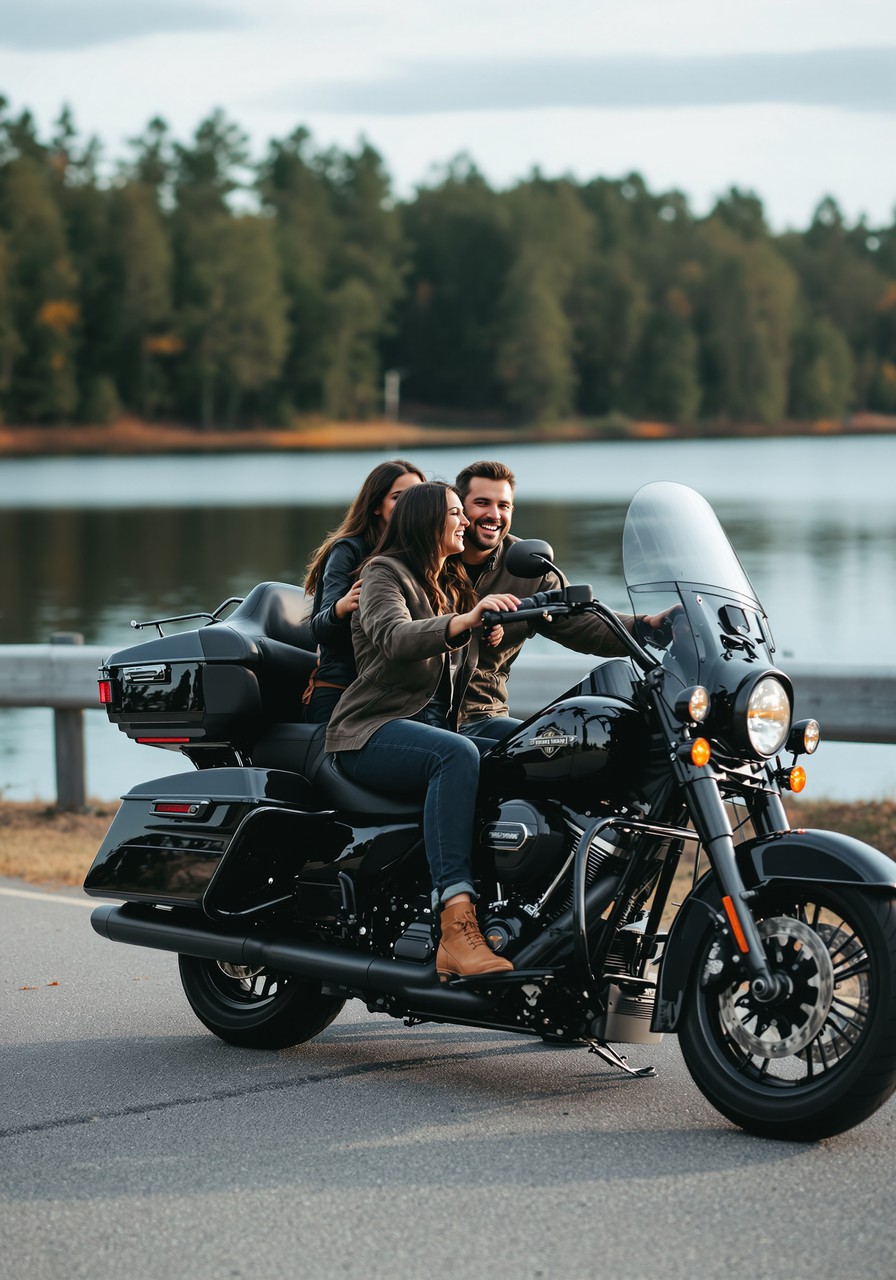
Engagement
Favorite road food stop within an hour of Raleigh? Asking for the whole crew. #RideNationNC #RaleighRiders #TheTriangle
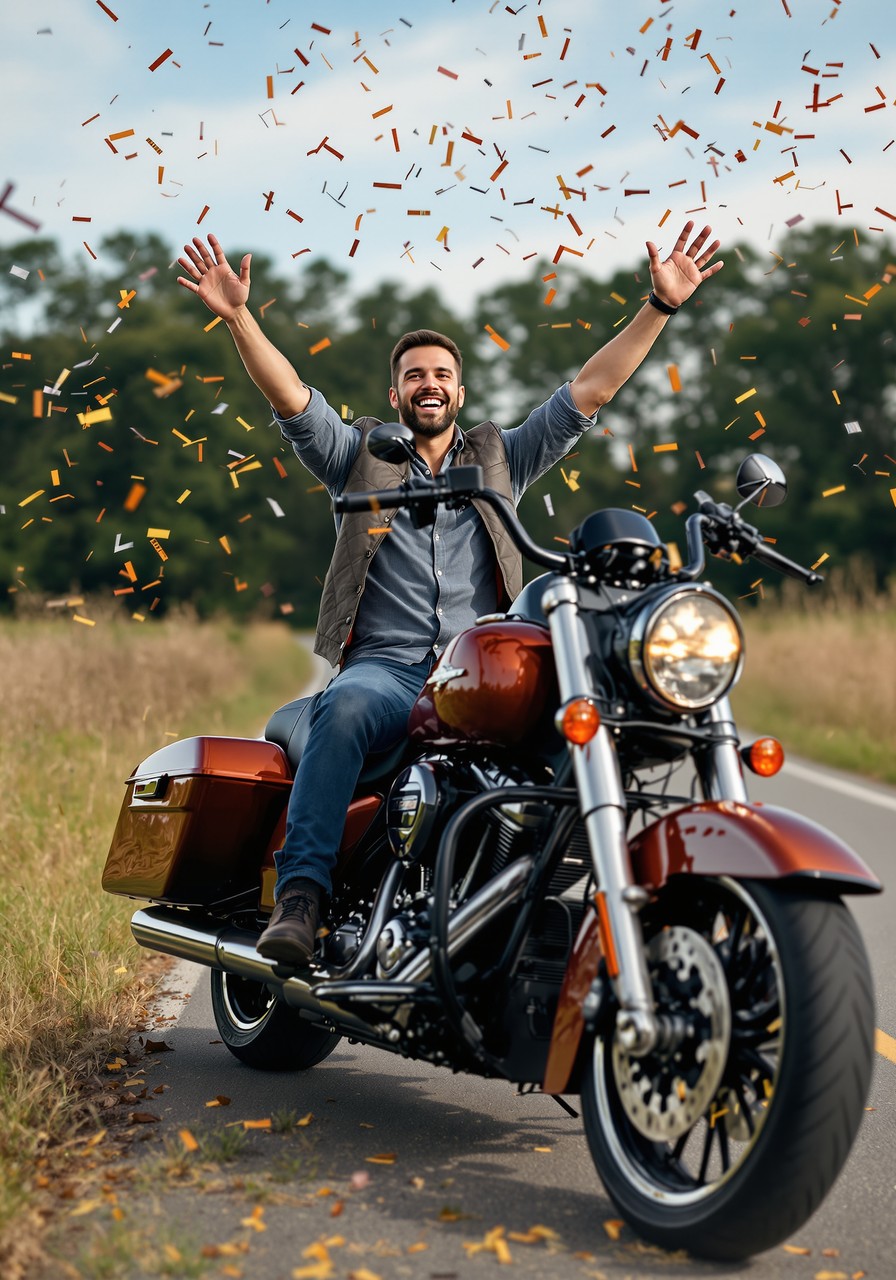
Giveaway & Countdown
The BikersWin $20,000 giveaway is officially rolling. Who is ready to win? #RideNationNC #BikersWin #20kGiveaway
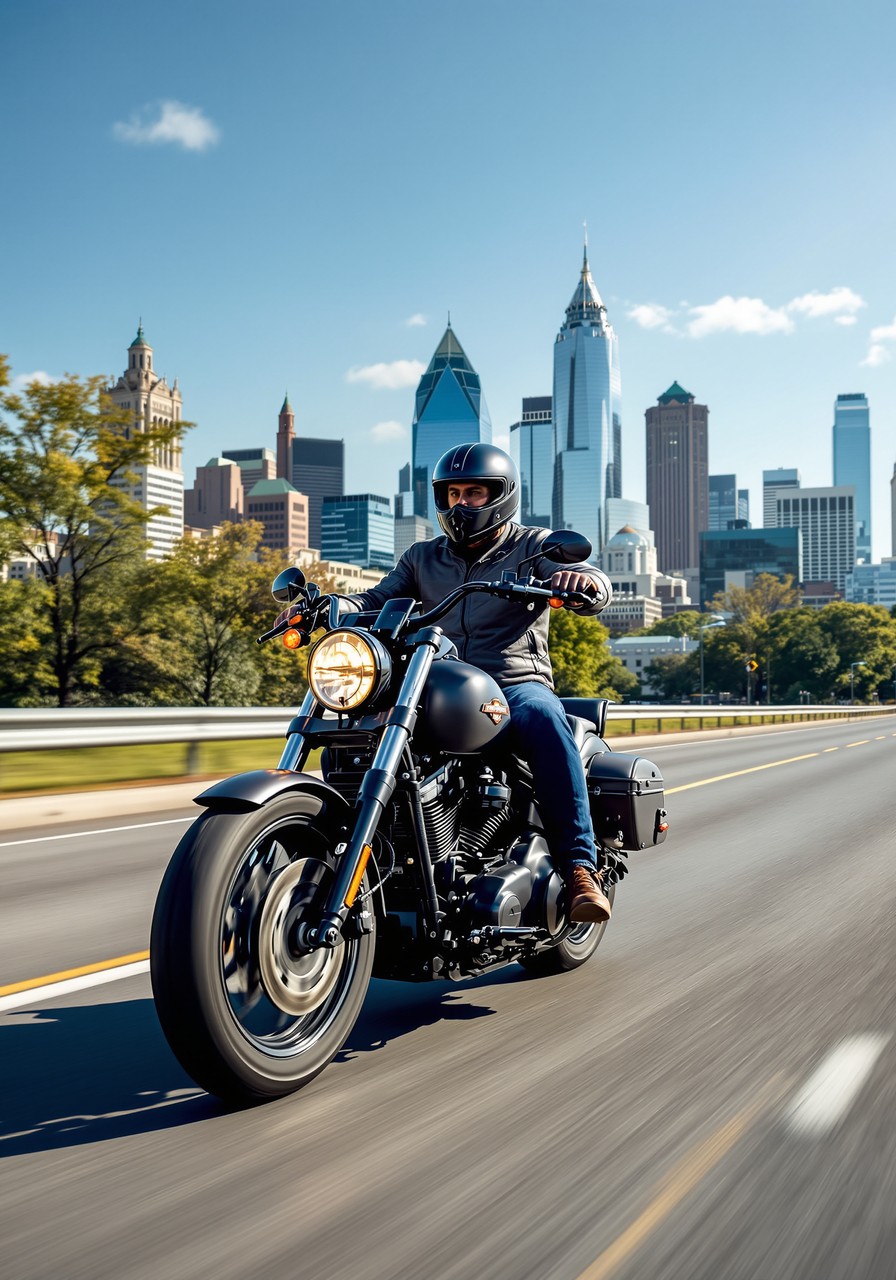
Local NC & Rides
Spring brings the pollen, and that yellow film turns painted lines and crosswalks into ice. First warm rides deserve extra caution on the Beltline ramps. #RideNationNC #RaleighRiders #TheTriangle
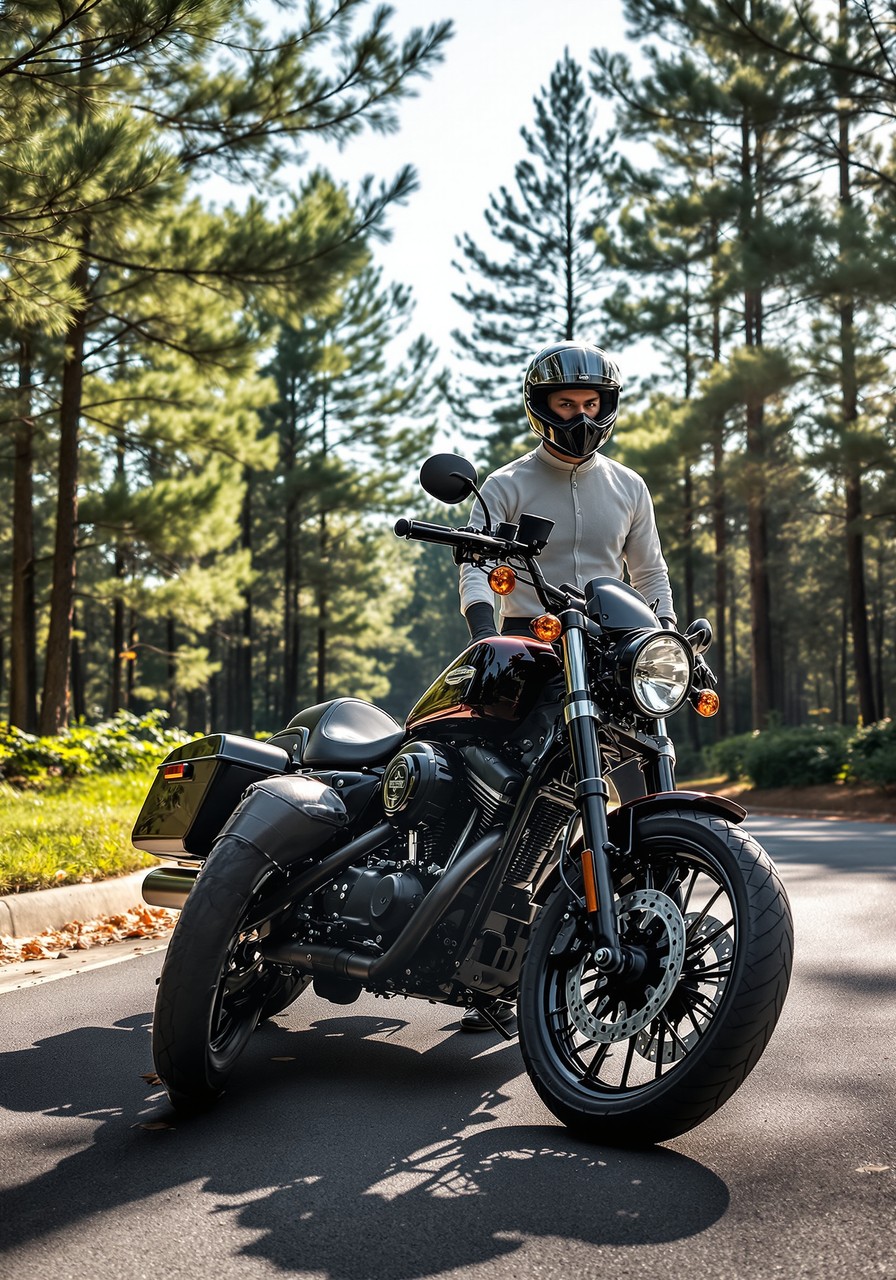
Gear & New Iron
Spongy lever? That is often moisture in your brake fluid, not just air. Fresh fluid restores a firm bite. Do not gamble your stopping power. #RideNationNC #MotorcycleMaintenance #RiderTips
Safety & NC Law
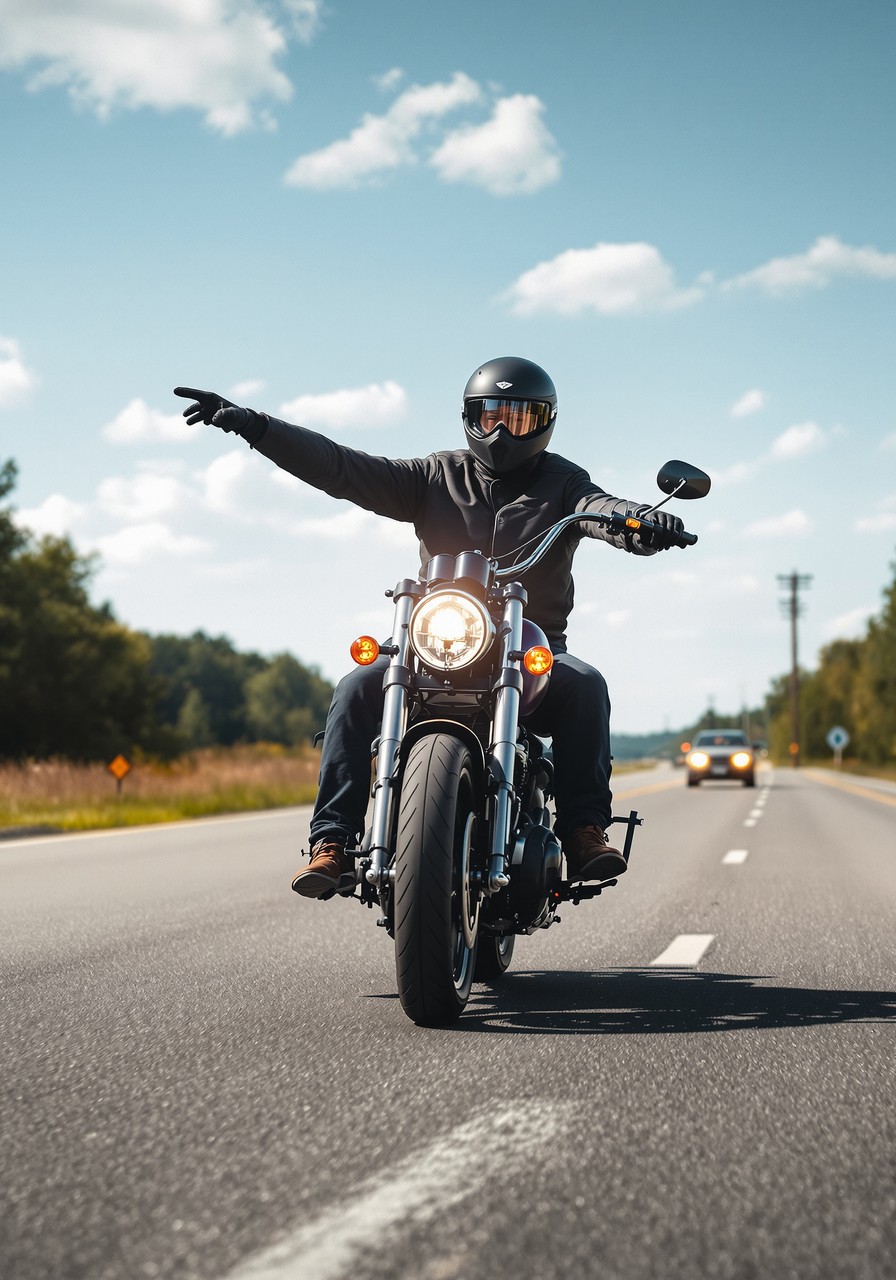
See and be seen. Bright gear, a clean visor, and lane position that keeps you out of blind spots save more riders than horsepower ever will. #RideNationNC #MotorcycleSafety #ATGATT
Engagement
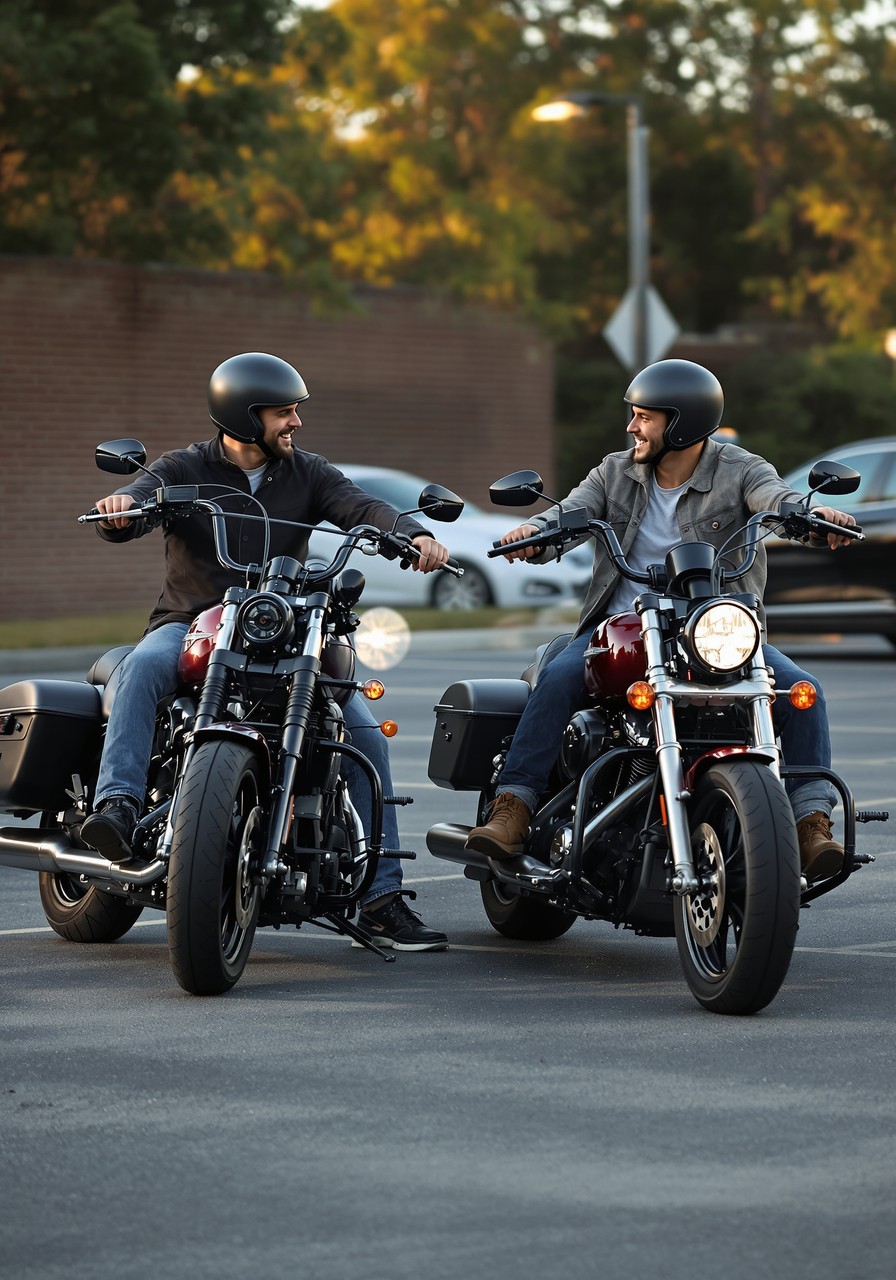
Poll: winter layup. Do you park it for the season or chase every warm day you can get? Vote and explain. #RideNationNC #CarolinaRiders #TwoWheels
Giveaway & Countdown
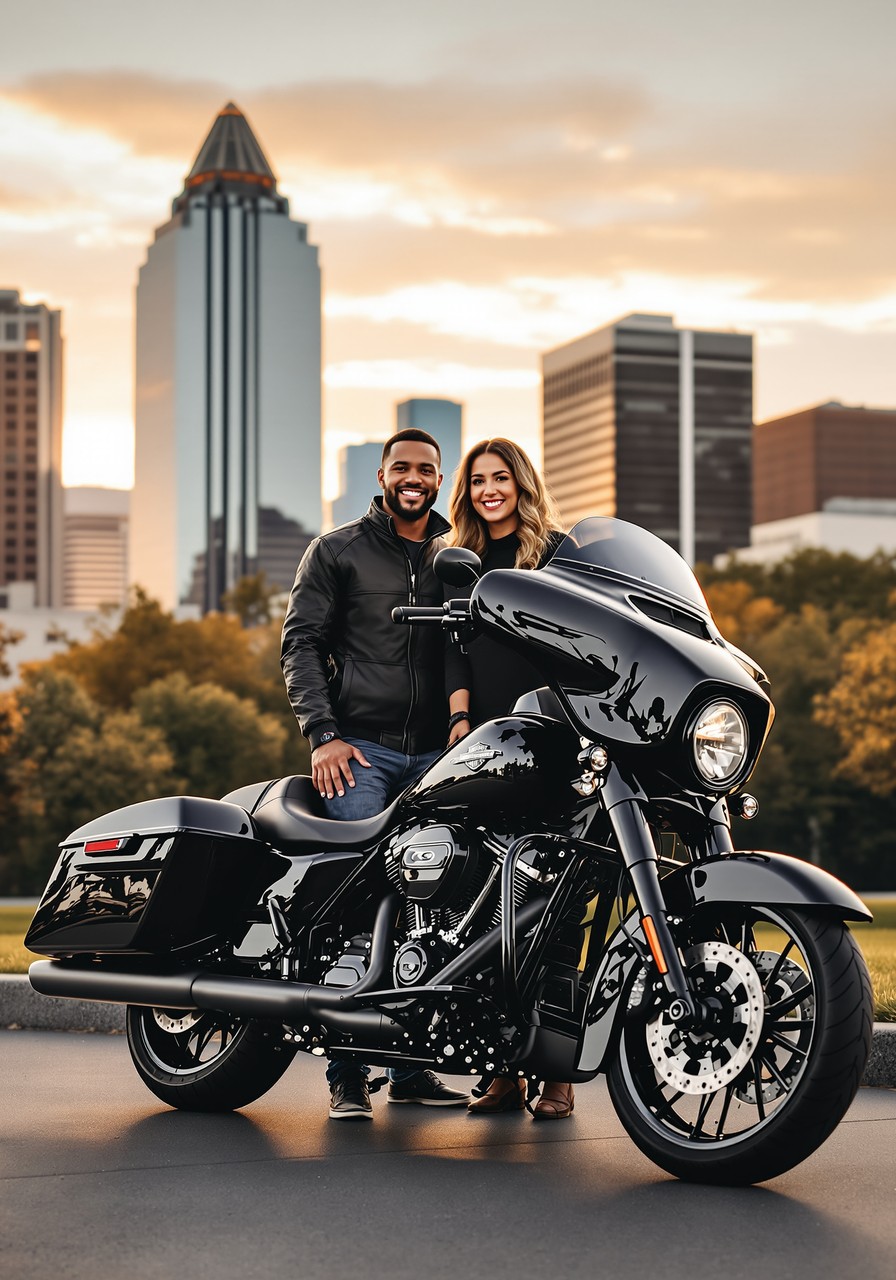
Tag a rider who needs to hear about this. Twenty grand is on the line. #RideNationNC #MotorcycleGiveaway #TheTriangle
Local NC & Rides
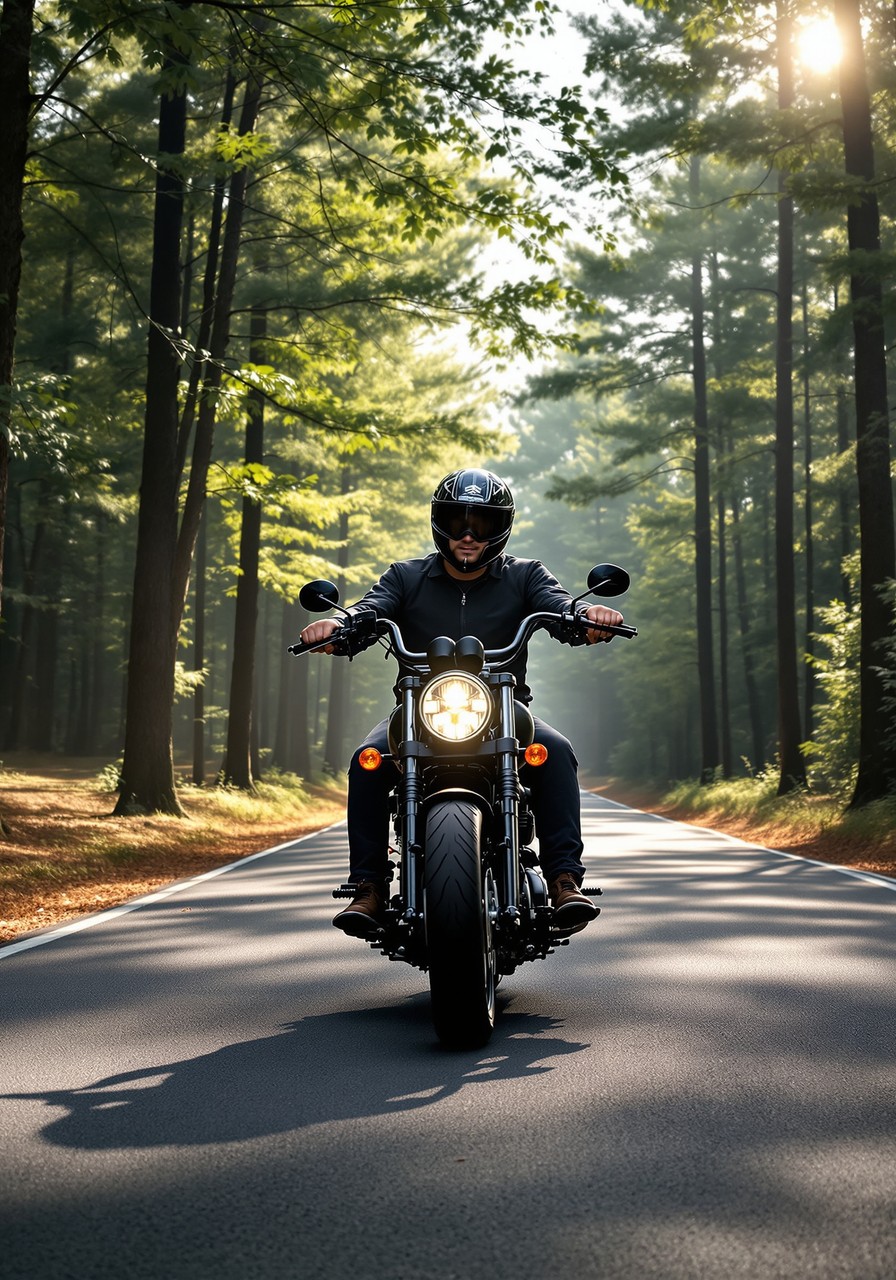
Country backroads out past Jordan Lake collect gravel at every driveway and field entrance. Set your entry speed for the surprise, not the sign. #RideNationNC #JordanLake #MotorcycleRoads
Gear & New Iron
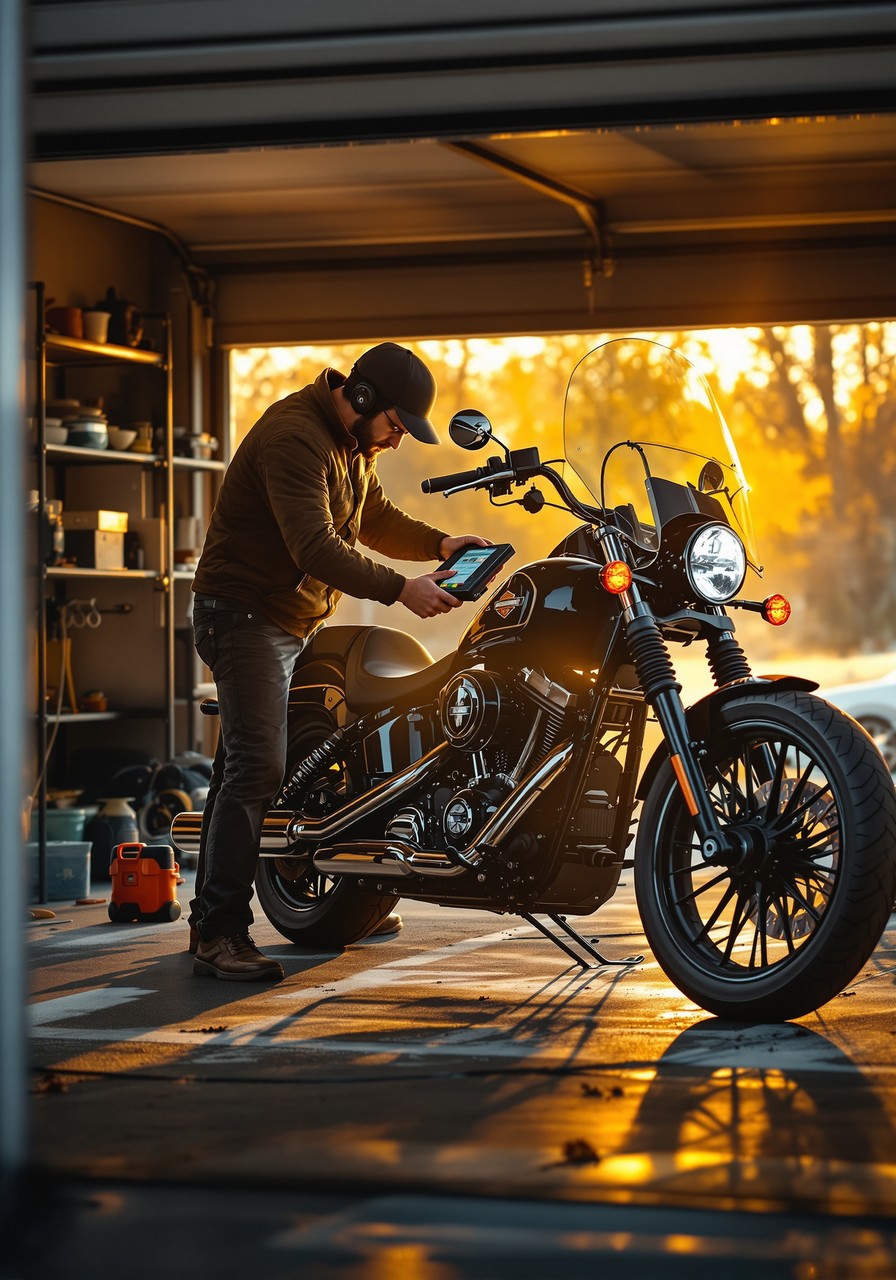
Chain care is 10 minutes that saves your ride. Clean, lube, and check slack every few hundred miles. A dry chain wears the sprockets and robs power. #RideNationNC #MotorcycleMaintenance #RiderTips
Safety & NC Law
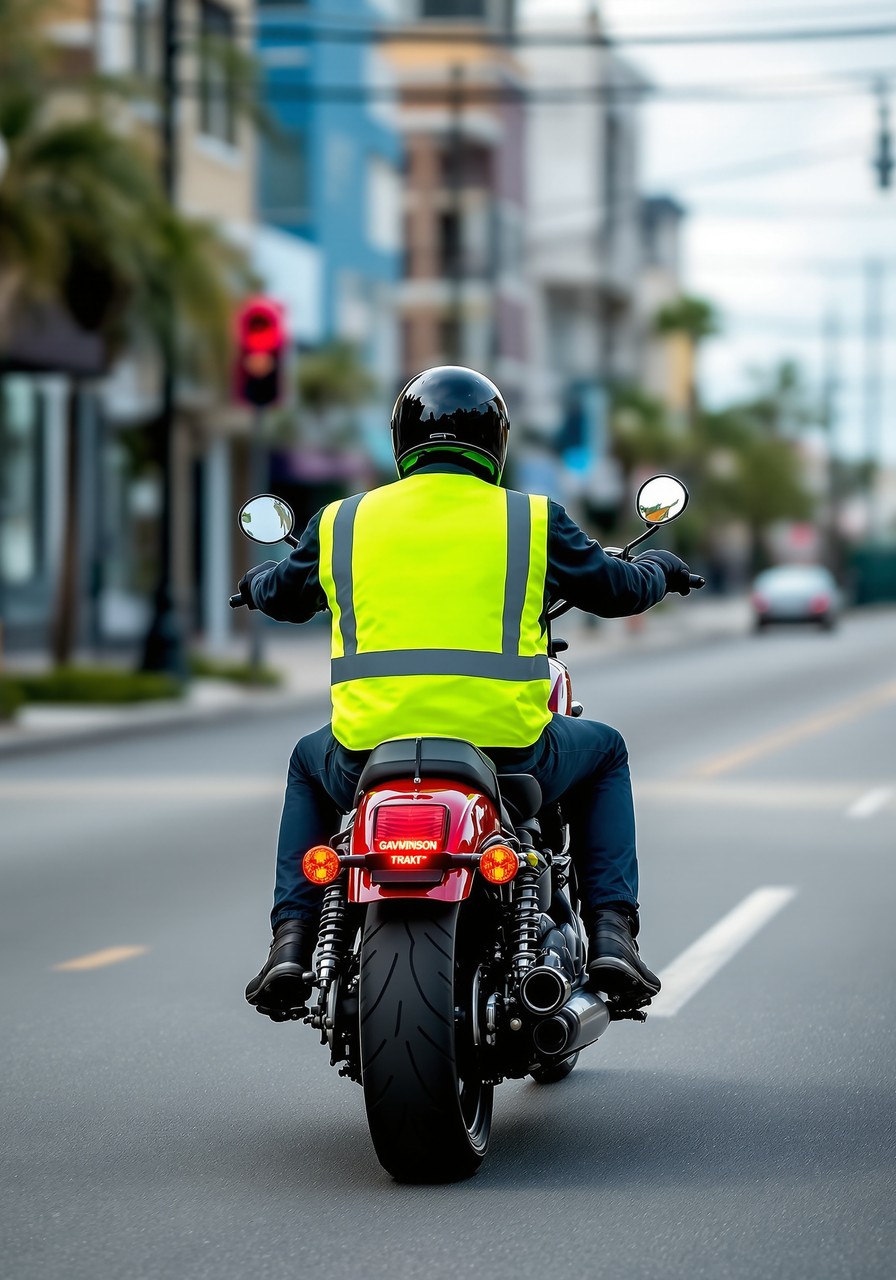
North Carolina is a pure contributory negligence state. If you are found even 1 percent at fault you can recover nothing, so ride like your claim depends on it, because it does. Free case review at lawyernc.com. #RideNationNC #RiderRights #KnowYourRights
Engagement
Finish it: the best part of riding in North Carolina is ______. #RideNationNC #NorthCarolinaRiders #BlueRidgeParkway
Giveaway & Countdown
Free to enter, big to win. That is our kind of giveaway. #RideNationNC #BikersWin #NorthCarolinaRiders
Local NC & Rides
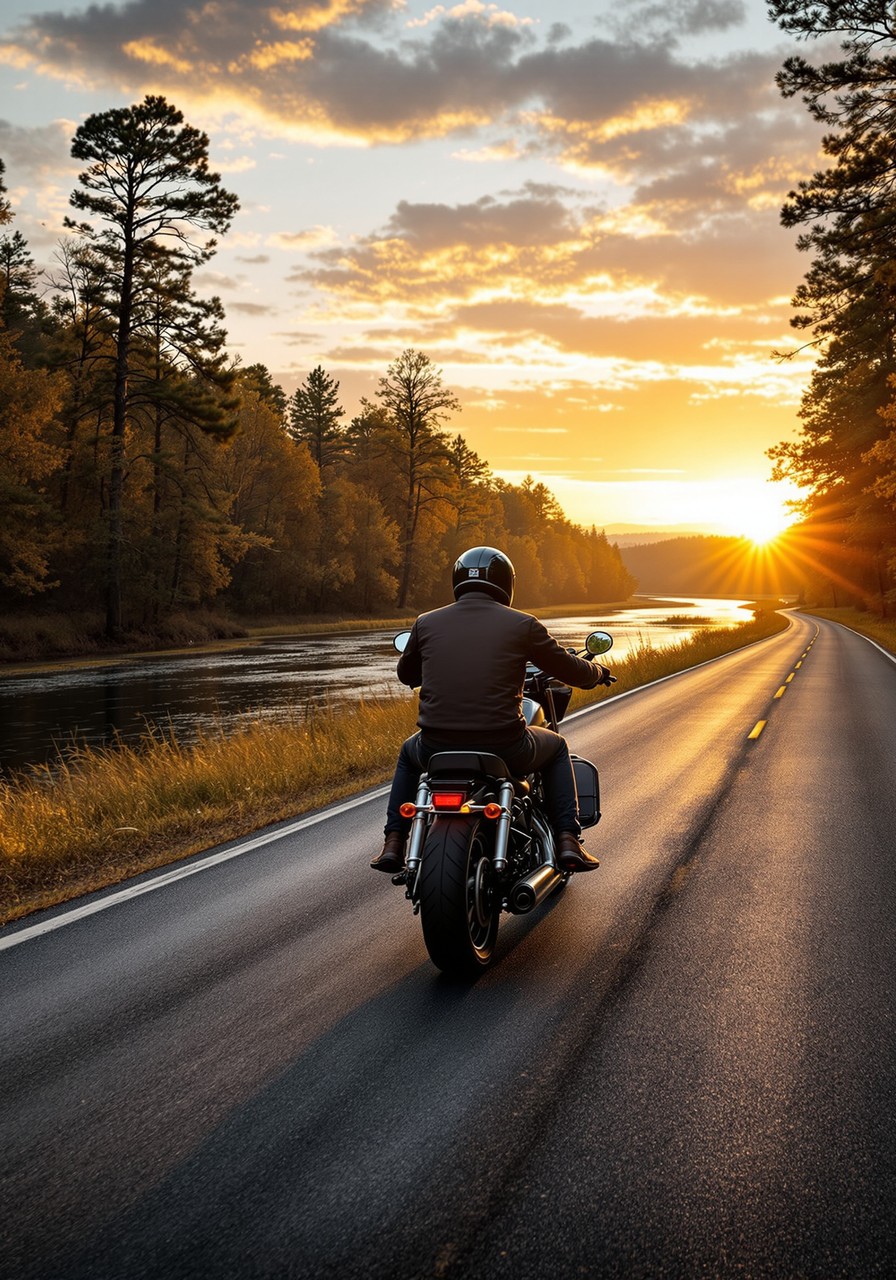
Deer move at dawn and dusk all over Chatham and Wake County, and winter pushes them near the road. Ease off in the low light and cover the brake. #RideNationNC #CarolinaRiders #NorthCarolinaRiders
Gear & New Iron
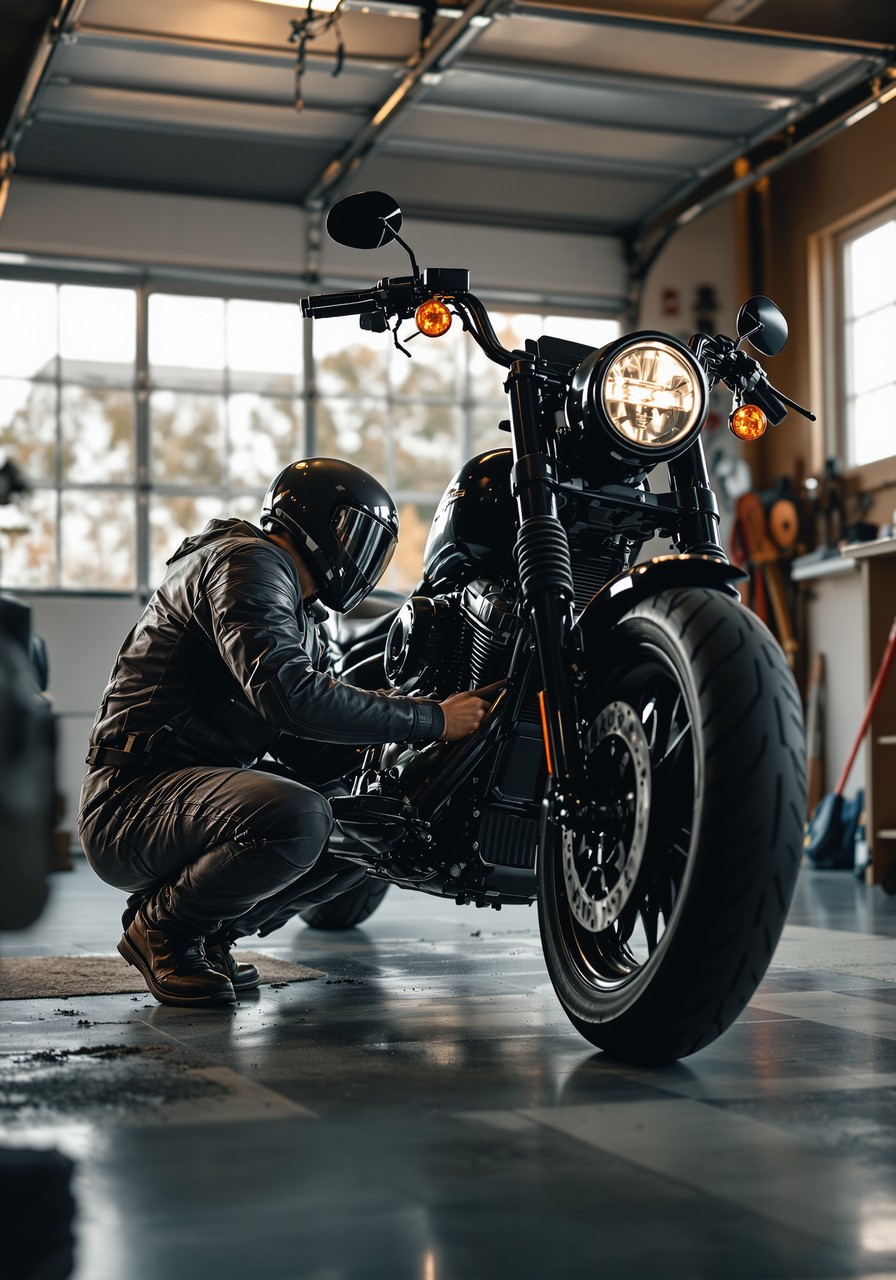
Lube the chain when it is warm, right after a ride, so it works into the links. Wipe the excess so it does not fling all over your rear wheel. #RideNationNC #MotorcycleMaintenance #RiderTips
Safety & NC Law
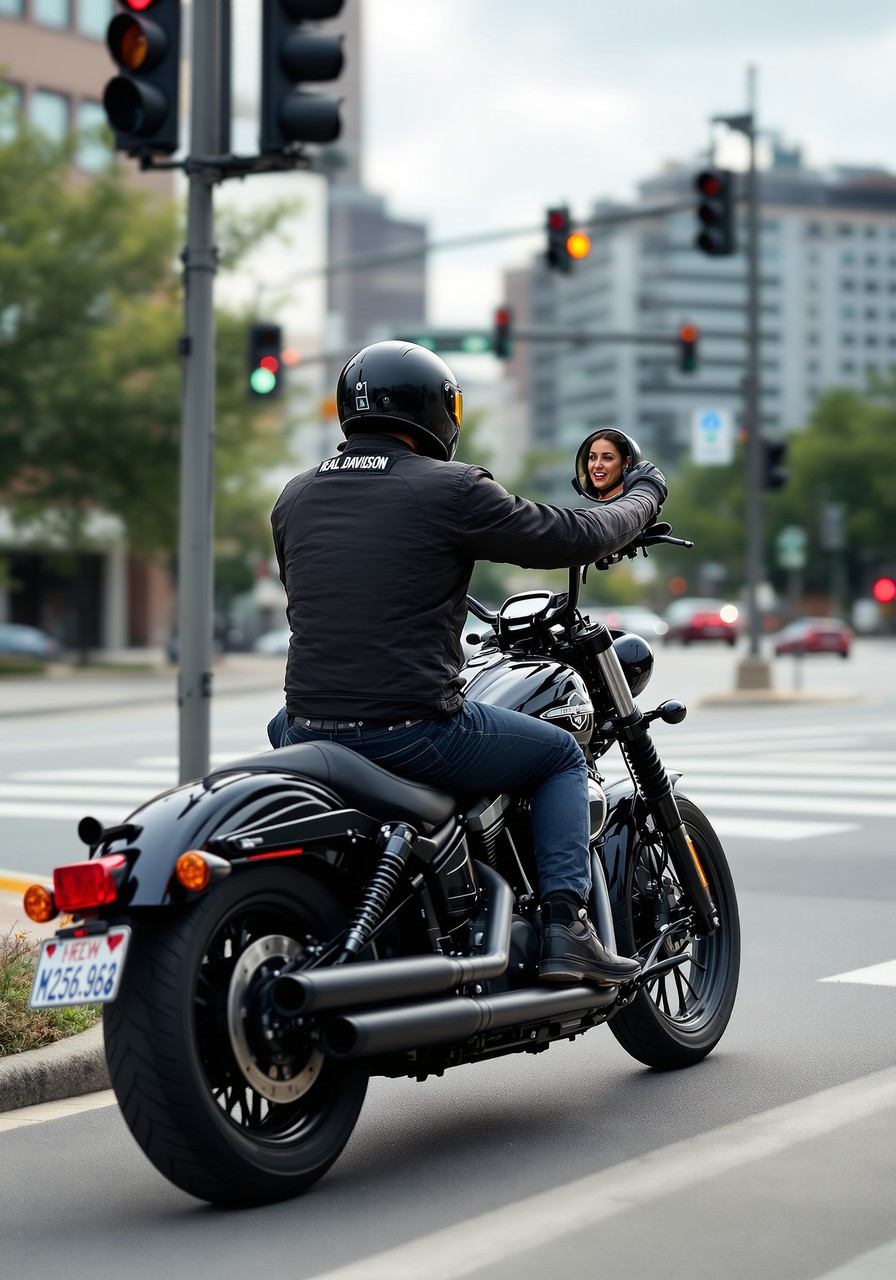
Spring pollen turns Triangle curves into a slick yellow film, especially on the first rain after a dry stretch. Ease off and give yourself room. #RideNationNC #MotorcycleSafety #TheTriangle
Engagement
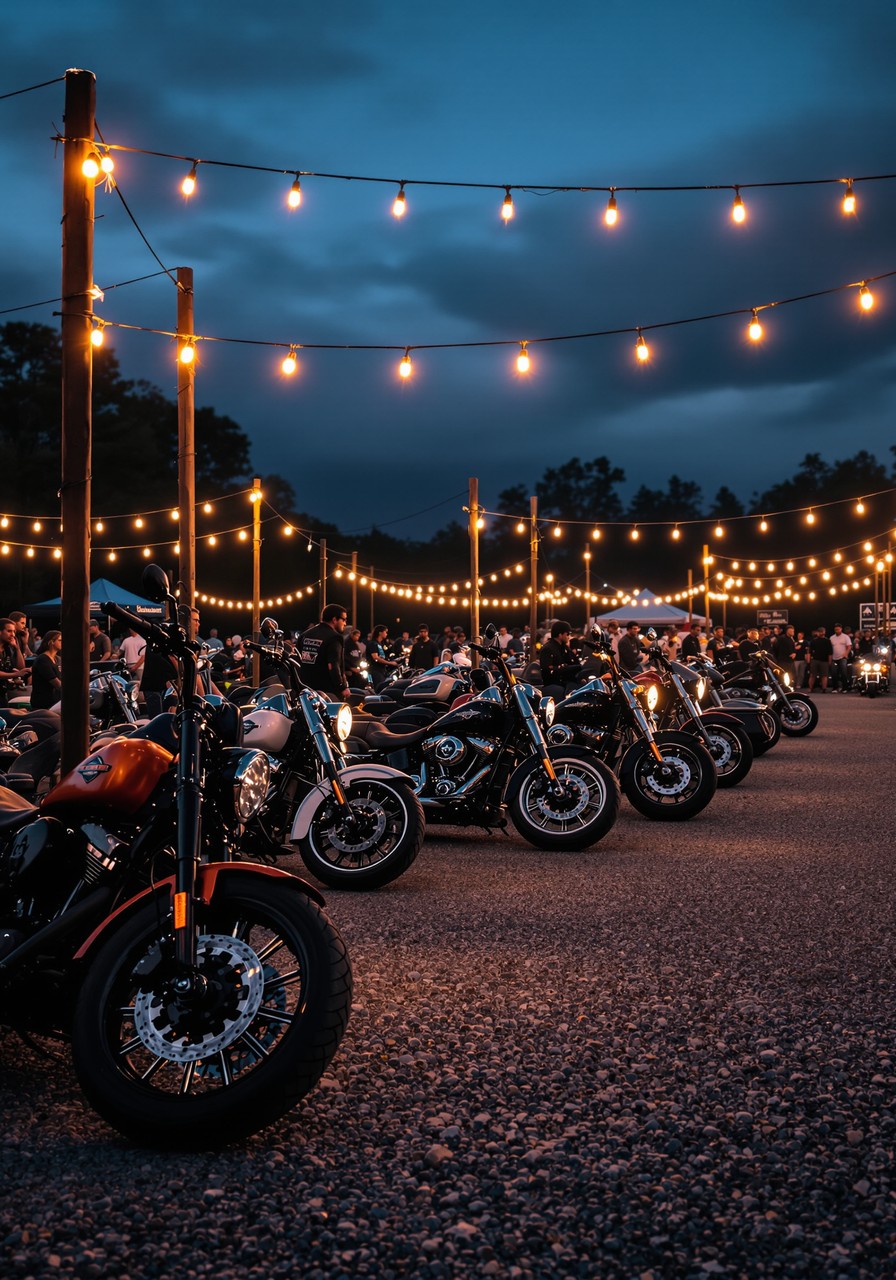
Tag your favorite two-up passenger. The one who leans the right way every time. #RideNationNC #RideOrDie #TwoWheels
Giveaway & Countdown
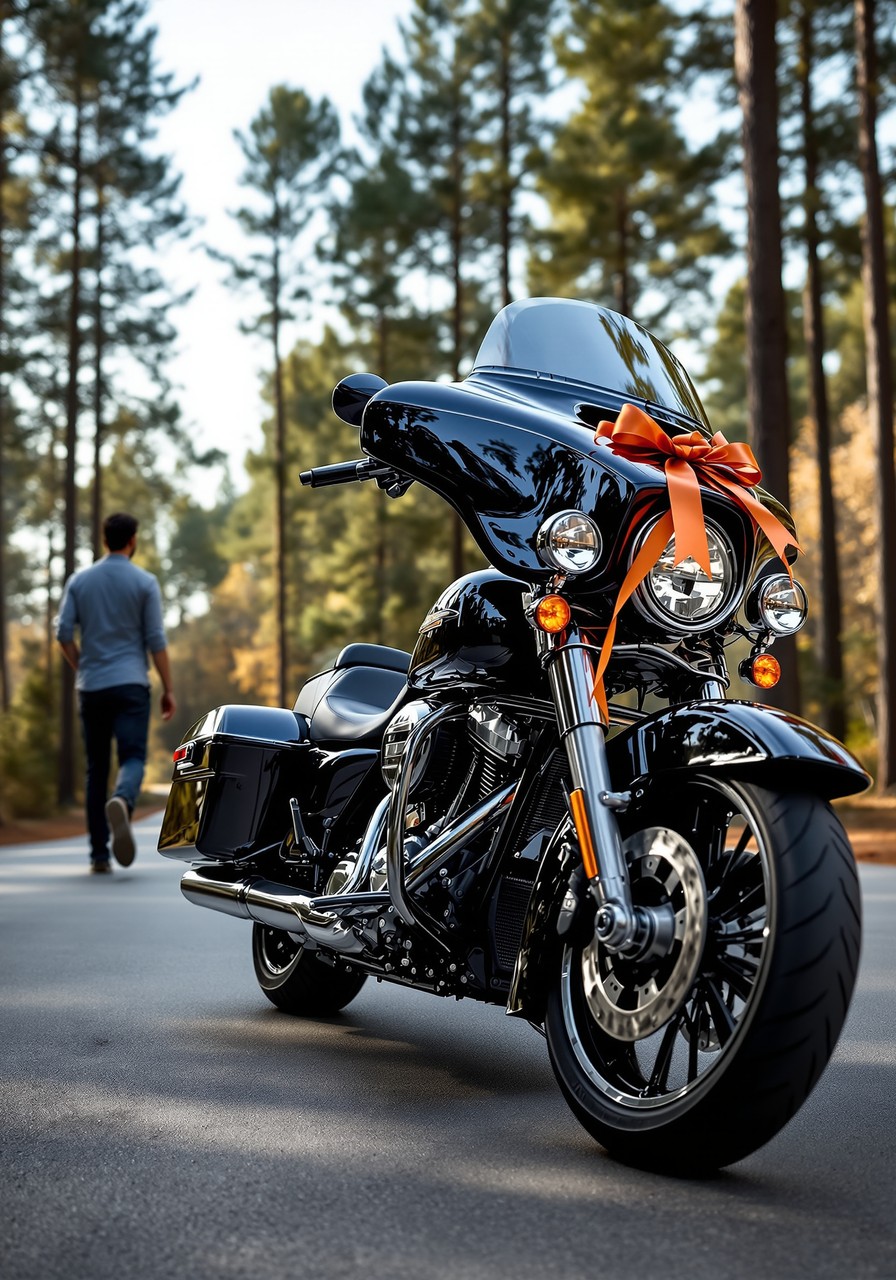
Momentum is building across the Triangle. Can you feel it? $20K BikersWin. #RideNationNC #20kGiveaway #RaleighRiders
Local NC & Rides
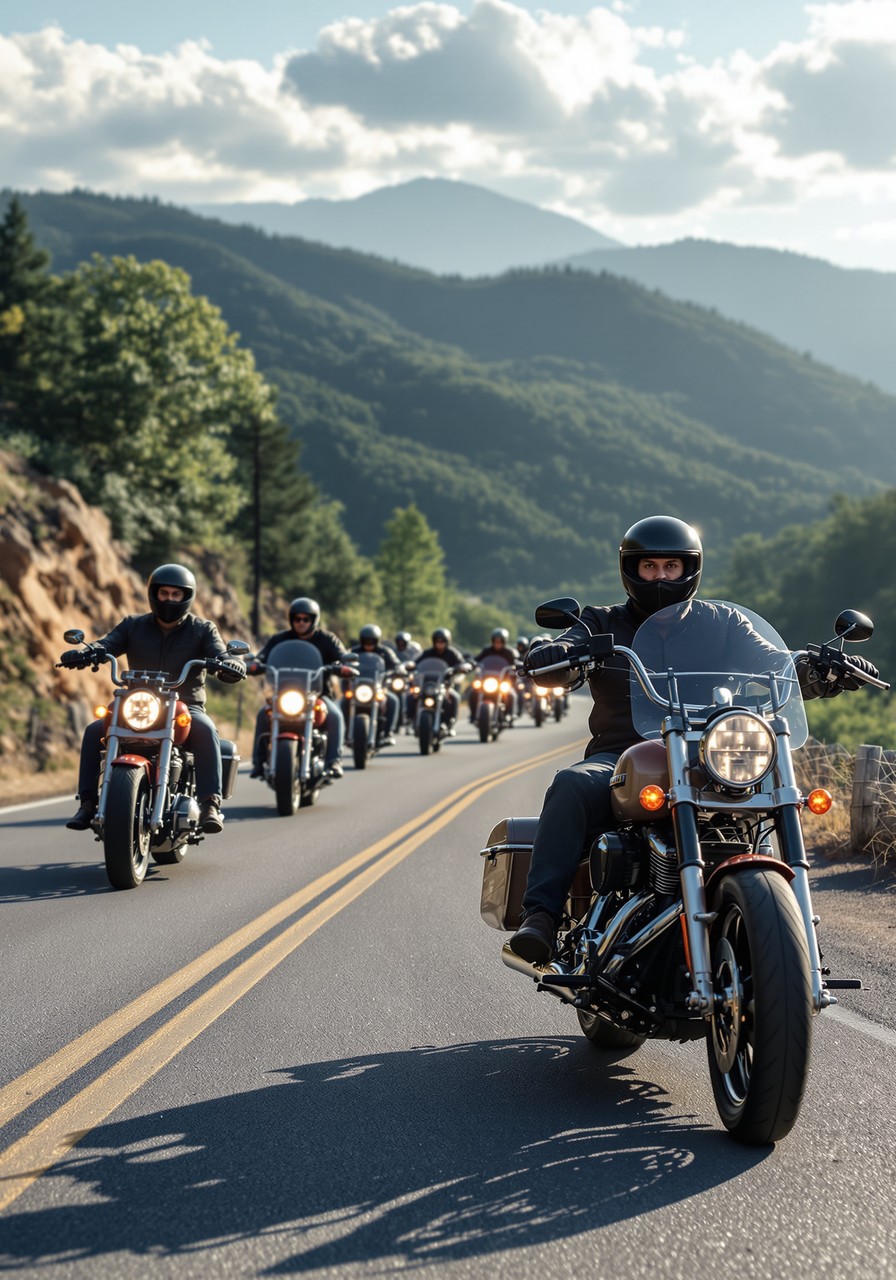
A Carolina afternoon can go from sun to downpour in minutes, especially heading toward the mountains. Pack the rain gear even when the morning looks clean. #RideNationNC #NorthCarolinaRiders #BlueRidgeParkway
Gear & New Iron
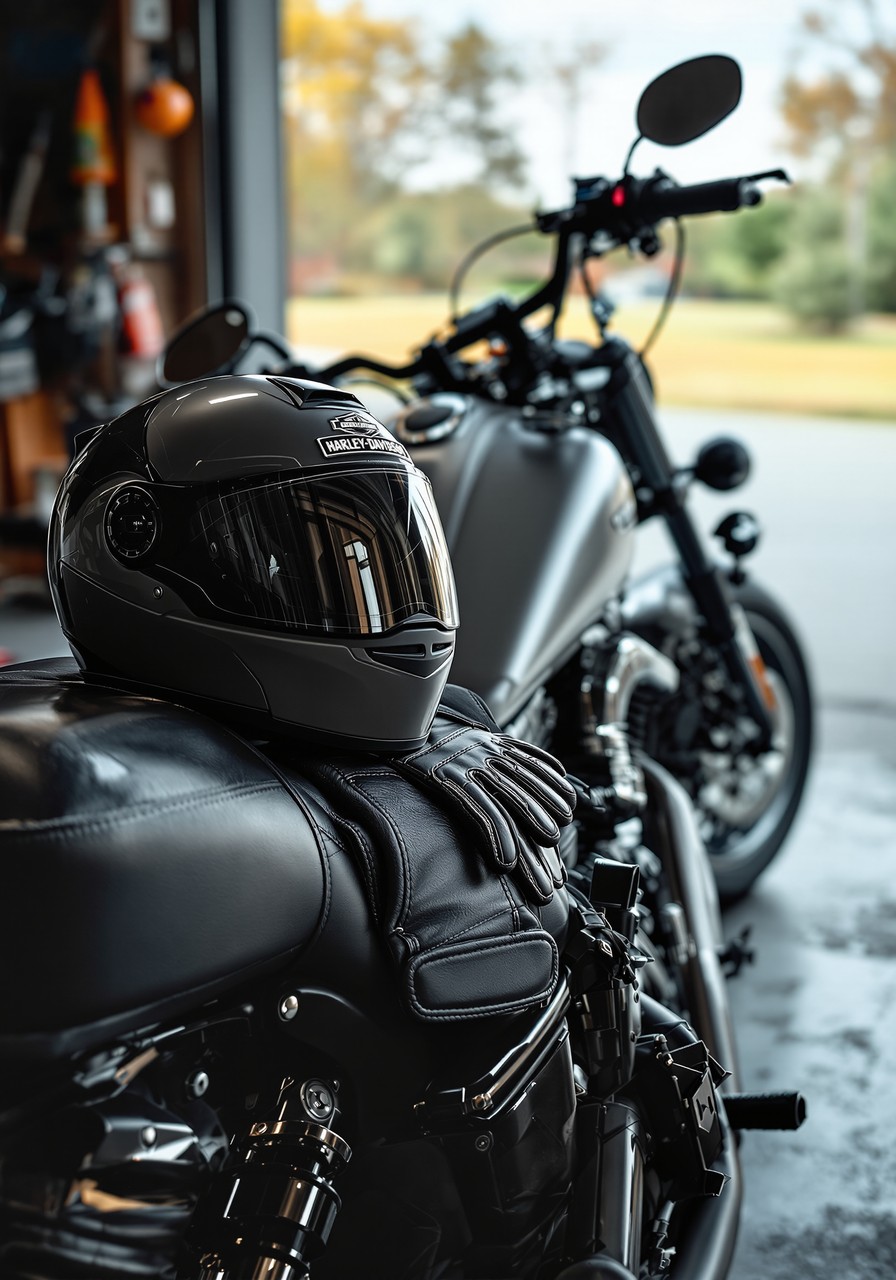
NC humidity is a rust factory. Wipe down bare metal, keep a light coat of protectant on chrome and forks, and never park a wet bike in a closed garage. #RideNationNC #MotorcycleMaintenance #RiderTips
Safety & NC Law
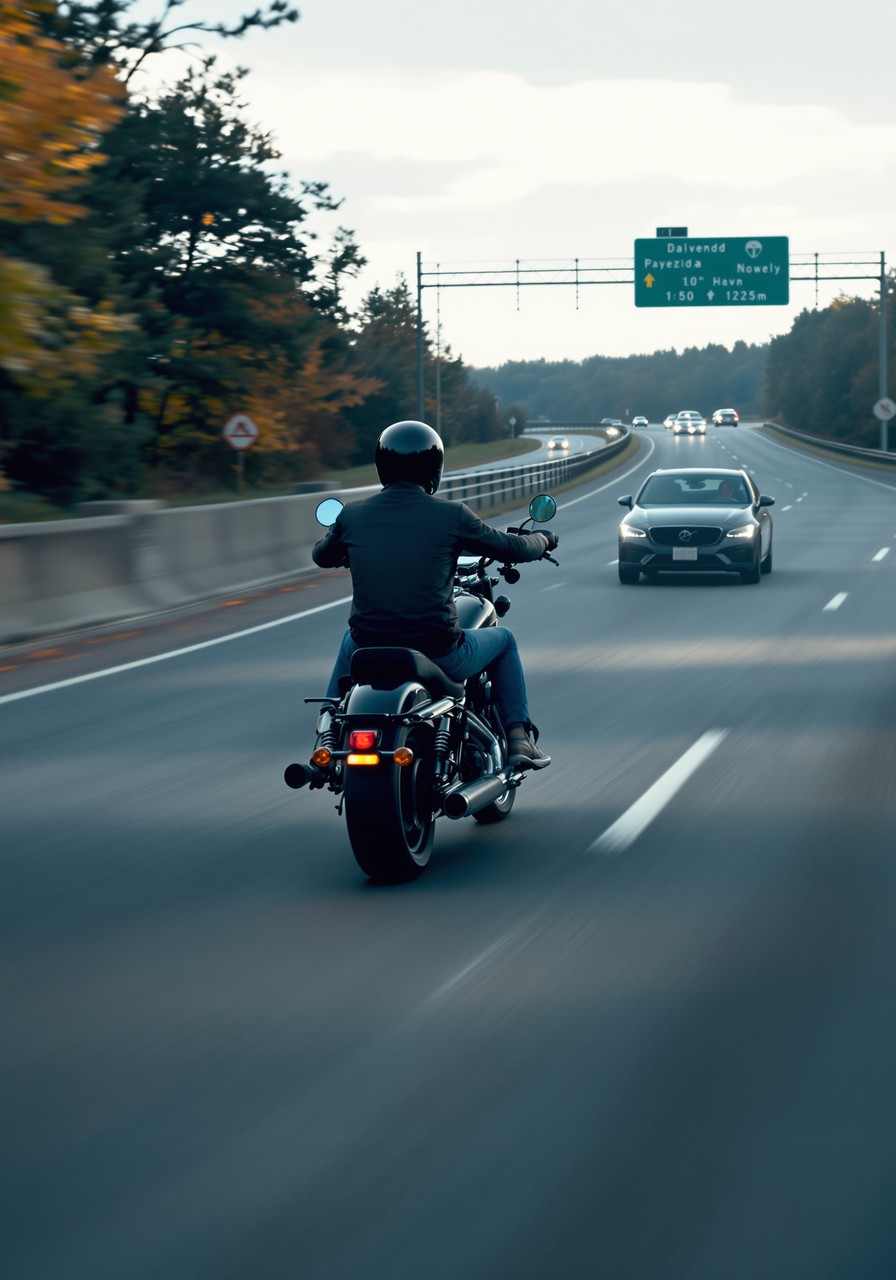
ATGATT is not about looking hardcore. Helmet, gloves, jacket, boots. Skin heals slower than pride, and the road does not care. #RideNationNC #ATGATT #MotorcycleSafety
Engagement
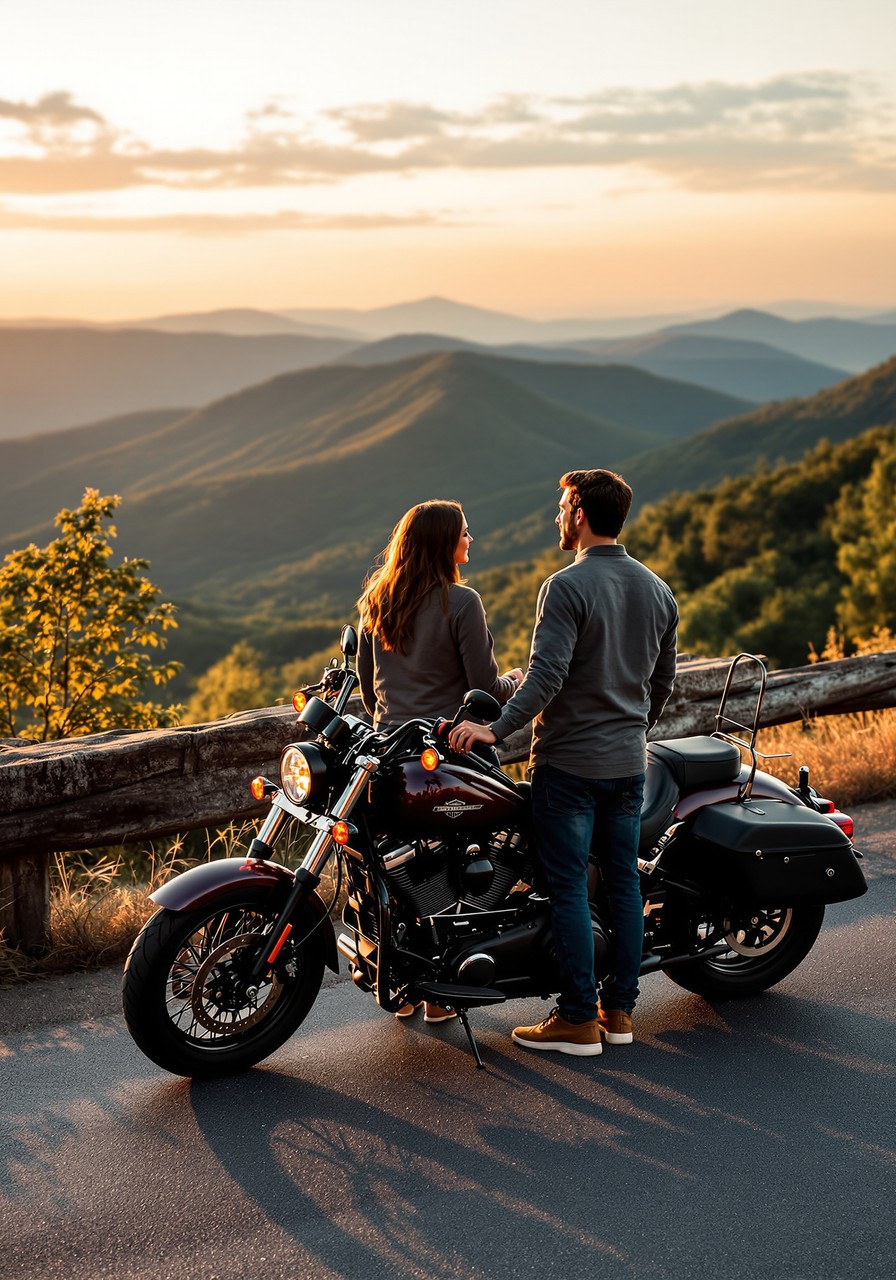
This or that: sunrise start or golden-hour cruise. When do you ride best? #RideNationNC #CarolinaRiders #RaleighRiders
Giveaway & Countdown
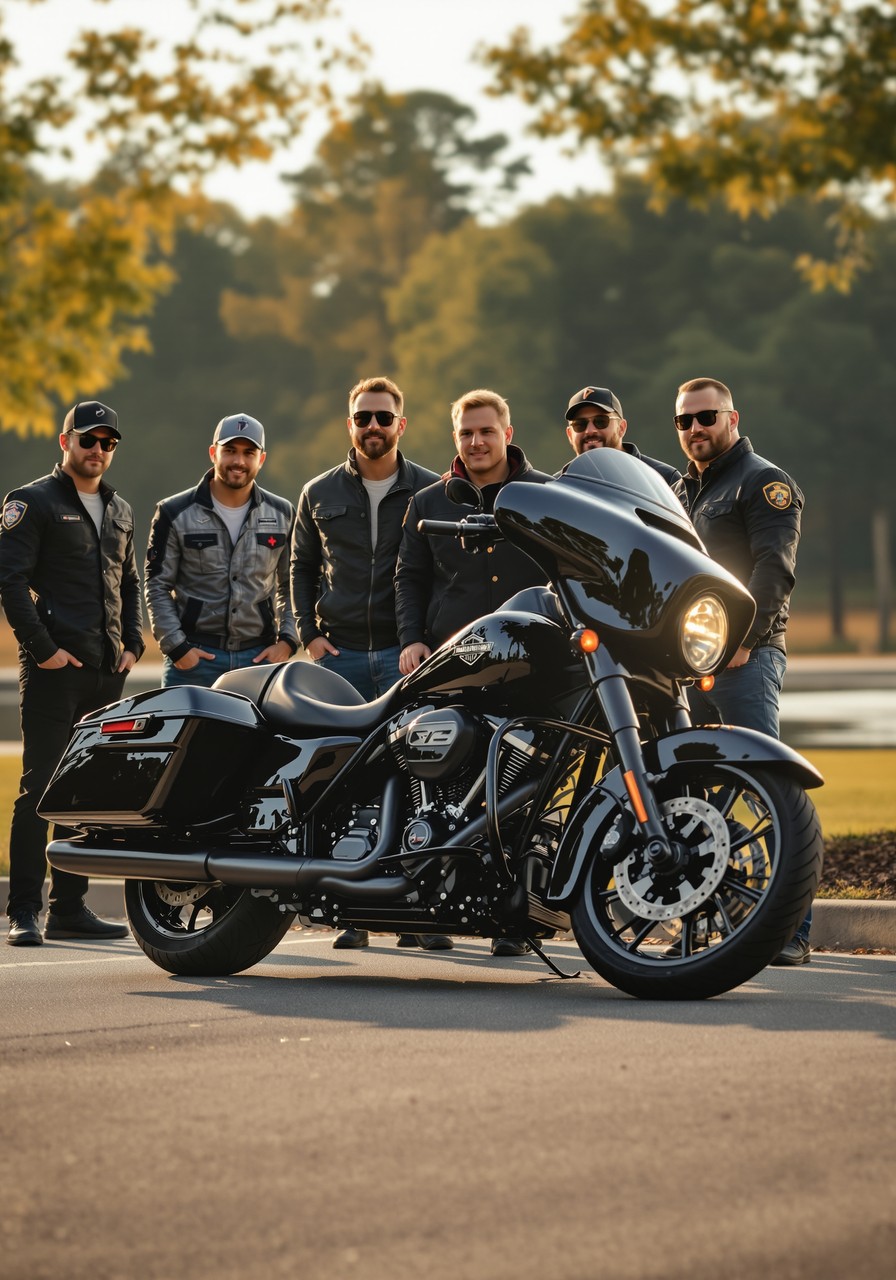
Winner energy only from here on out. The $20,000 giveaway is live. #RideNationNC #BikersWin #MotorcycleGiveaway
Local NC & Rides
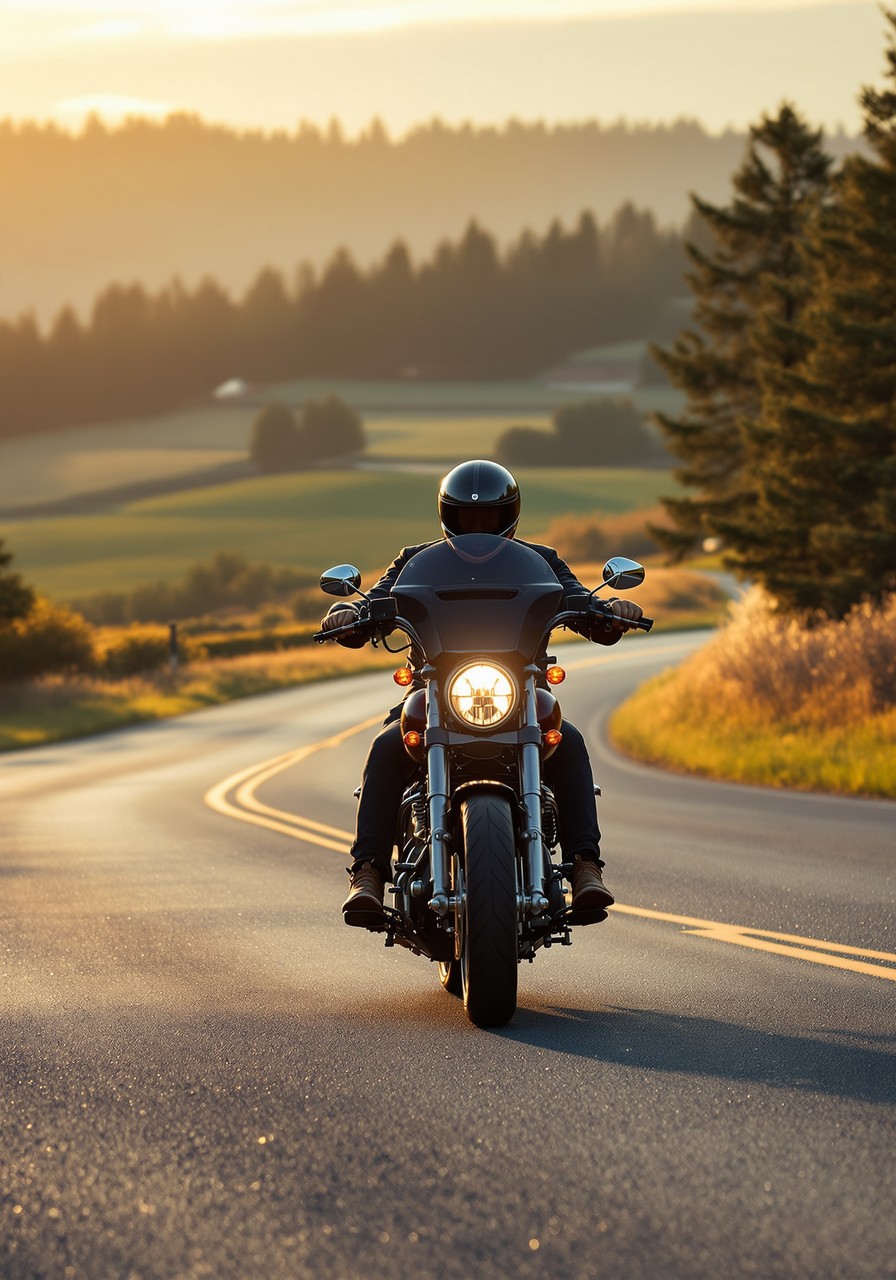
First warm bike night of the season is worth showing up for. Roll out, say hey, and swap winter stories in the Triangle instead of the group chat. #RideNationNC #RaleighRiders #TheTriangle
Gear & New Iron
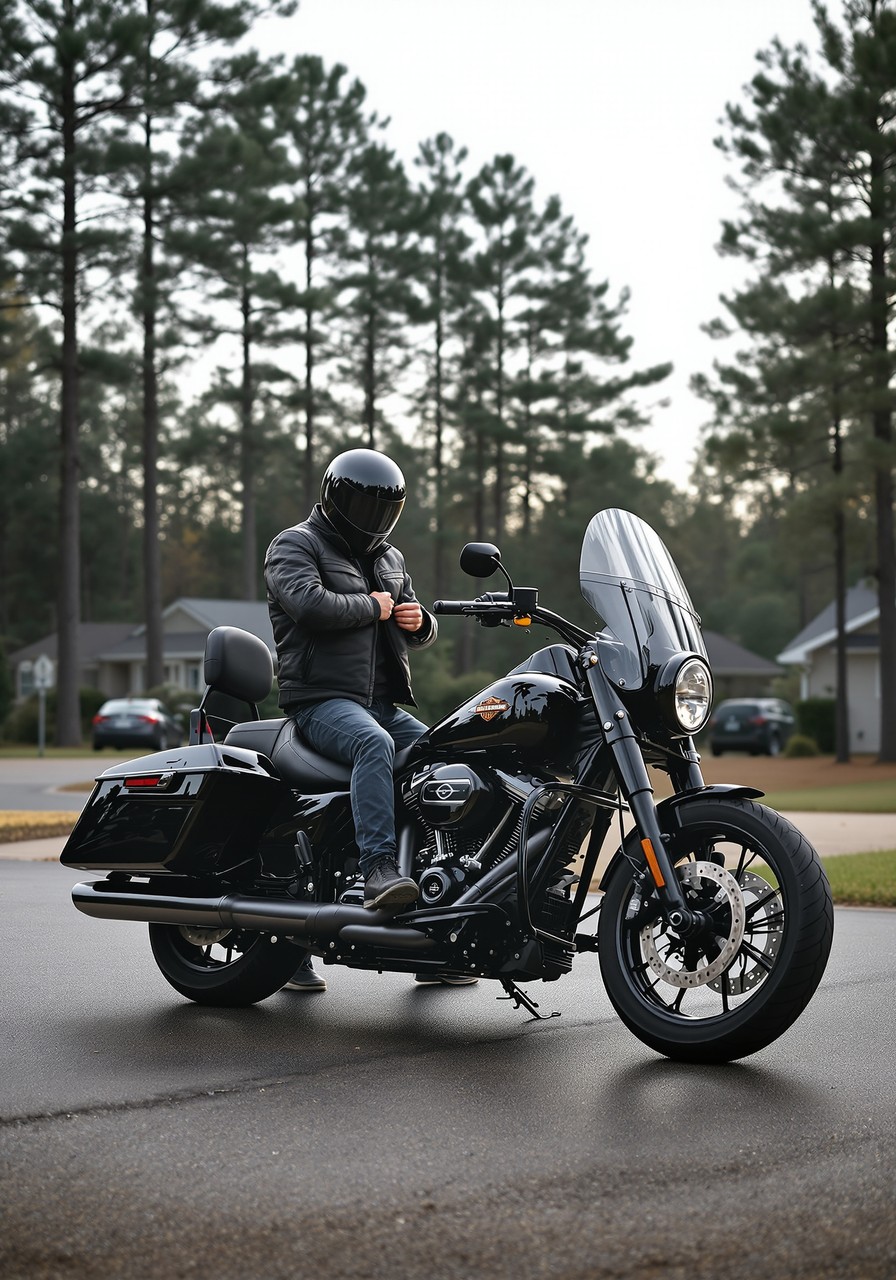
Sweat is corrosive too. After a humid summer ride, a quick wipe of the bars, levers, and pegs keeps rust off the parts your hands touch most. #RideNationNC #MotorcycleMaintenance #BikerLife
Safety & NC Law
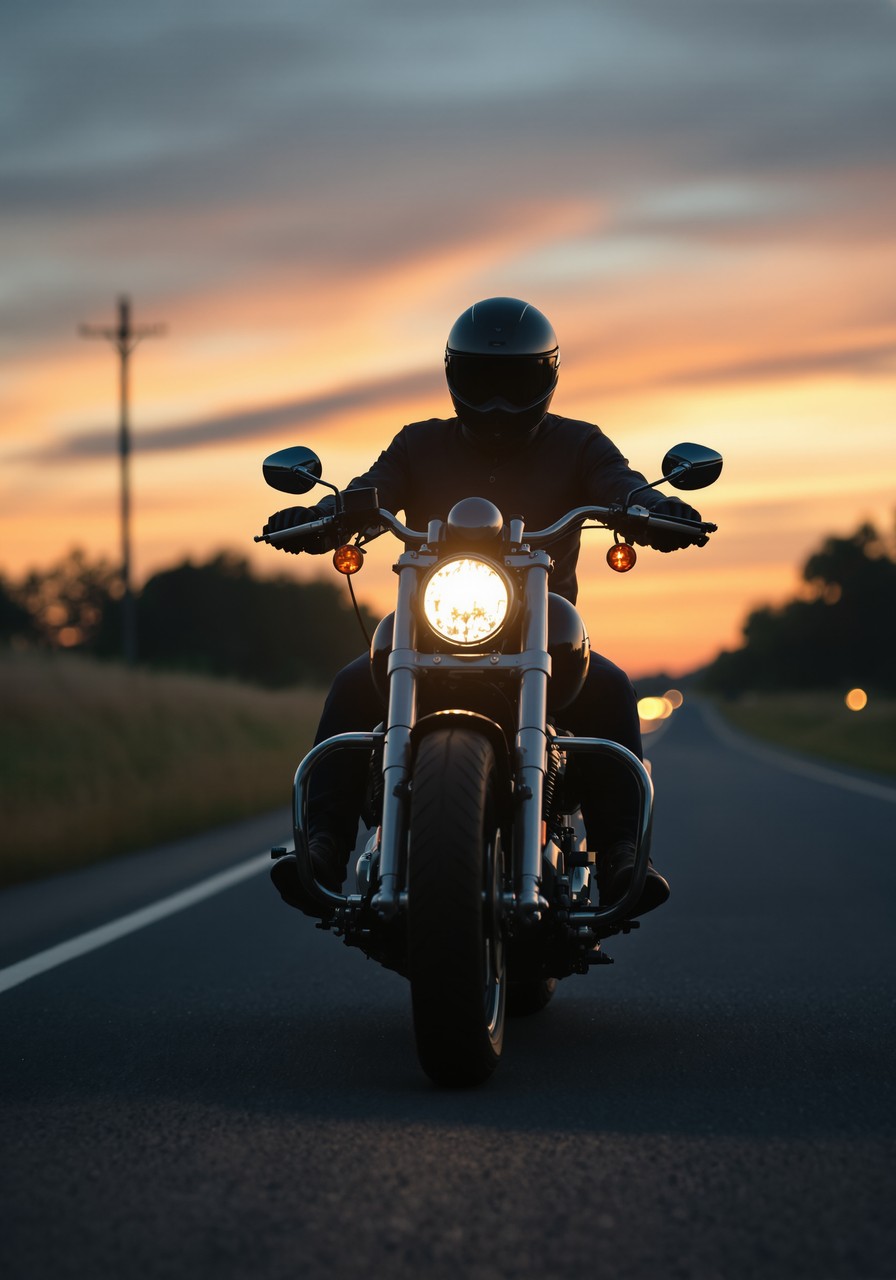
North Carolina gives you 3 years to file a personal injury claim, but memories and evidence do not wait. Learn your rights early at lawyernc.com. #RideNationNC #KnowYourRights #RiderRights
Engagement
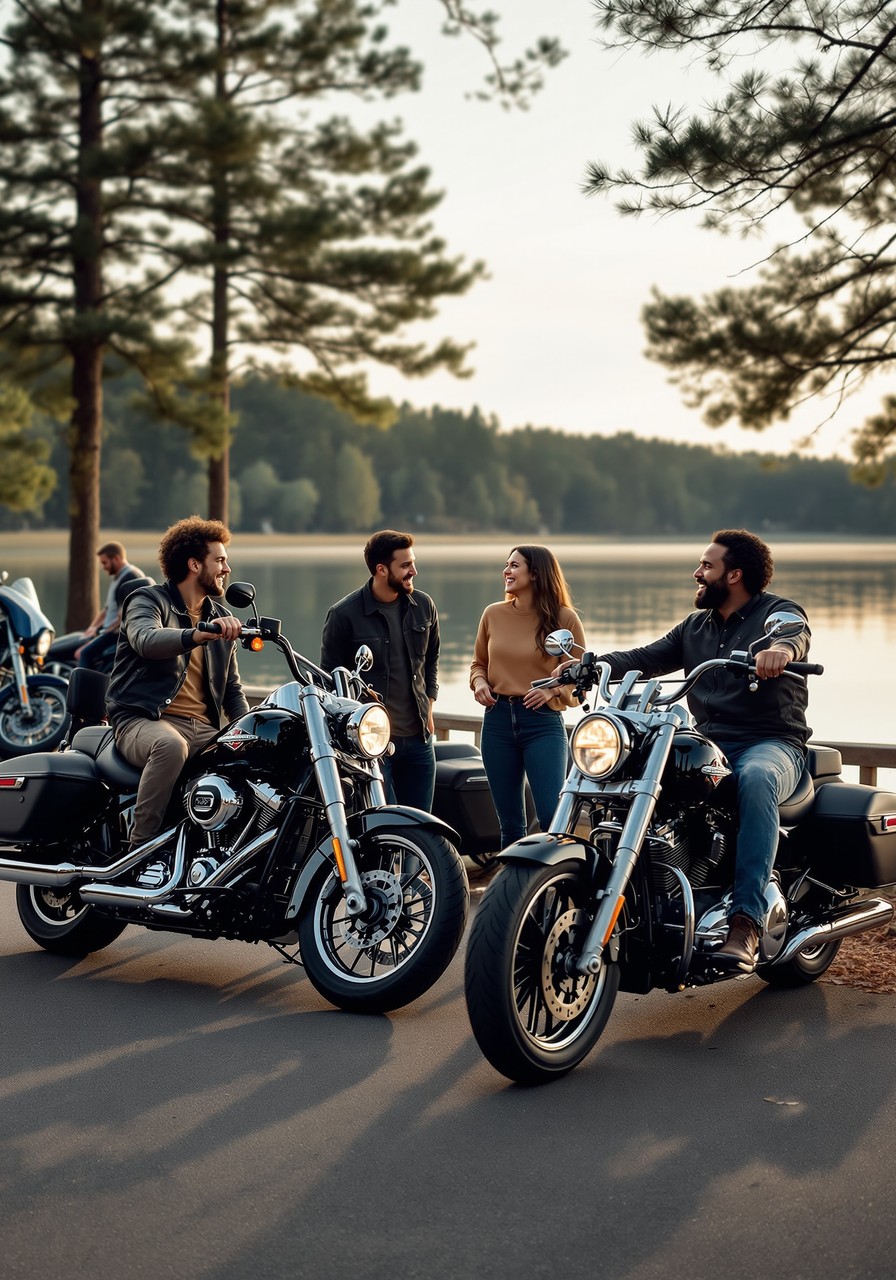
One song that has to be in your helmet on a long ride. Drop it below. #RideNationNC #TwoWheels #NorthCarolinaRiders
Giveaway & Countdown
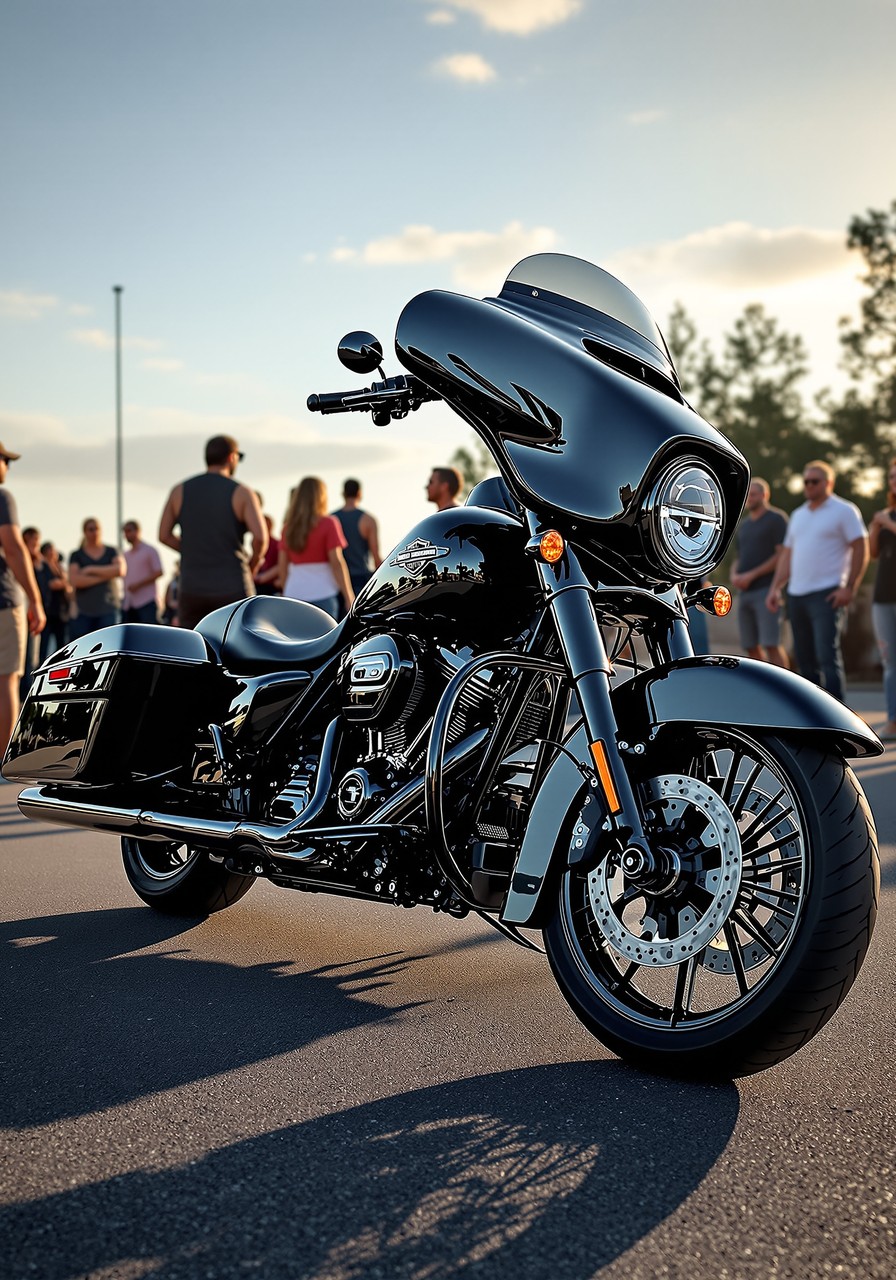
Share this with your crew. The more riders who know, the bigger this gets. #RideNationNC #20kGiveaway #TheTriangle
Local NC & Rides
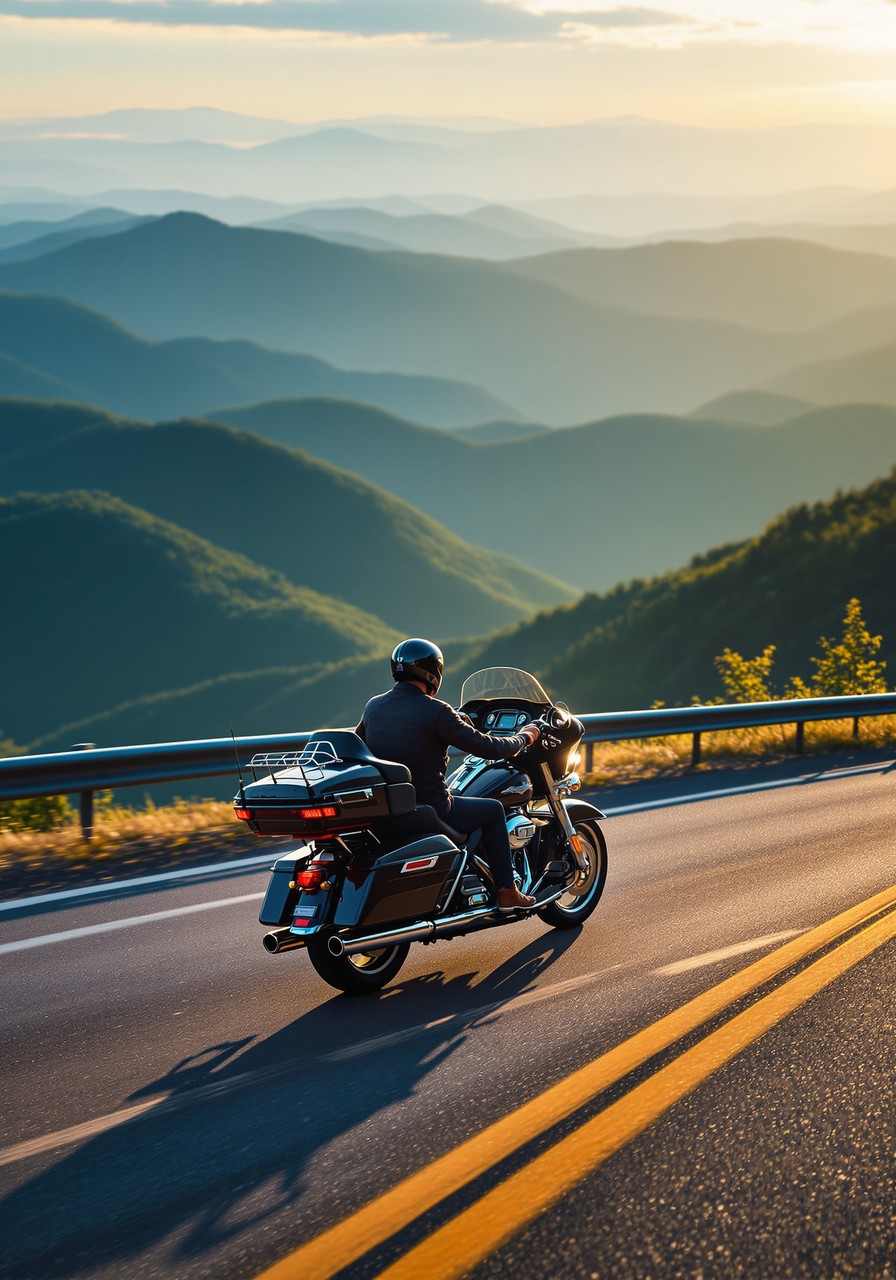
A cold snap does not mean the season is over, it just means you check the thermometer before you check the mirror. Below freezing, let the roads warm up first. #RideNationNC #CarolinaRiders #NorthCarolinaRiders
Gear & New Iron
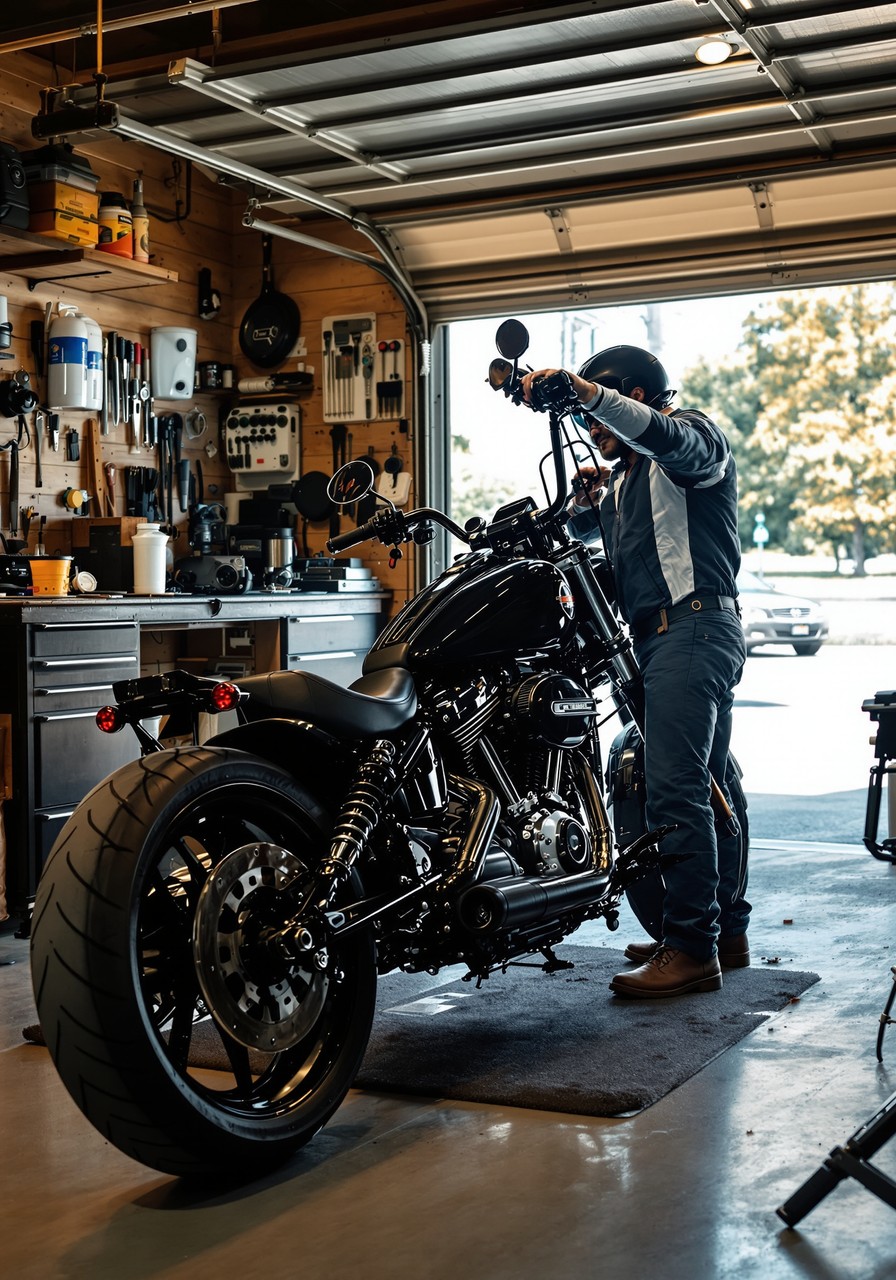
Storing the bike for winter? Fill the tank and add fuel stabilizer, then run it a few minutes so it reaches the carbs or injectors. Stale ethanol gas gums everything up. #RideNationNC #MotorcycleMaintenance #ColdWeatherRiding
Safety & NC Law
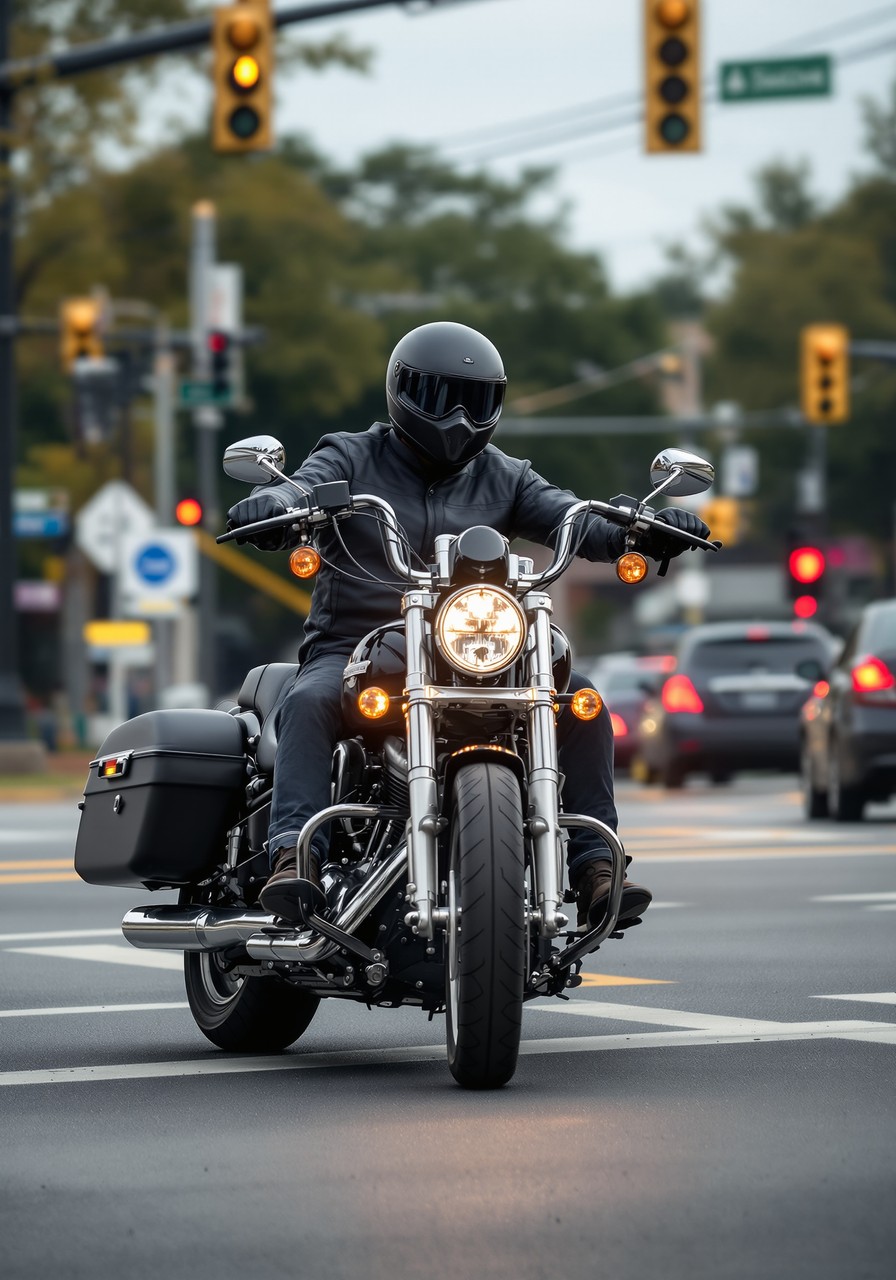
Black ice hides on Triangle bridge decks long after the road looks dry. Slow down before the bridge, not on it. #RideNationNC #MotorcycleSafety #TheTriangle
Engagement
Caption this: your riding boots by the door in December, not going anywhere. #RideNationNC #CarolinaRiders #RaleighRiders
Giveaway & Countdown
Twenty thousand dollars for a fellow rider. Let that sink in. #RideNationNC #MotorcycleGiveaway #NorthCarolinaRiders
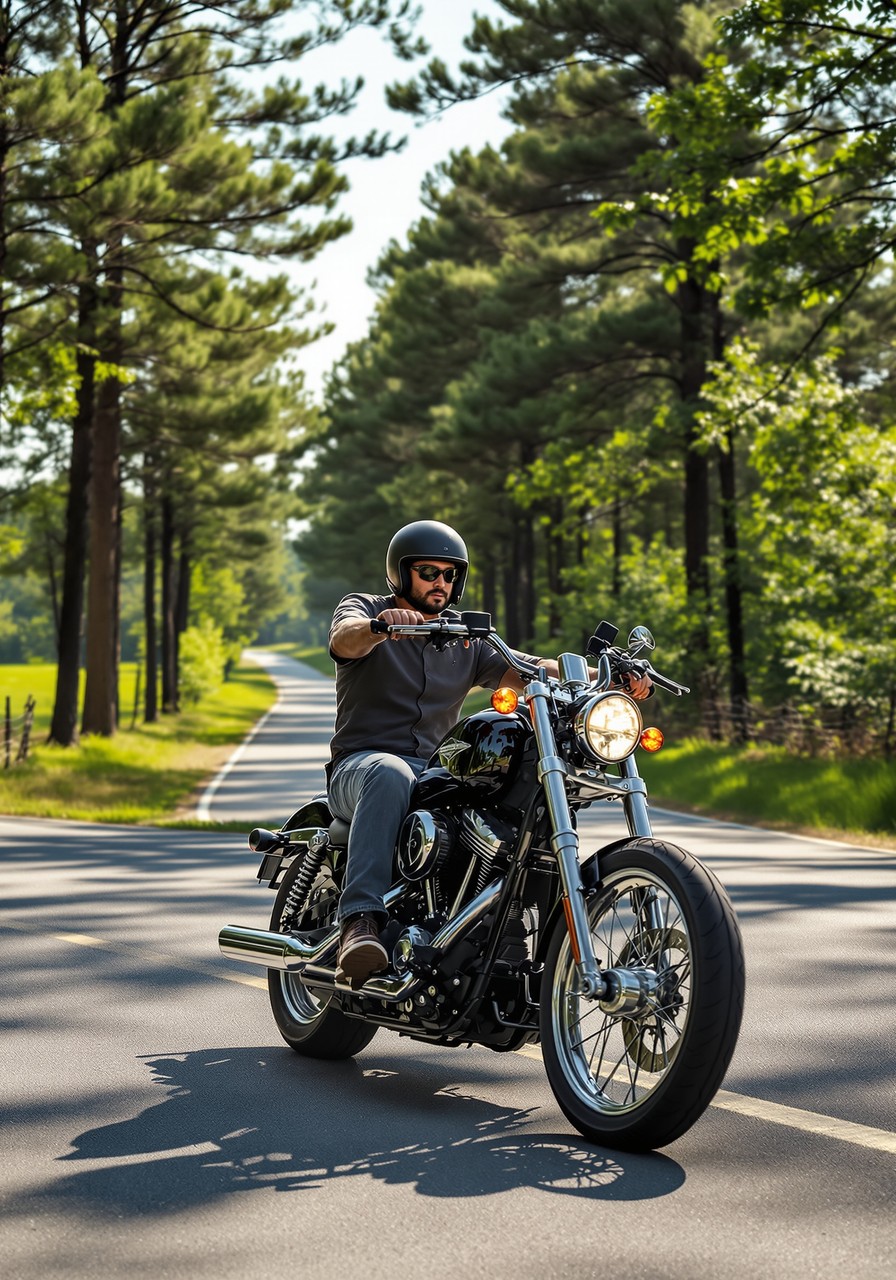
Local NC & Rides
The Parkway does not fully open until spring and sections close for weather without much notice. Check the closures before you plan the whole day around it. #RideNationNC #BlueRidgeParkway #NorthCarolinaRiders
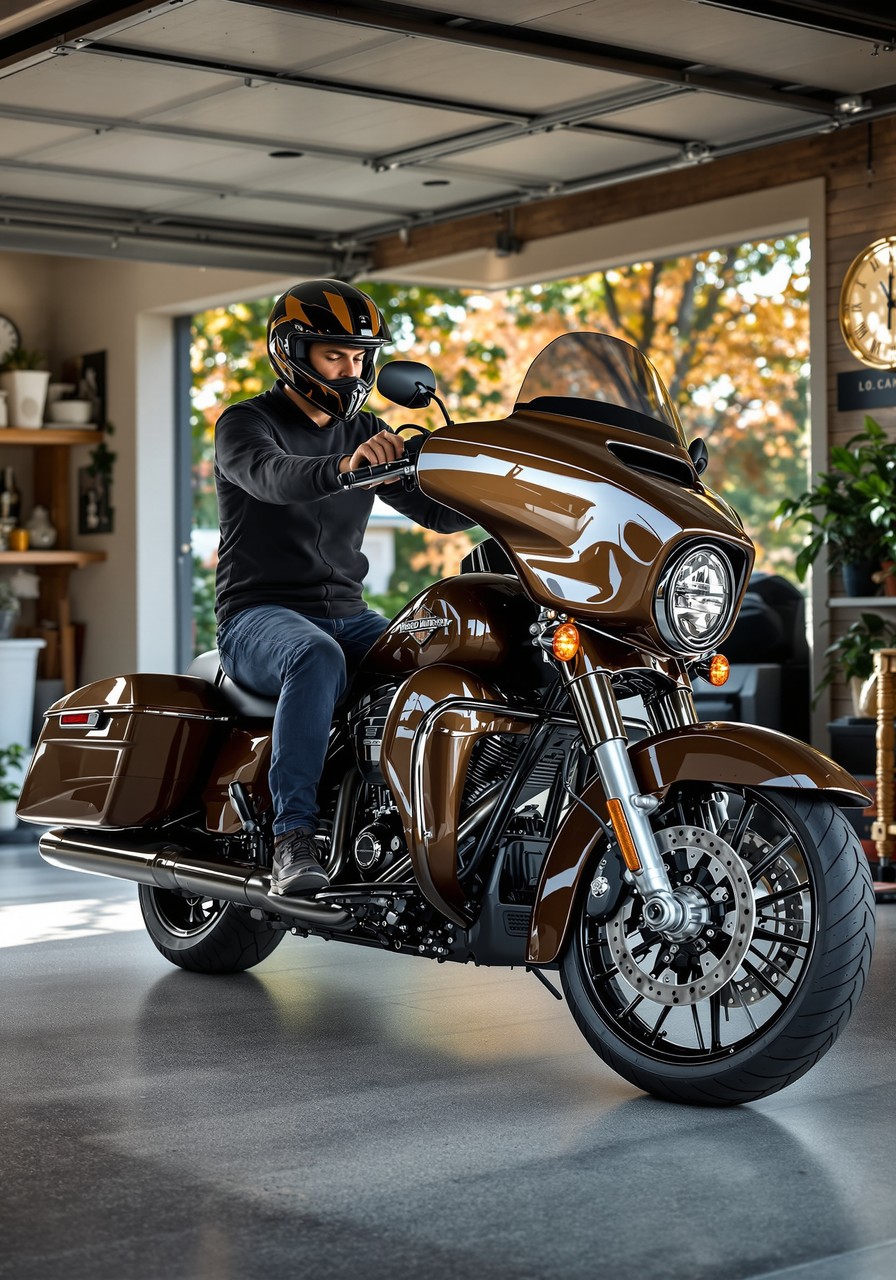
Gear & New Iron
Winter storage checklist: full tank with stabilizer, battery on a tender, tires off the cold concrete if you can, and a breathable cover. Spring you will thank winter you. #RideNationNC #MotorcycleMaintenance #ColdWeatherRiding
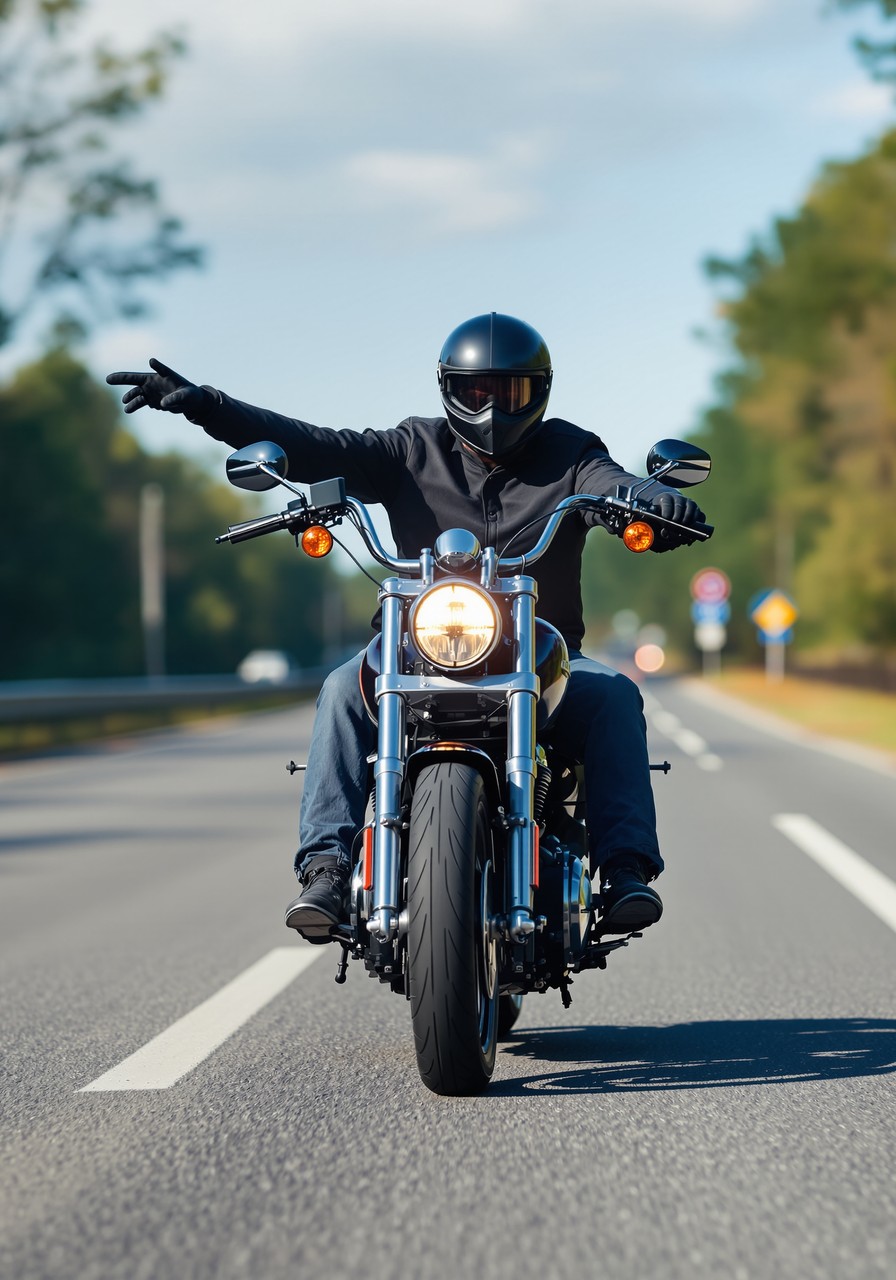
Safety & NC Law
UM/UIM is required in North Carolina for a reason: plenty of drivers carry the bare minimum. That coverage is your backstop when theirs runs out. #RideNationNC #KnowYourRights #NorthCarolinaRiders
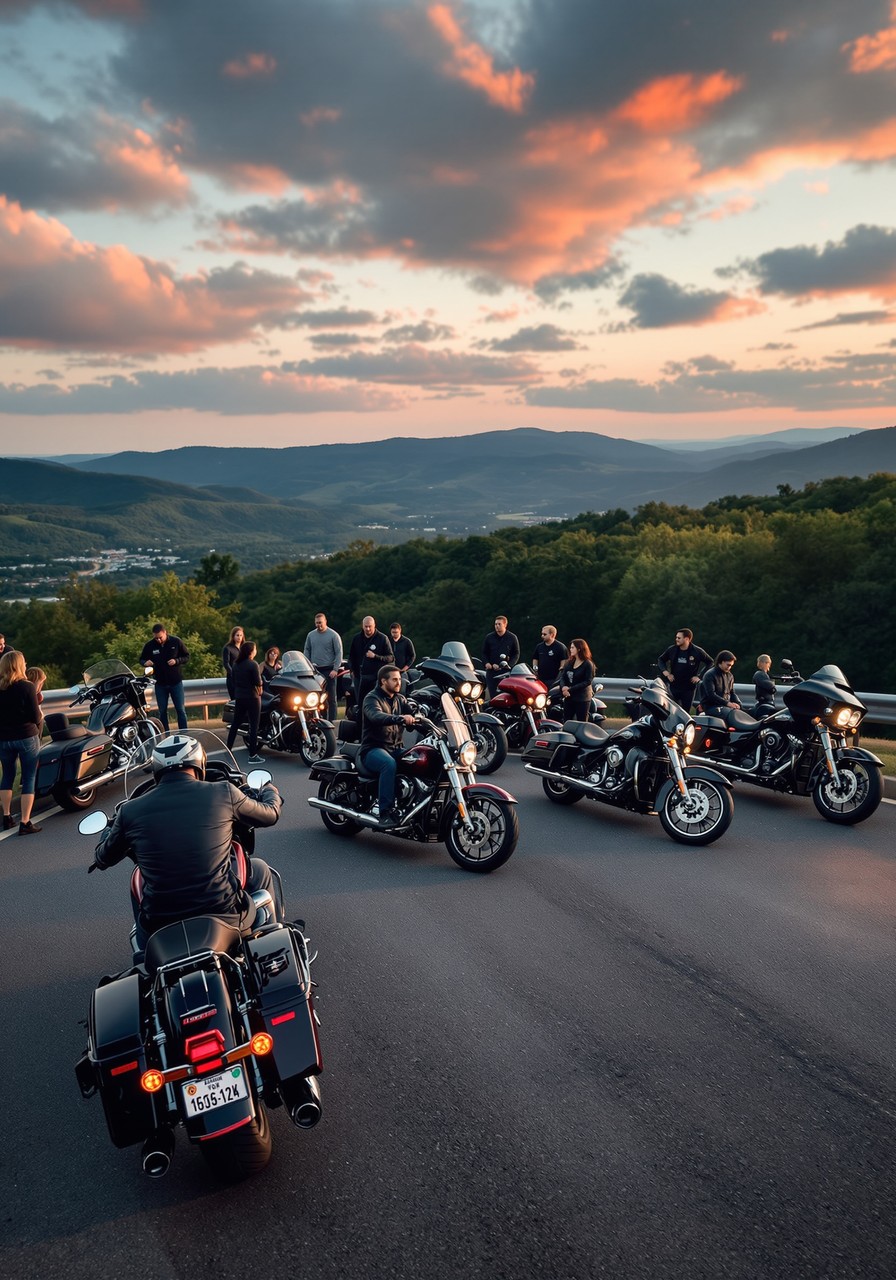
Engagement
Question for the group: what is on your spring maintenance list before that first mountain run? #RideNationNC #BlueRidgeParkway #TwoWheels
Giveaway & Countdown
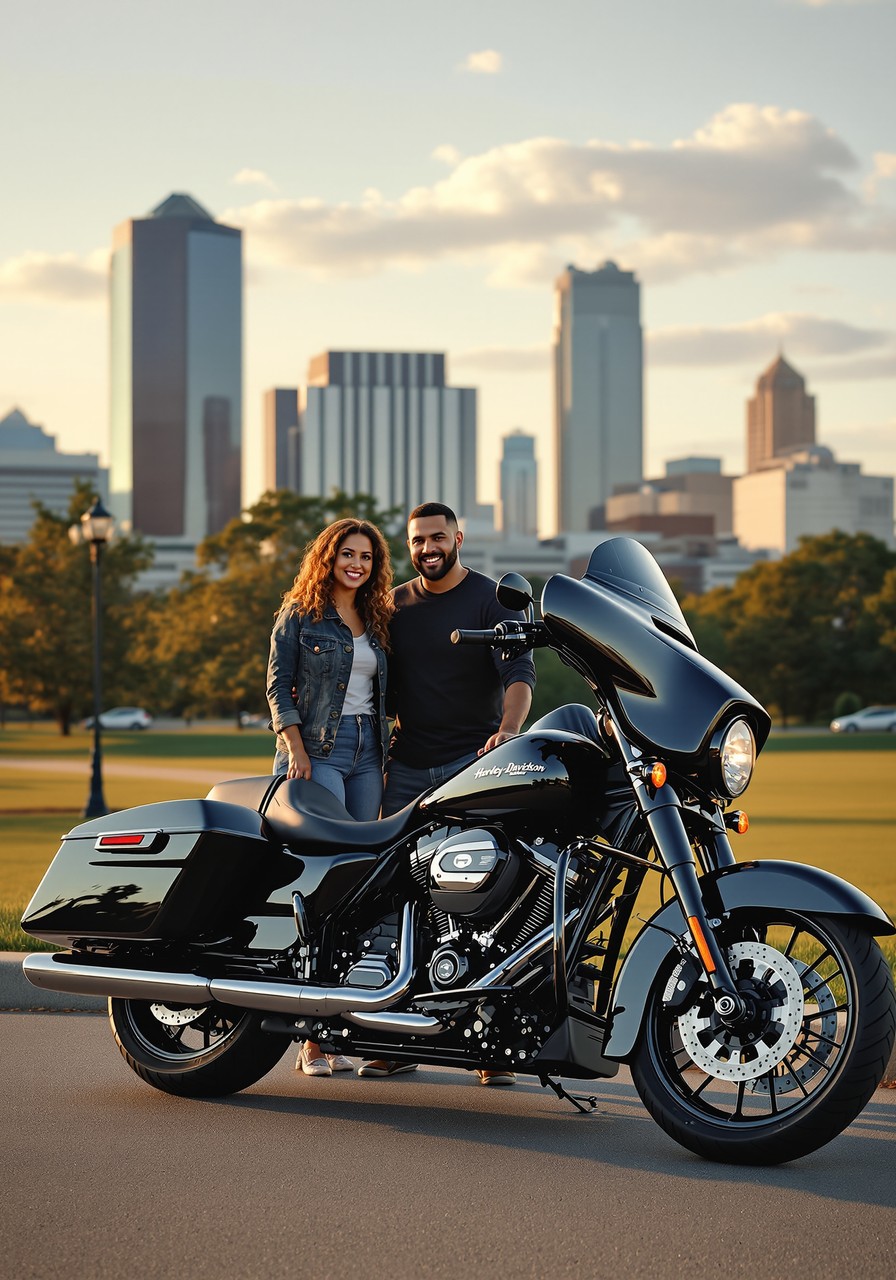
The countdown clock is running. Are you in yet? #RideNationNC #BikersWin #RaleighRiders
Local NC & Rides
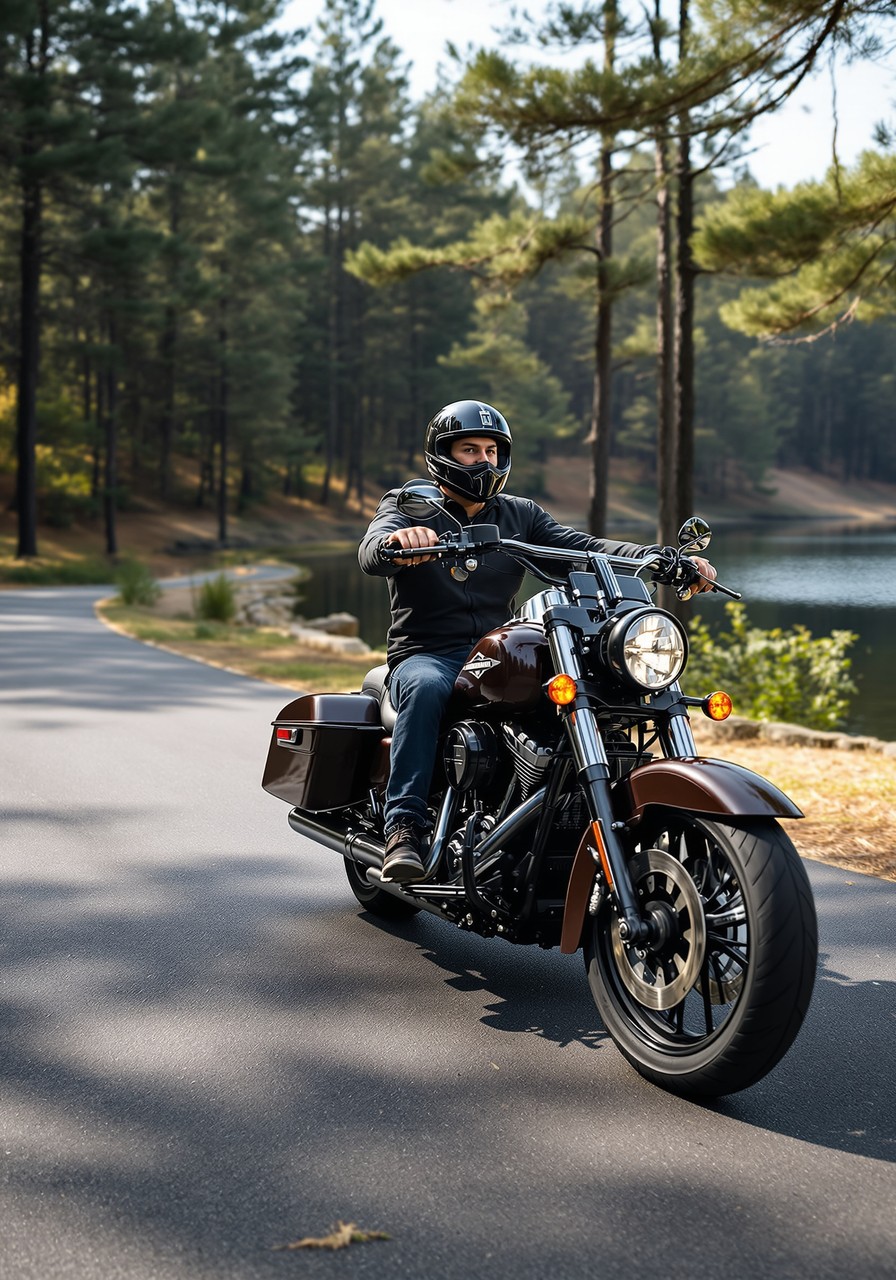
New Hope Church Road and the lanes around Falls Lake reward a slow, sunny cruise. No hurry, no highway, just a good afternoon close to home. #RideNationNC #RaleighRiders #TheTriangle
Gear & New Iron
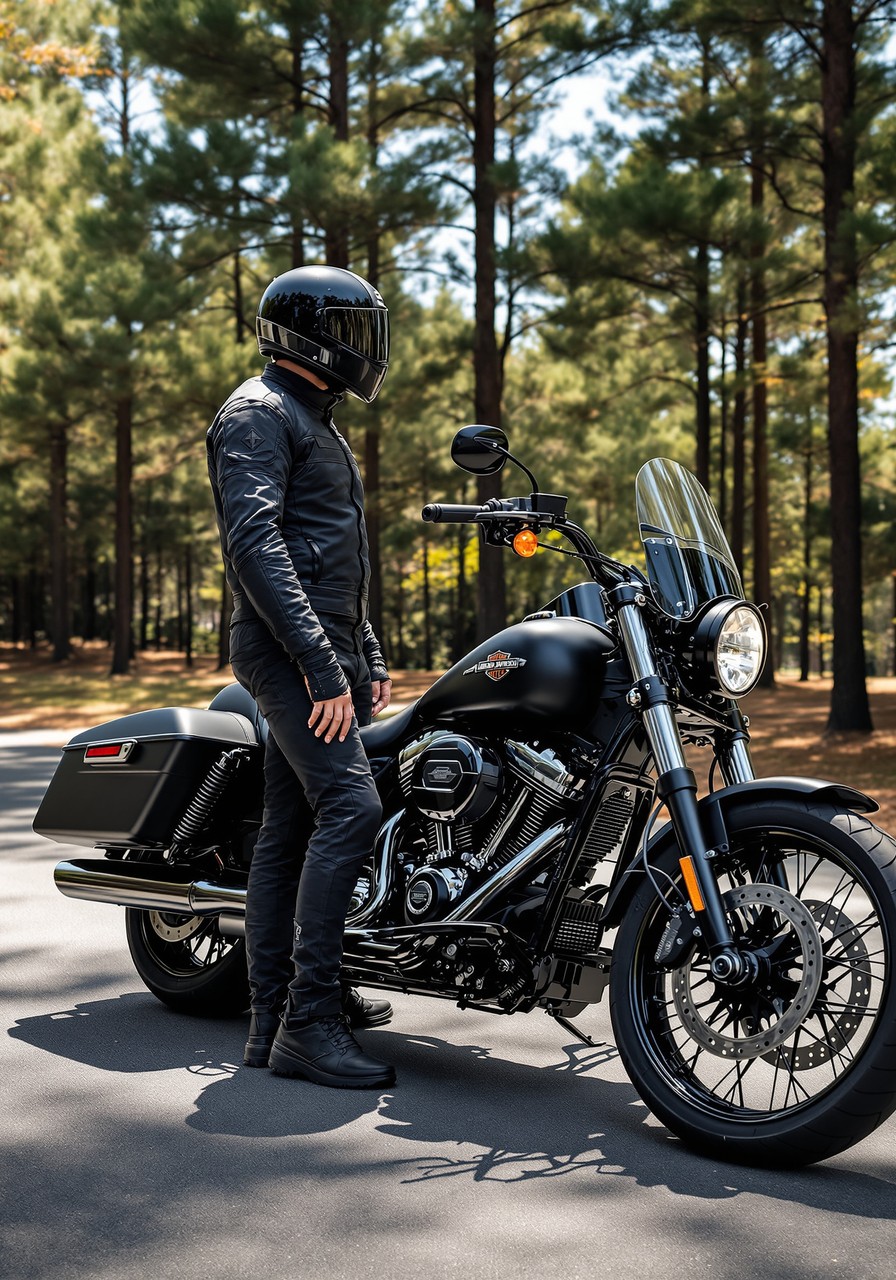
Do not seal a bike under plastic all winter. Trapped moisture in a humid garage grows rust and mildew. Use a breathable cover and let it air. #RideNationNC #MotorcycleMaintenance #RiderTips
Safety & NC Law
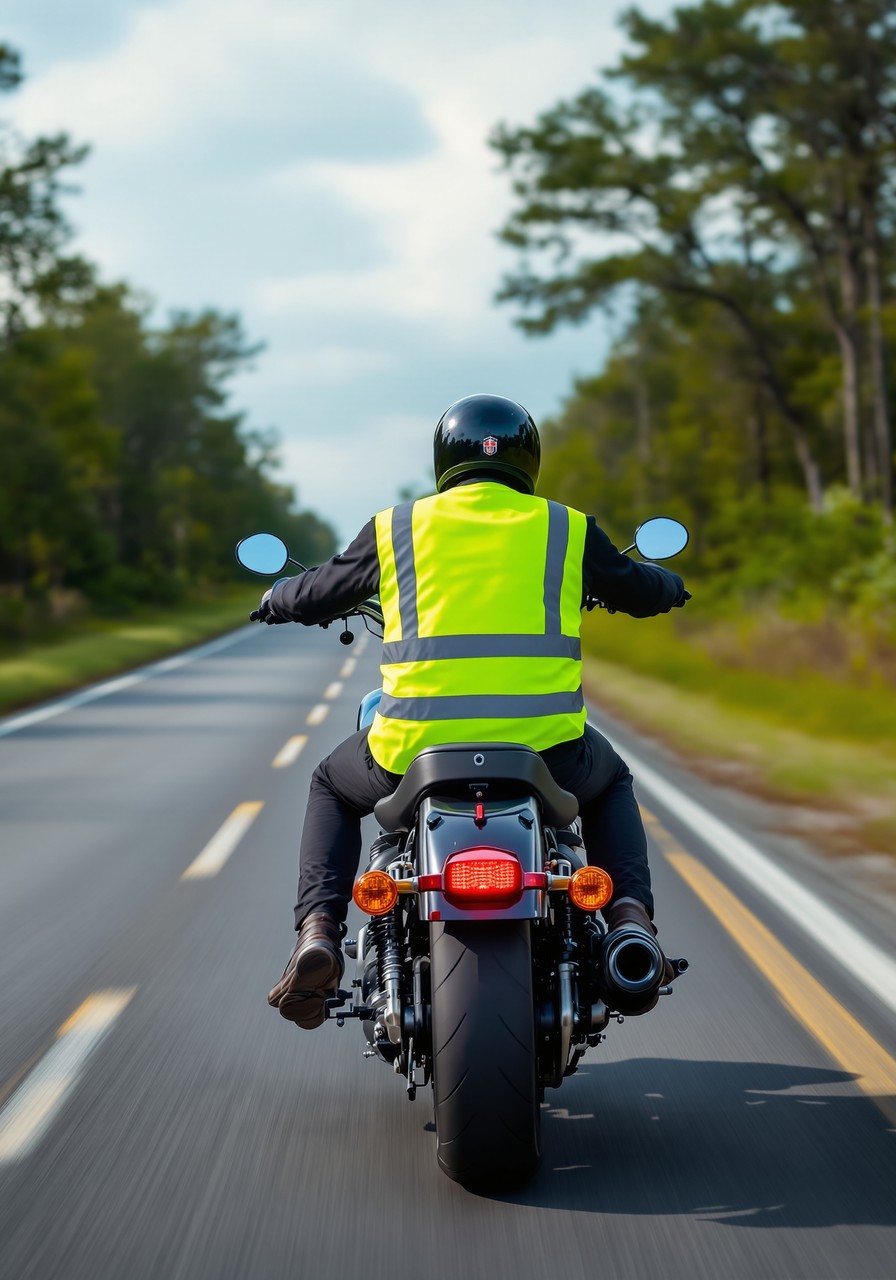
If a driver turns left across your path, your best defense is space and a covered brake. Assume the gap you see is smaller than it looks. #RideNationNC #MotorcycleSafety #RaleighRiders
Engagement
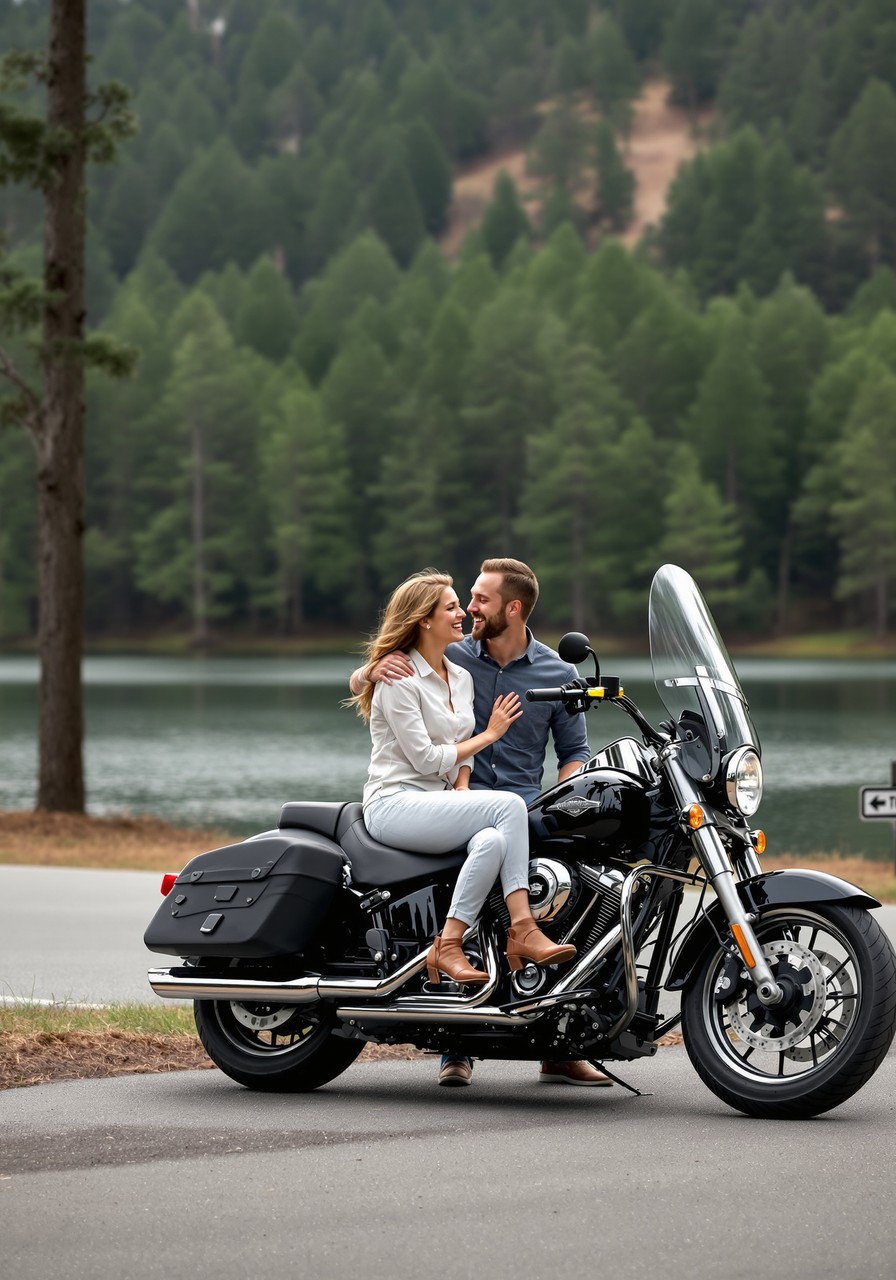
This or that: a short after-work Triangle loop or wait for a full free weekend. What do you do? #RideNationNC #TheTriangle #RaleighRiders
Giveaway & Countdown
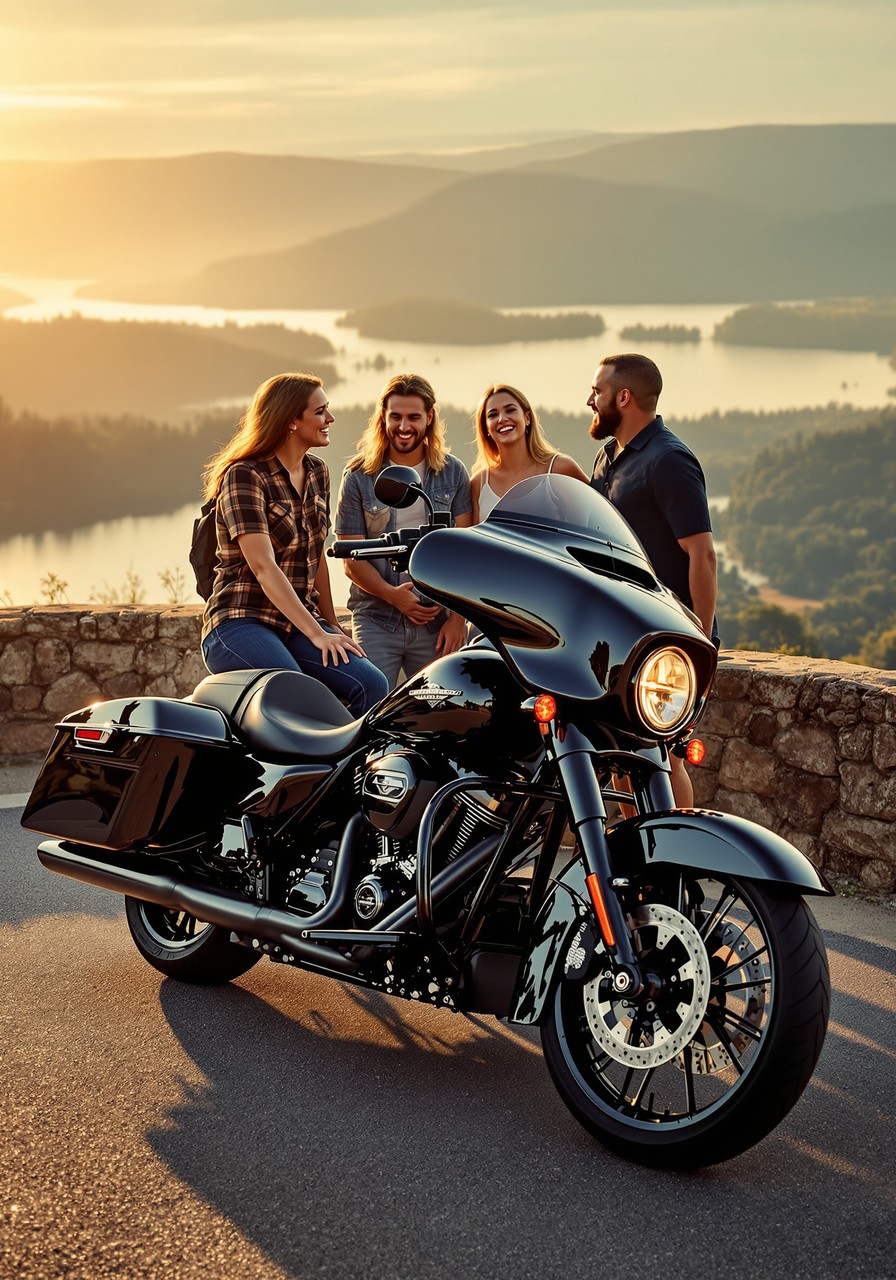
Ride Nation is showing up strong for this one. Keep the word moving. #RideNationNC #20kGiveaway #TheTriangle
Local NC & Rides
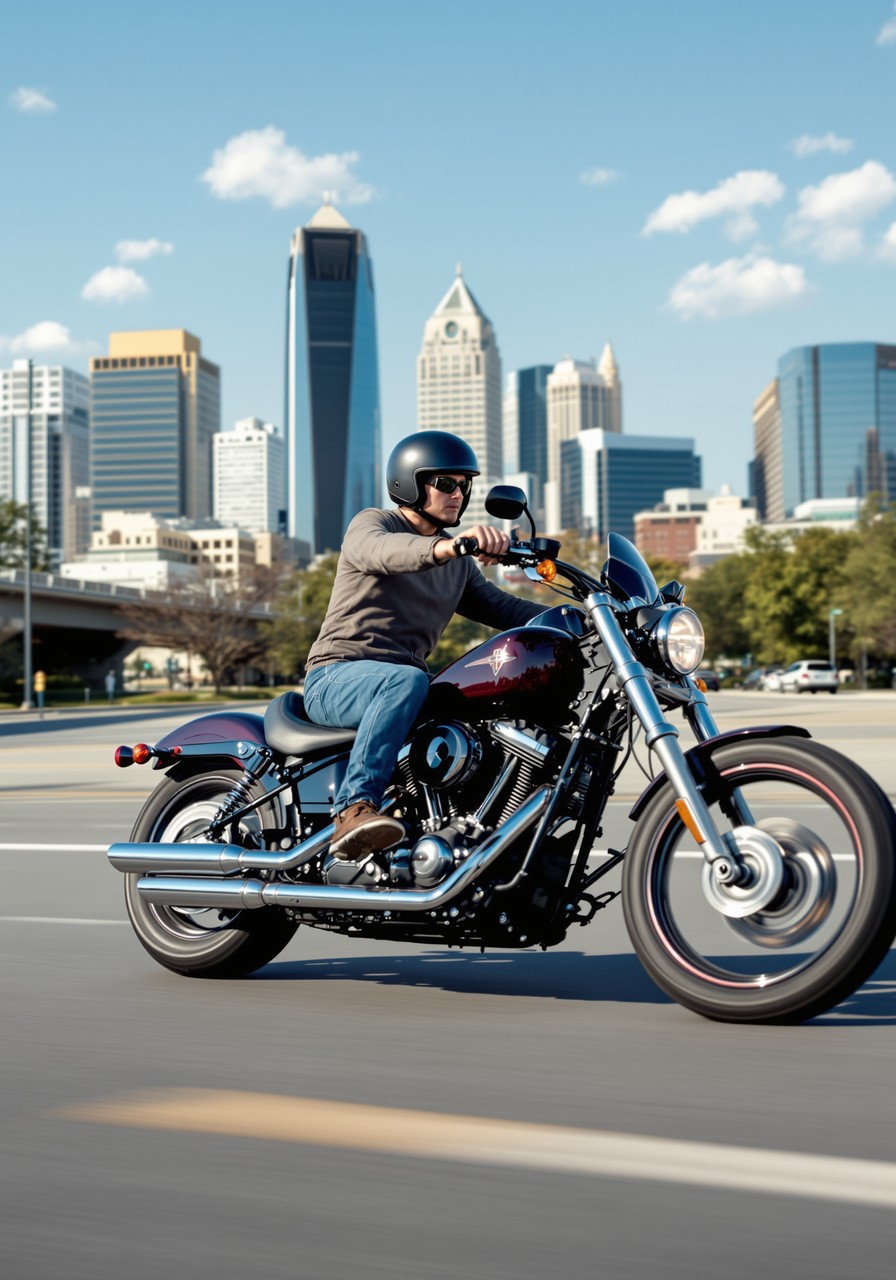
Fall and winter leaves pile up wet on the shaded curves toward Saxapahaw. A carpet of leaves has about as much grip as gravel, so read the road early. #RideNationNC #TheTriangle #MotorcycleRoads
Gear & New Iron
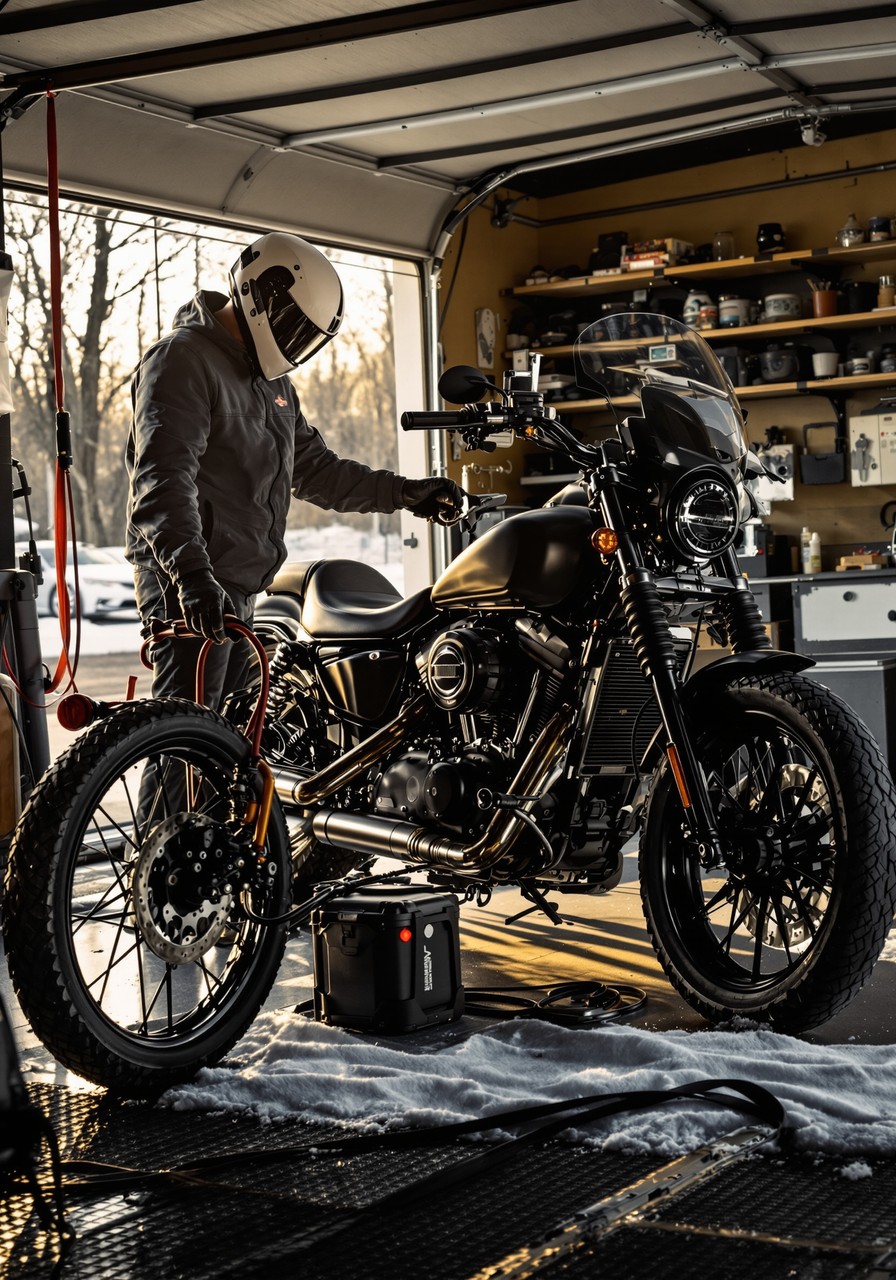
Pollen season in the Triangle coats everything yellow, including your bike. Rinse it off soon. That fine dust holds moisture against paint and metal and helps corrosion start. #RideNationNC #MotorcycleMaintenance #RaleighRiders
Safety & NC Law
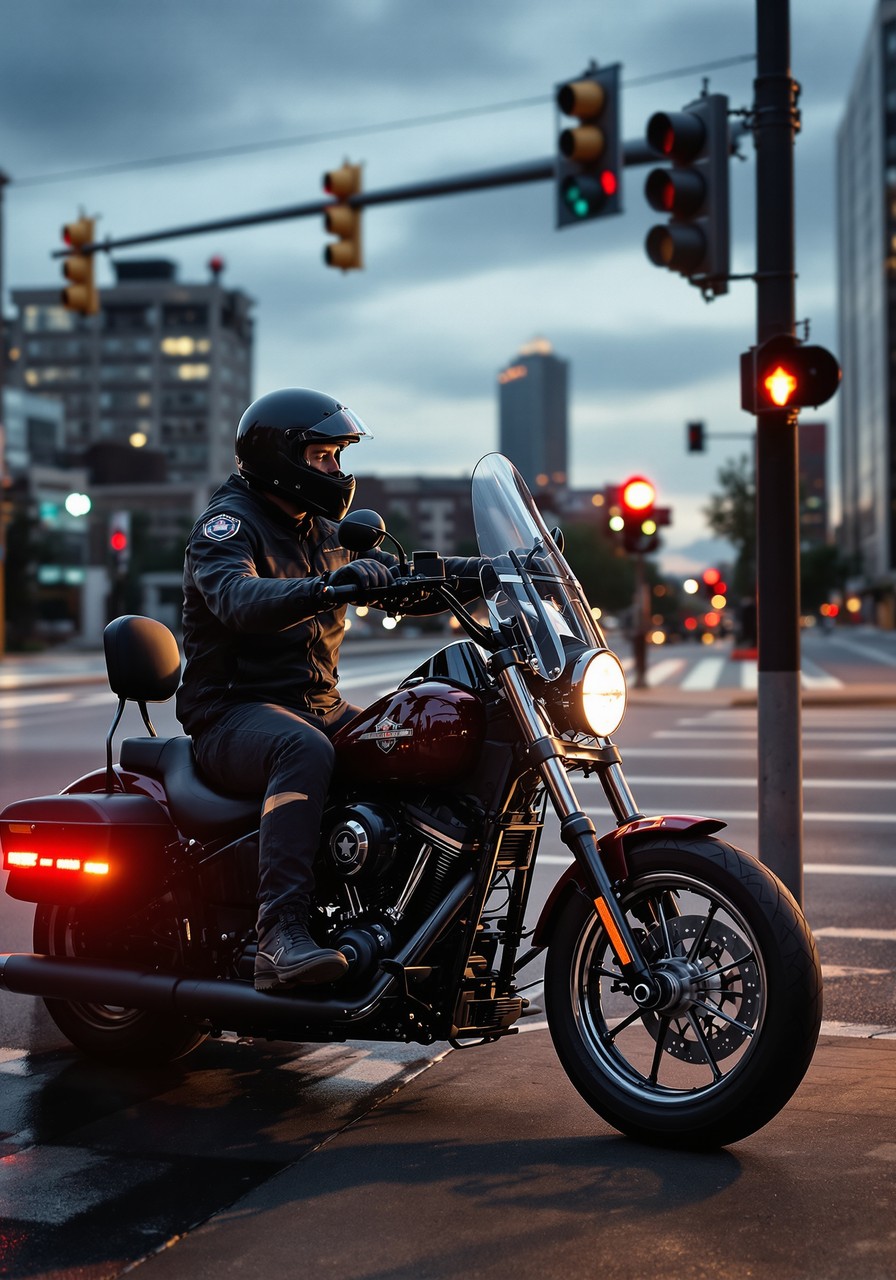
'I never saw the motorcycle' is the most common thing drivers say after hitting a rider. Ride like you are invisible, because to them you often are. #RideNationNC #MotorcycleSafety #NorthCarolinaRiders
Engagement
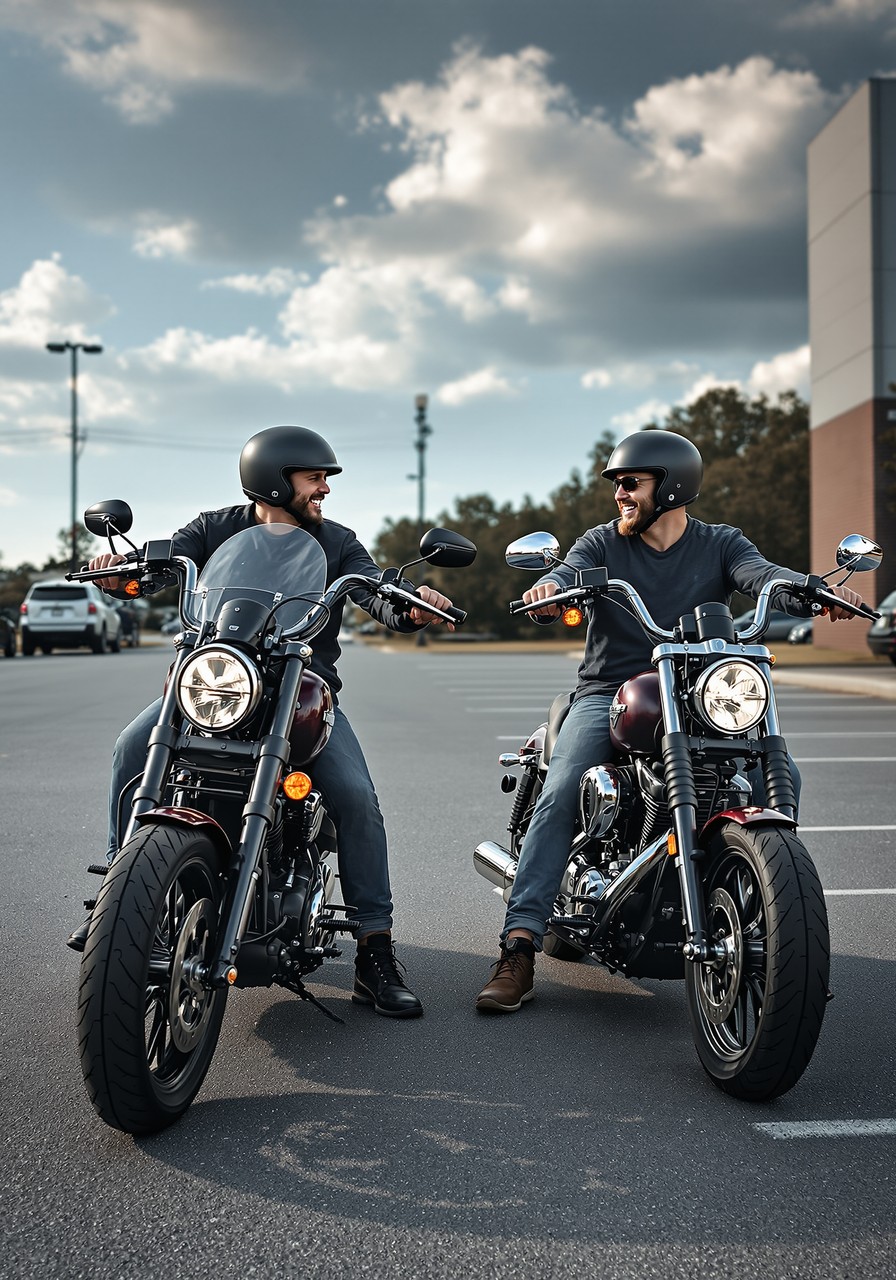
Fill in the blank: you know you are a rider when ______. #RideNationNC #RideOrDie #NorthCarolinaRiders
Giveaway & Countdown
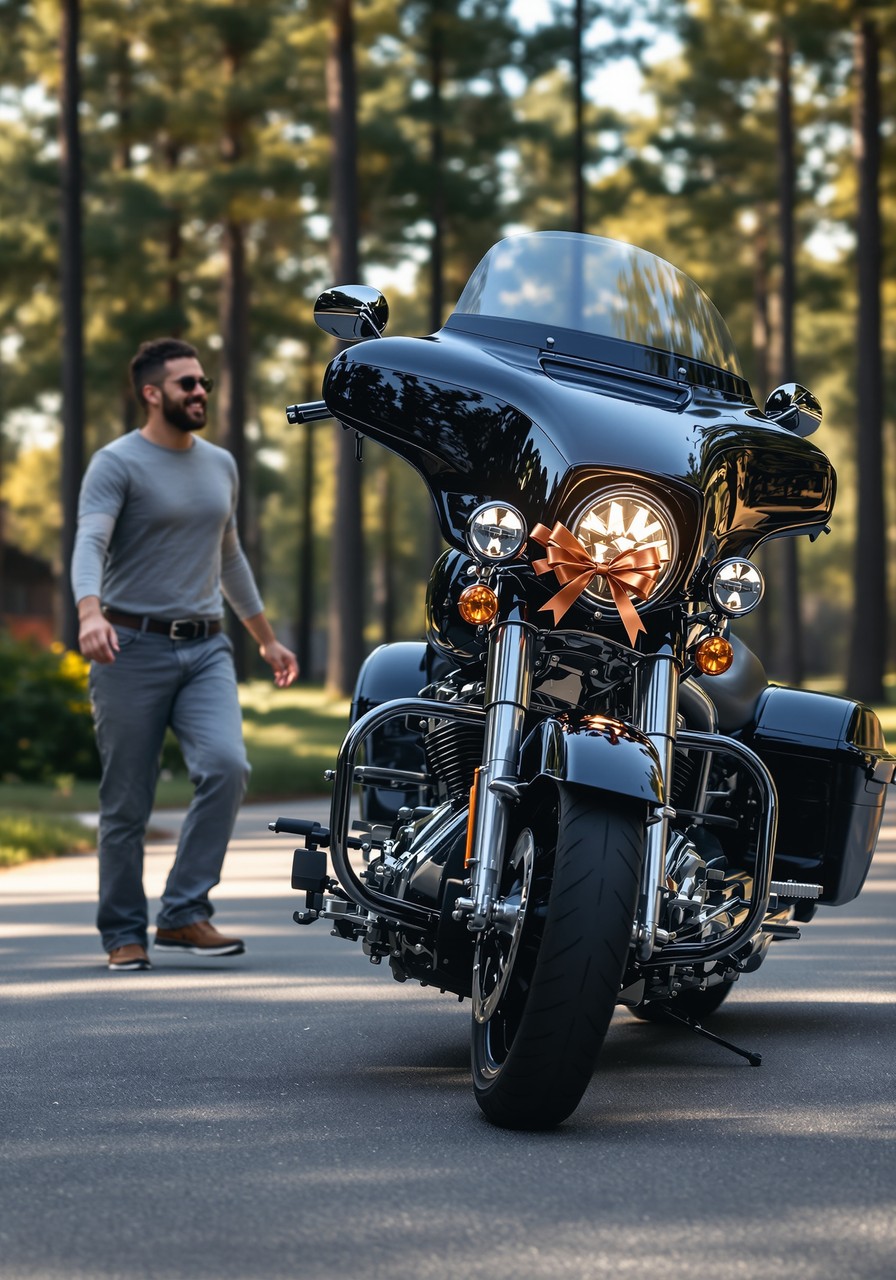
Big things ahead for one lucky rider. $20,000 lucky. #RideNationNC #BikersWin #MotorcycleGiveaway
Local NC & Rides
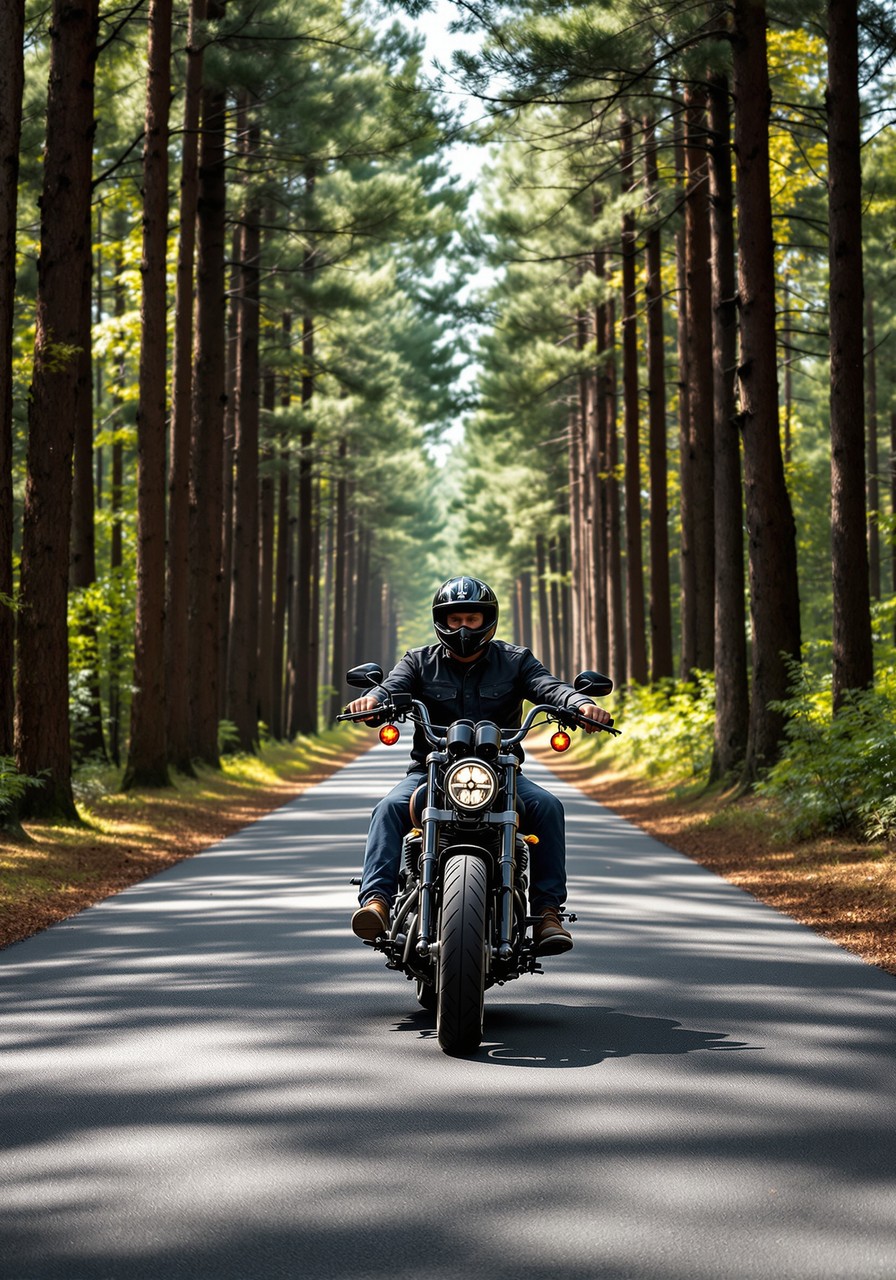
Sunset comes early in December, so plan the Uwharrie run as a morning ride. You do not want to be threading NC-24/27 with deer out and the light gone. #RideNationNC #Uwharrie #CarolinaRiders
Gear & New Iron
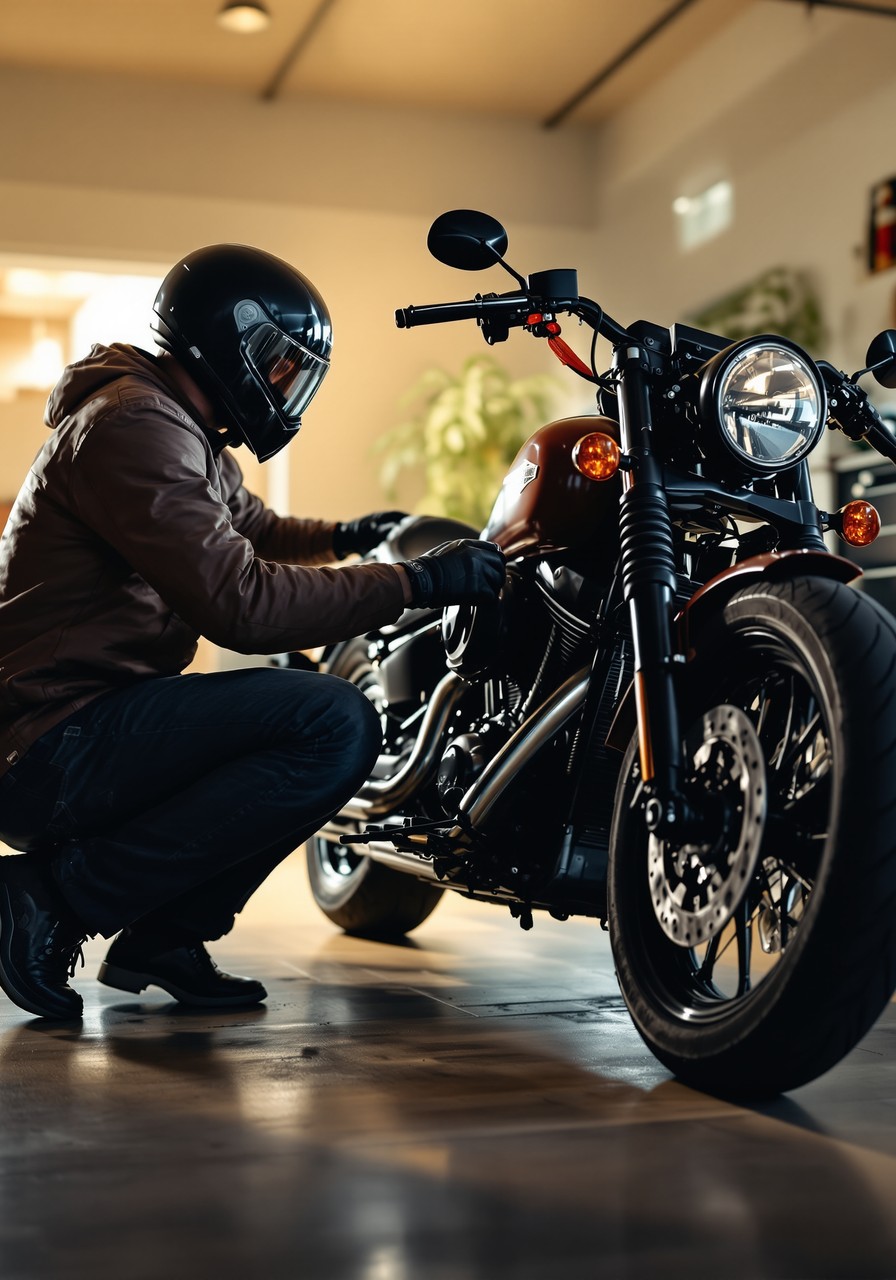
Spring washdown matters more here than most places. Pollen and salt film from winter roads eat at your finish. A gentle wash and dry gets the riding season off right. #RideNationNC #MotorcycleMaintenance #RaleighRiders
Safety & NC Law
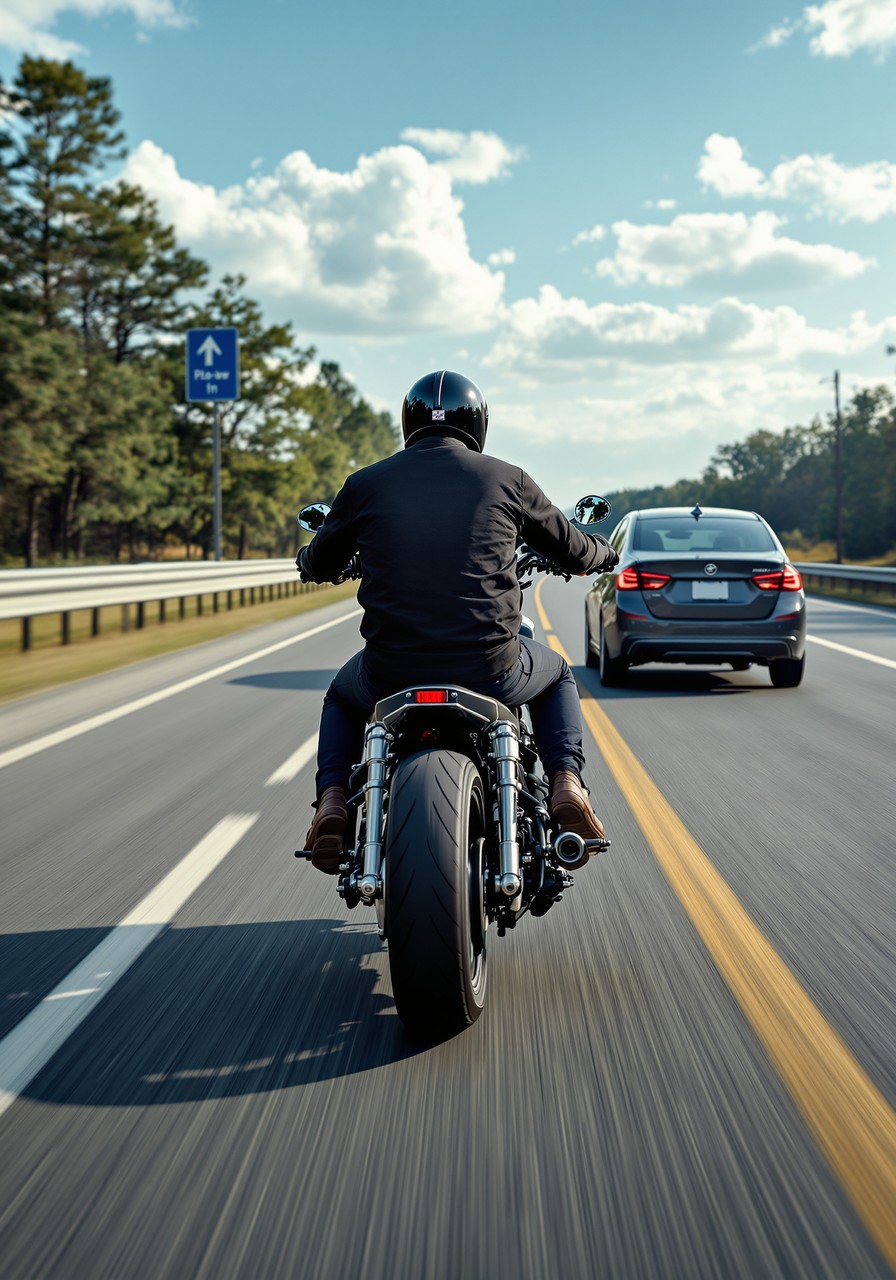
After a wreck, photos win arguments. Skid marks, sight lines, the other car's damage, the whole intersection. Learn what matters at lawyernc.com. #RideNationNC #RiderRights #KnowYourRights
Engagement
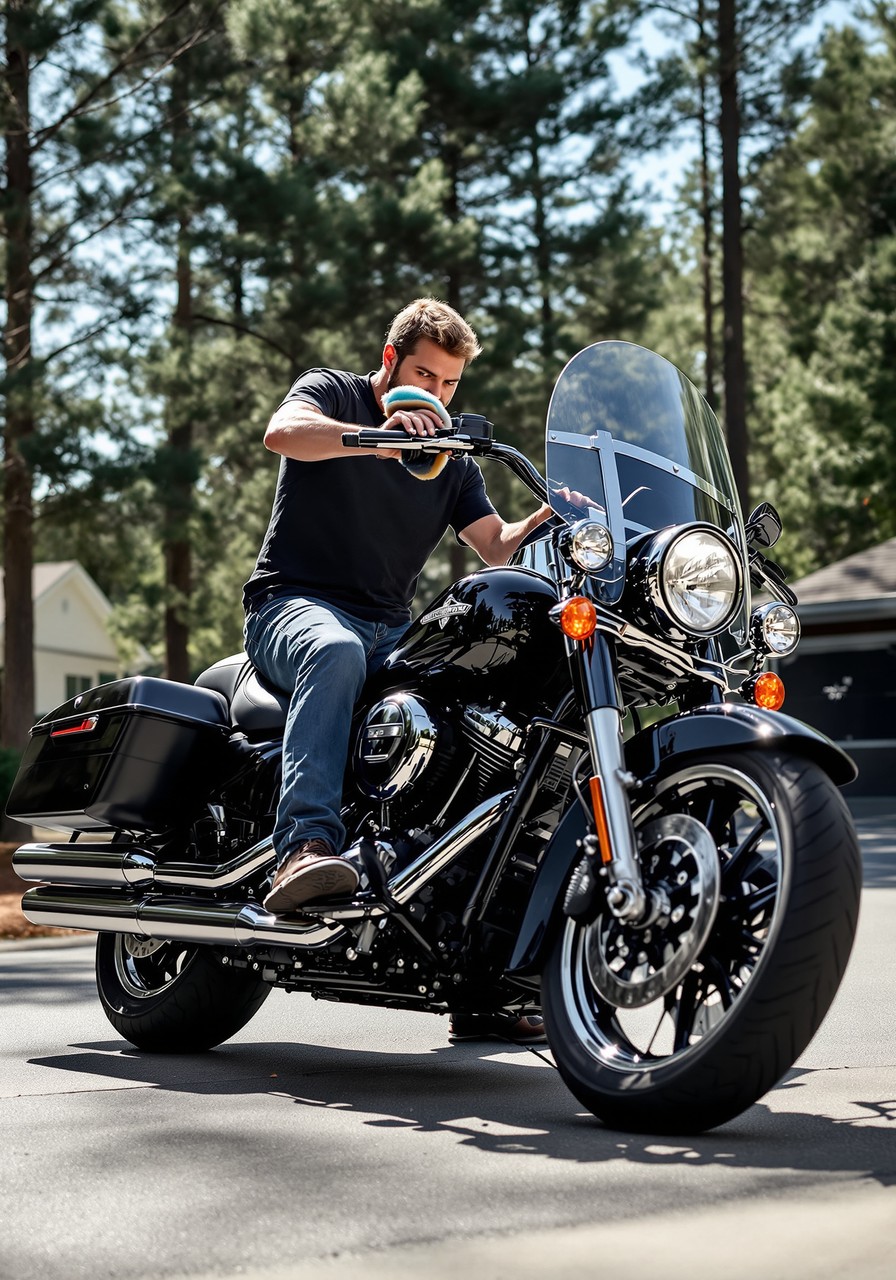
Poll: dream spring trip. Uwharrie forest run or a Parkway overnight? Cast your vote. #RideNationNC #Uwharrie #BlueRidgeParkway
Giveaway & Countdown
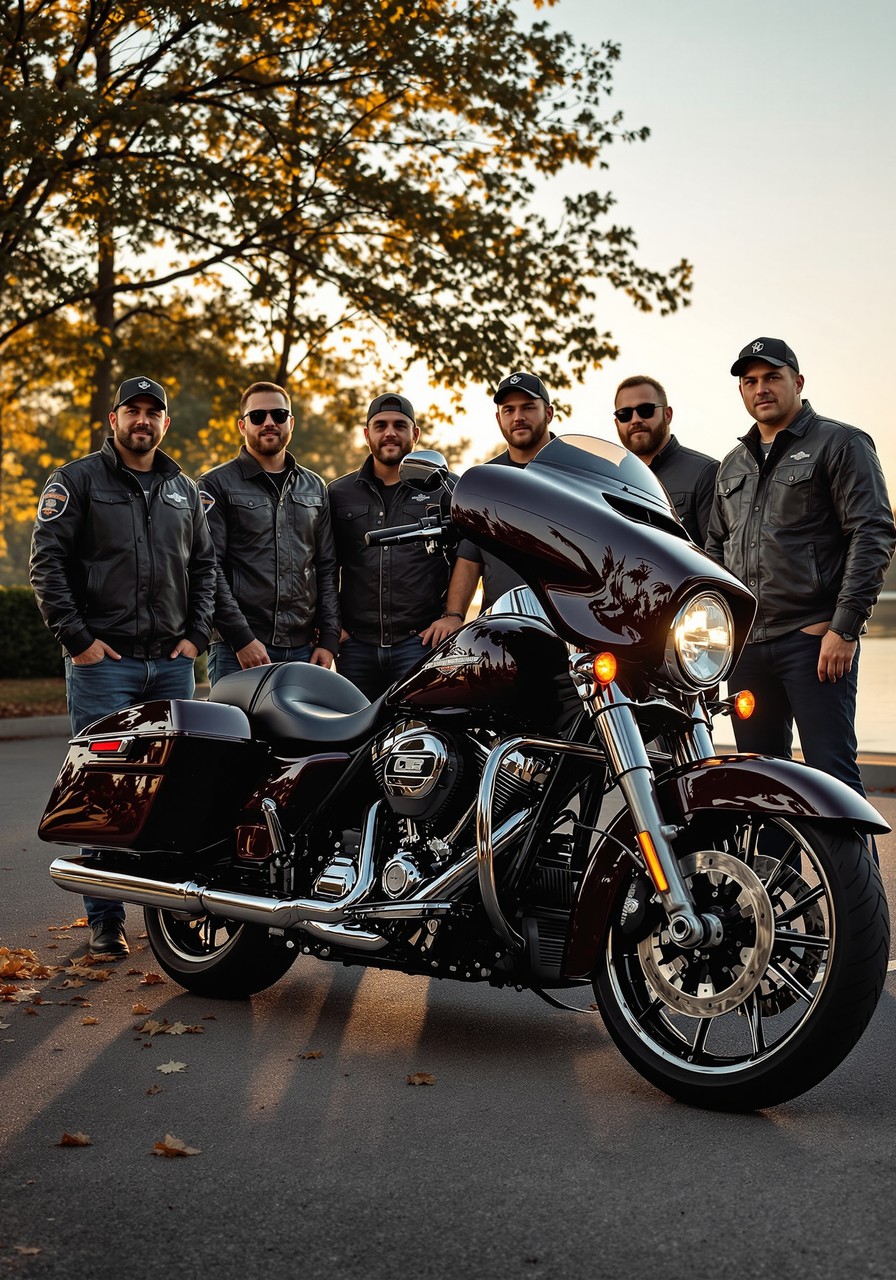
Tag two riders who would lose it over twenty grand. Go. #RideNationNC #20kGiveaway #RaleighRiders
Local NC & Rides
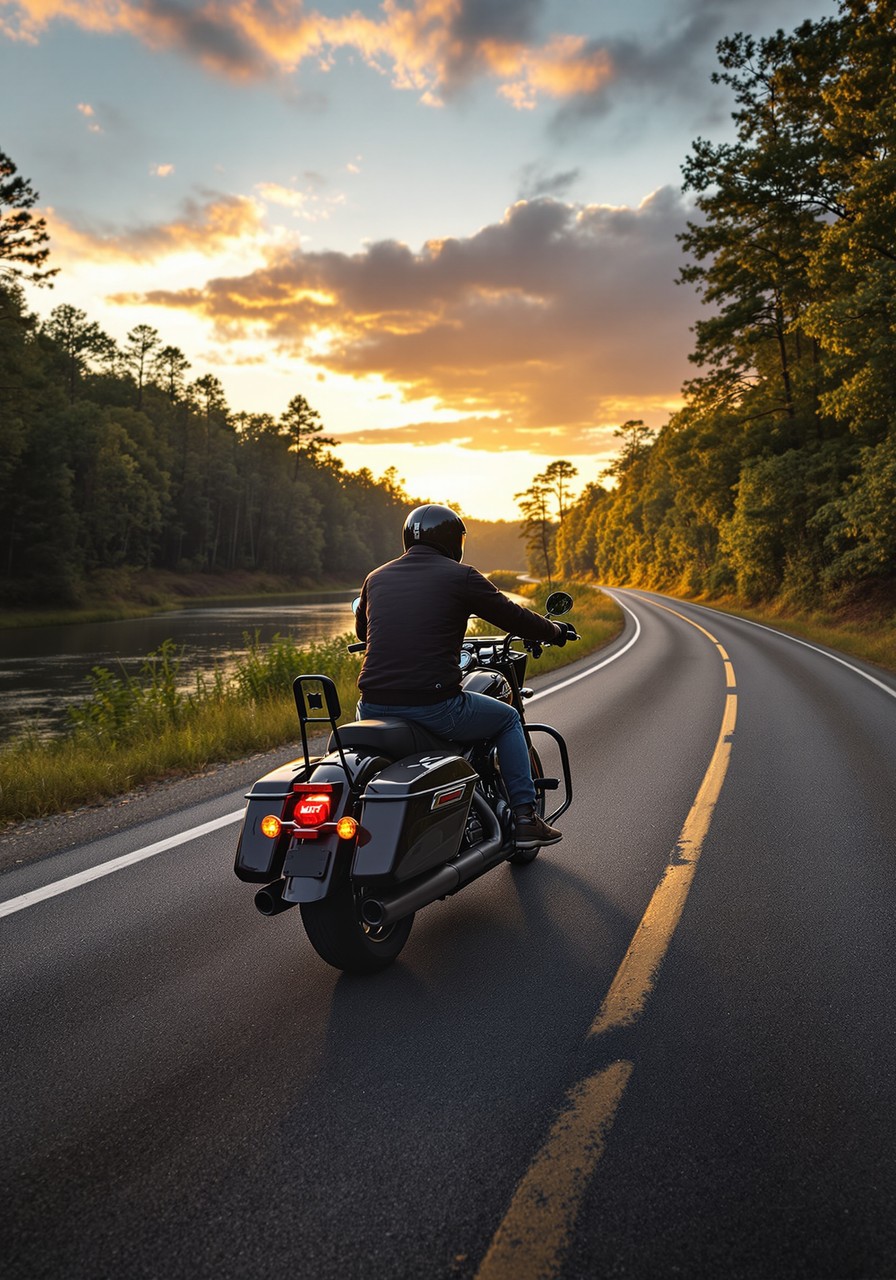
The stretch of US-64 out toward Pittsboro is a solid warm-up for the Chatham backroads beyond it. String them together for a half-day loop. #RideNationNC #CarolinaRiders #MotorcycleRoads
Gear & New Iron
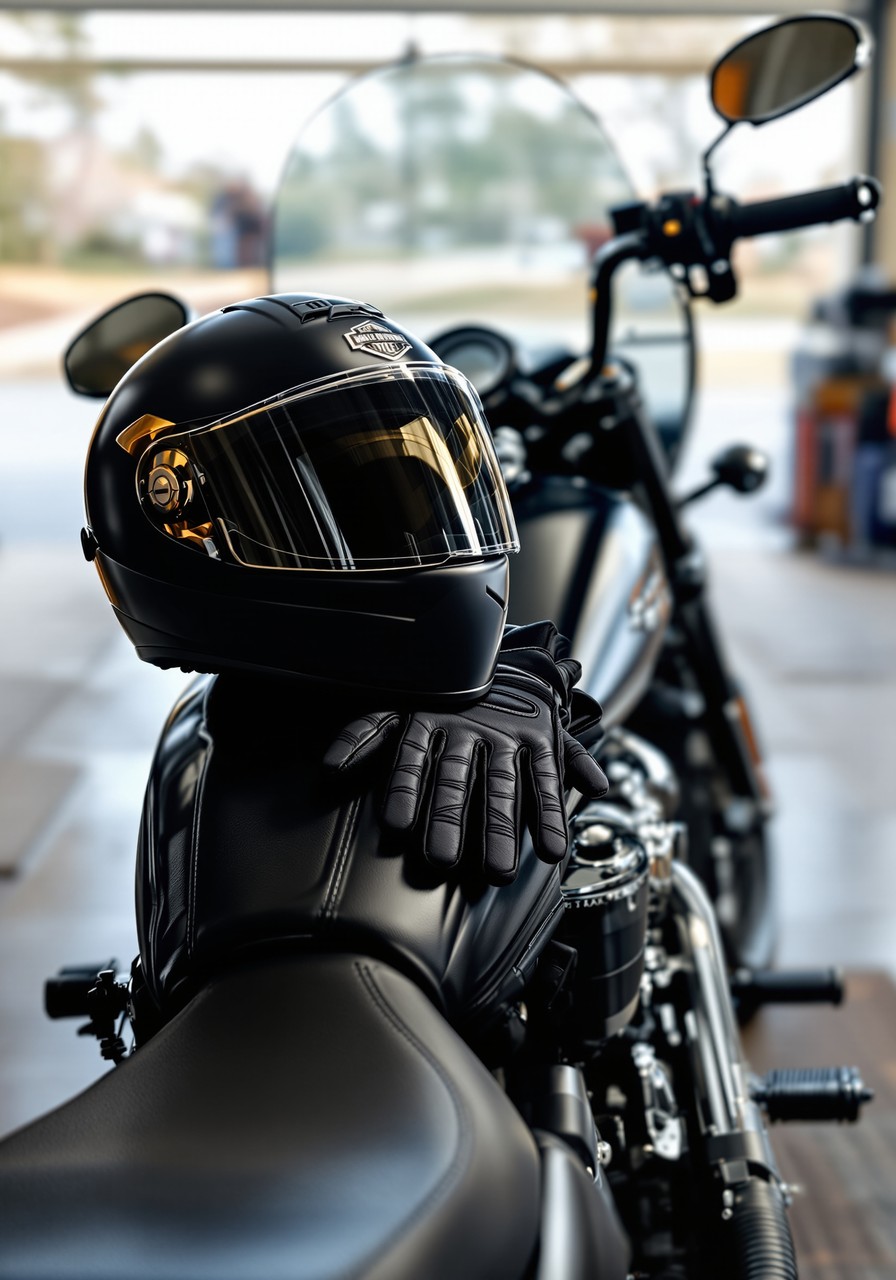
Fogging visor on a cool NC morning? A quality anti-fog insert or spray beats cracking the shield in traffic. Clear vision is not a luxury. #RideNationNC #ColdWeatherRiding #GearUp
Safety & NC Law
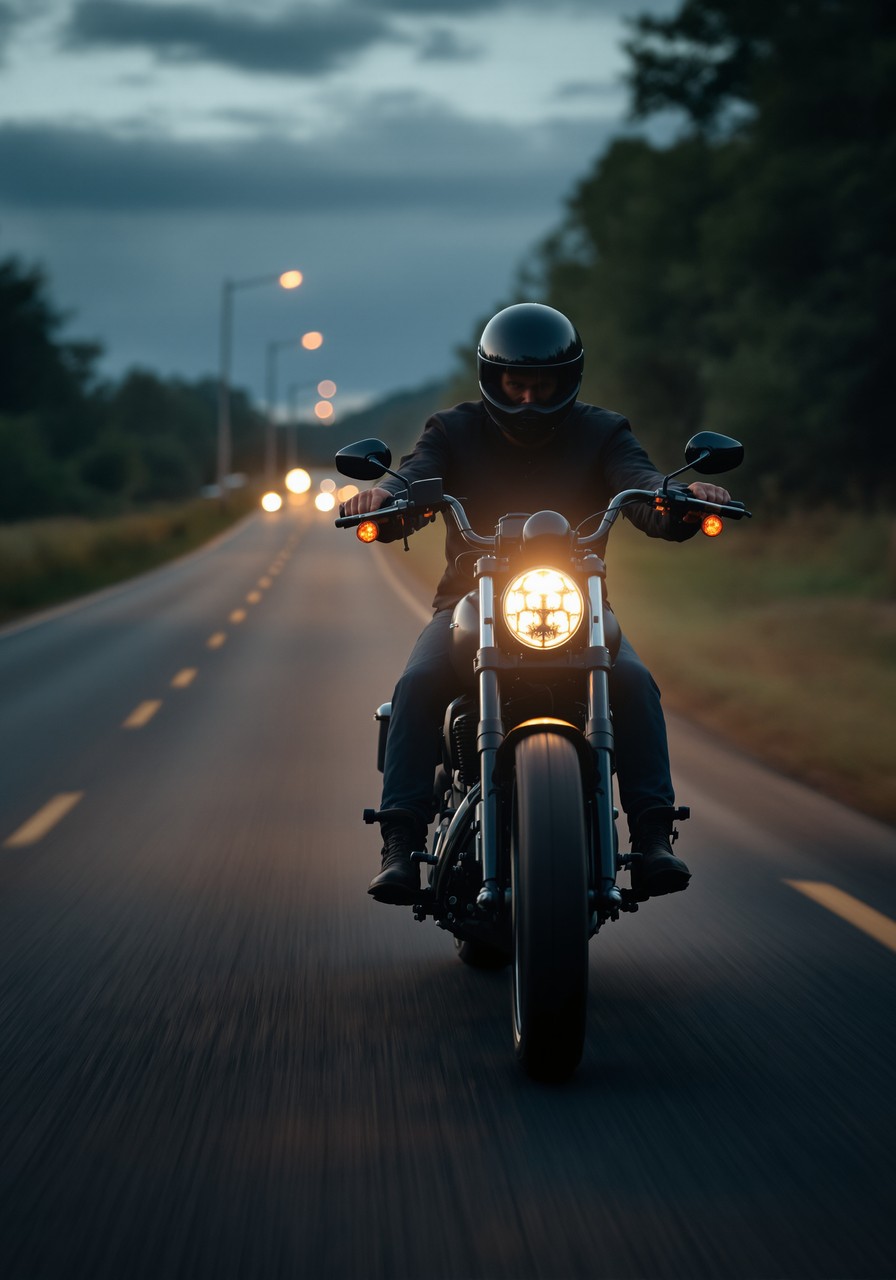
Freeze and thaw open potholes overnight on Triangle roads. Scan the surface, not just the traffic, and keep a cushion around your front wheel. #RideNationNC #MotorcycleSafety #RaleighRiders
Engagement
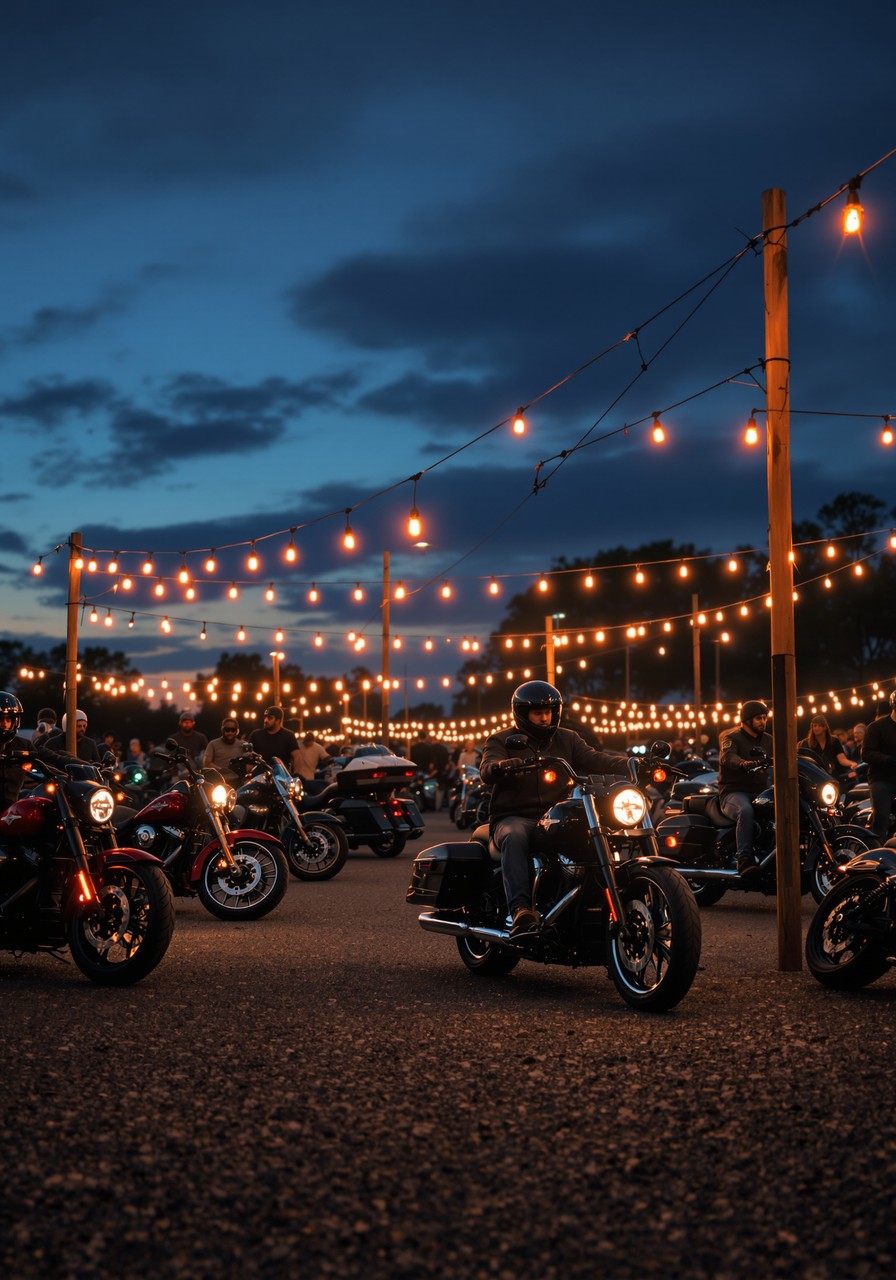
Tag the newest rider you know and give them one piece of advice below. #RideNationNC #RaleighRiders #CarolinaRiders
Giveaway & Countdown
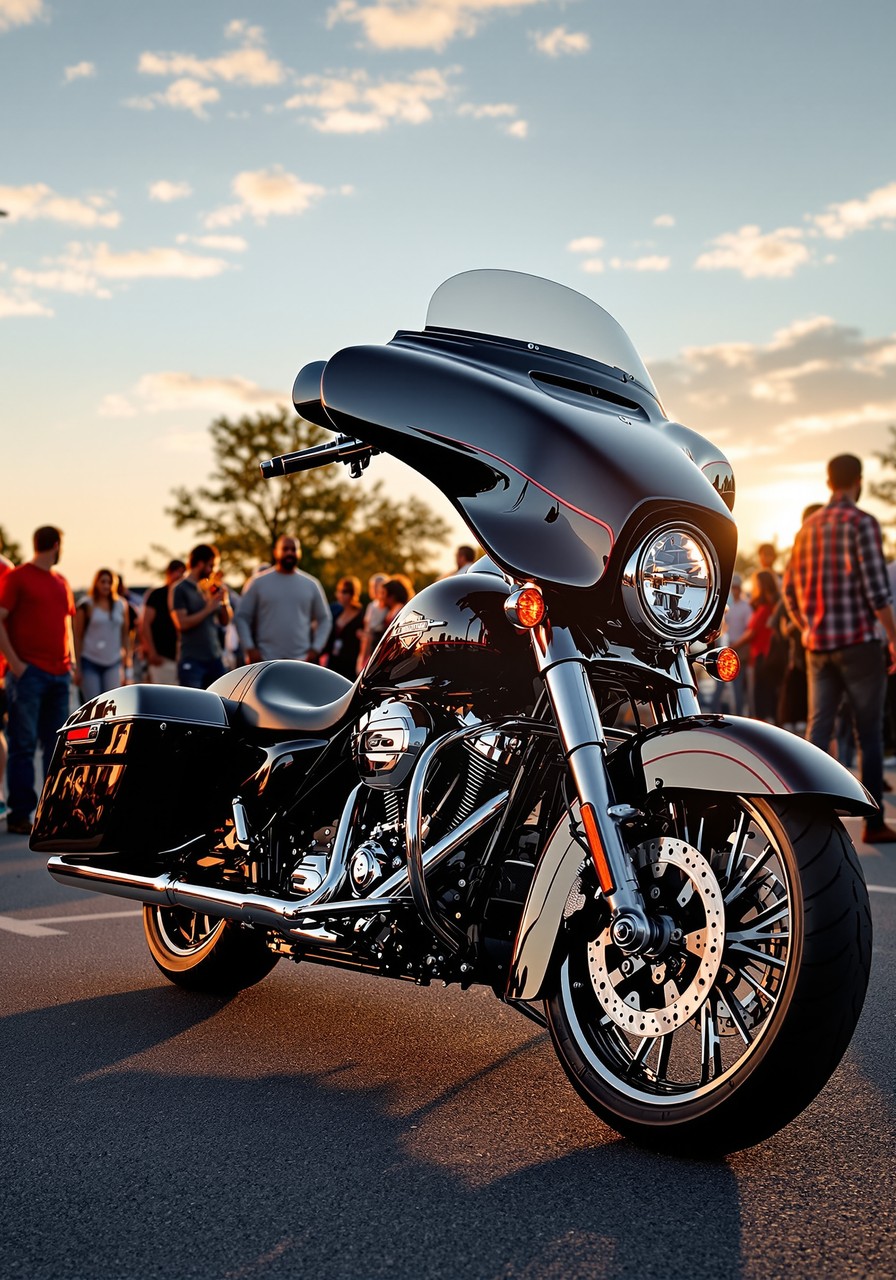
The Triangle rides together and wins together. BikersWin is on. #RideNationNC #MotorcycleGiveaway #NorthCarolinaRiders
Local NC & Rides
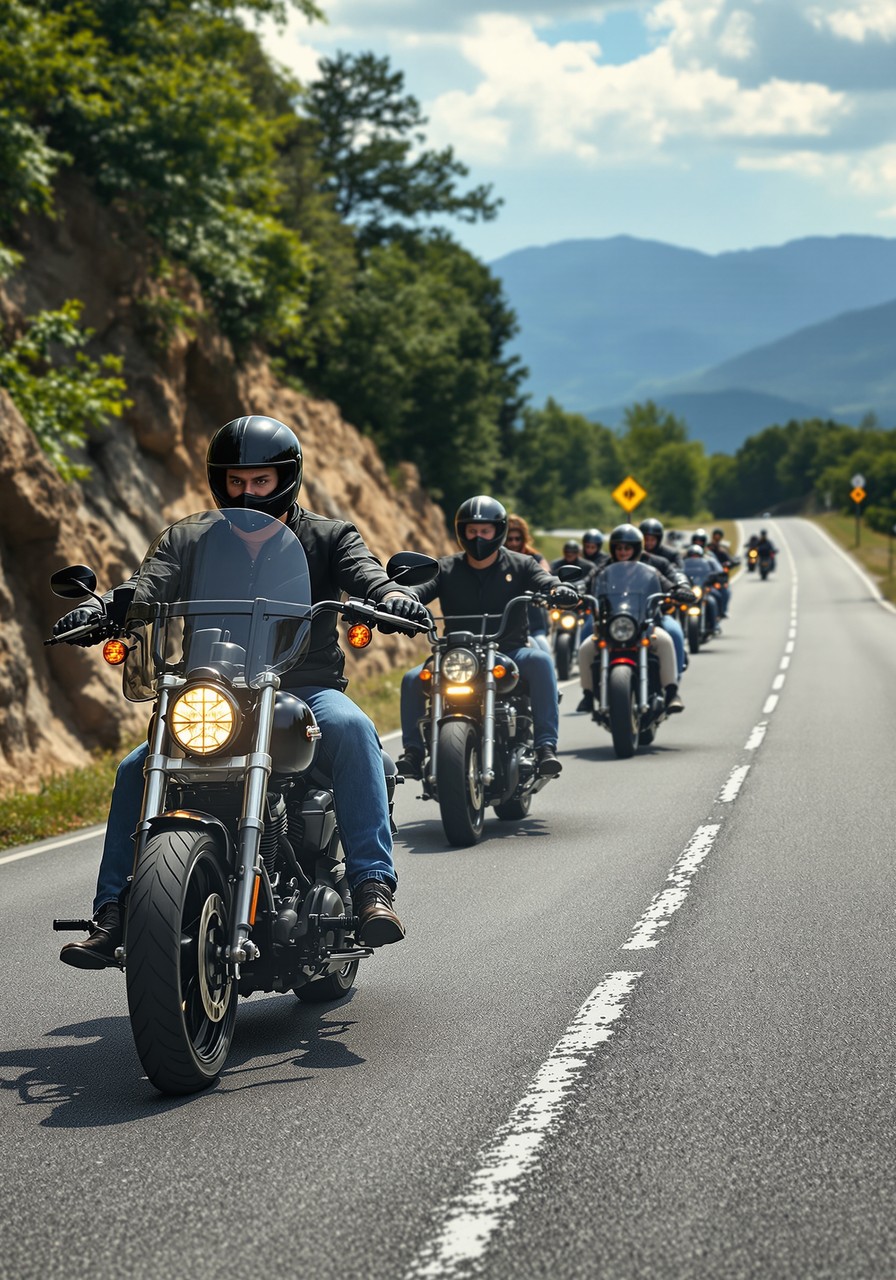
Winter rides are shorter, so make them count. A quick Umstead loop or a Falls Lake run beats staring at the bike through the garage window. #RideNationNC #RaleighRiders #TheTriangle
Gear & New Iron
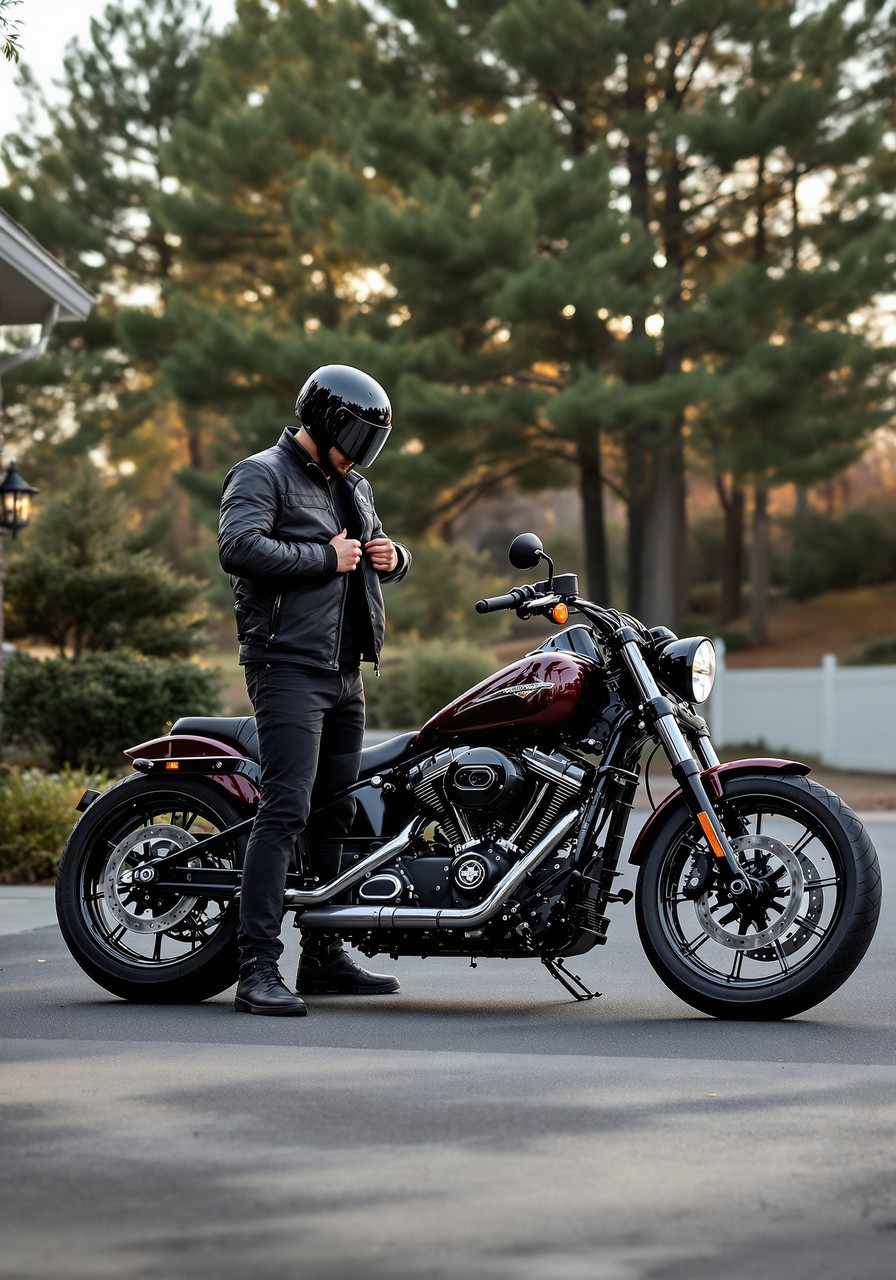
Visor fog is worst in the humid shoulder seasons. Keep the shield cracked at a stop, run a pinlock, and never wipe it dry with your glove and scratch it. #RideNationNC #GearUp #RiderTips
Safety & NC Law
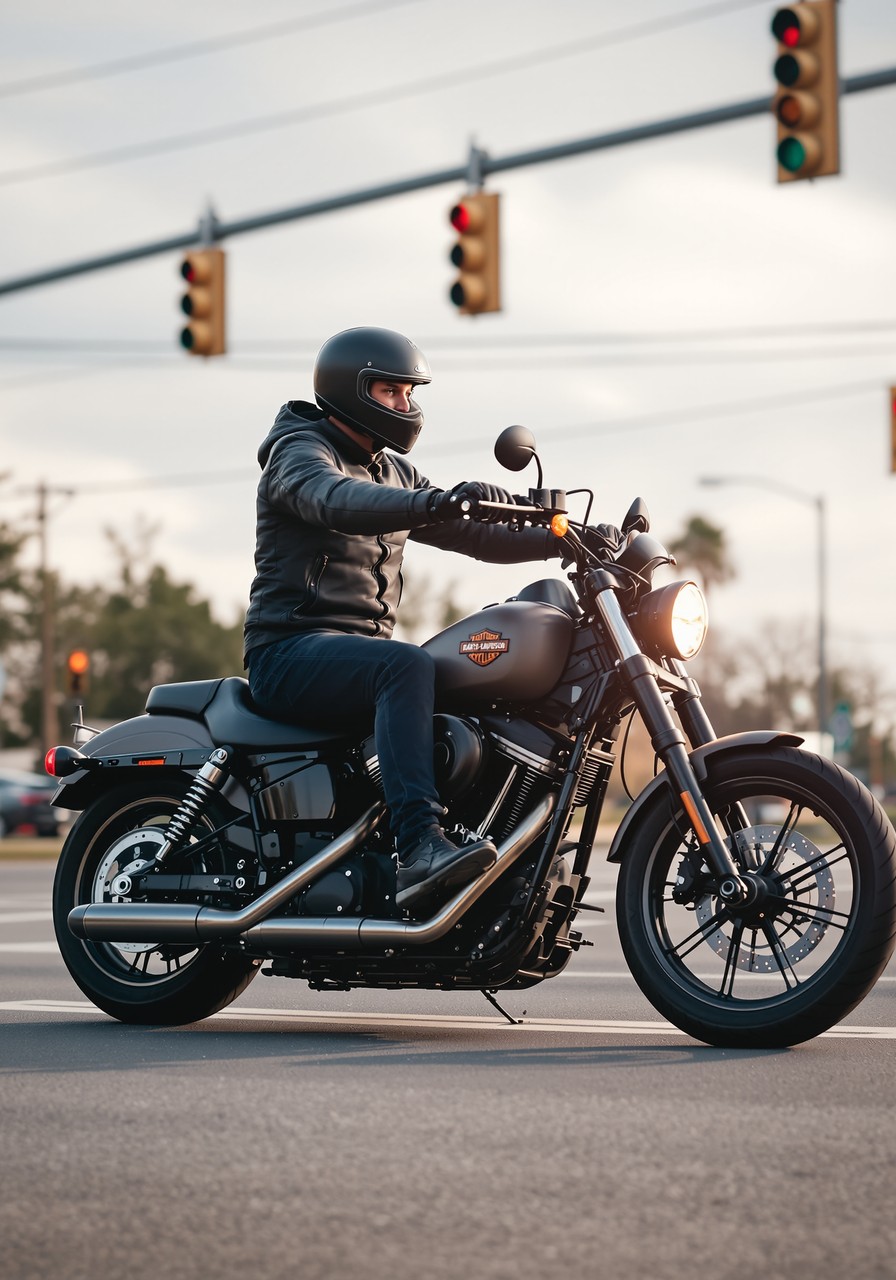
Your health insurance, MedPay, and the at-fault driver's liability all play a part after a North Carolina crash. Knowing the order they pay in matters. See lawyernc.com. #RideNationNC #KnowYourRights #NorthCarolinaRiders
Engagement
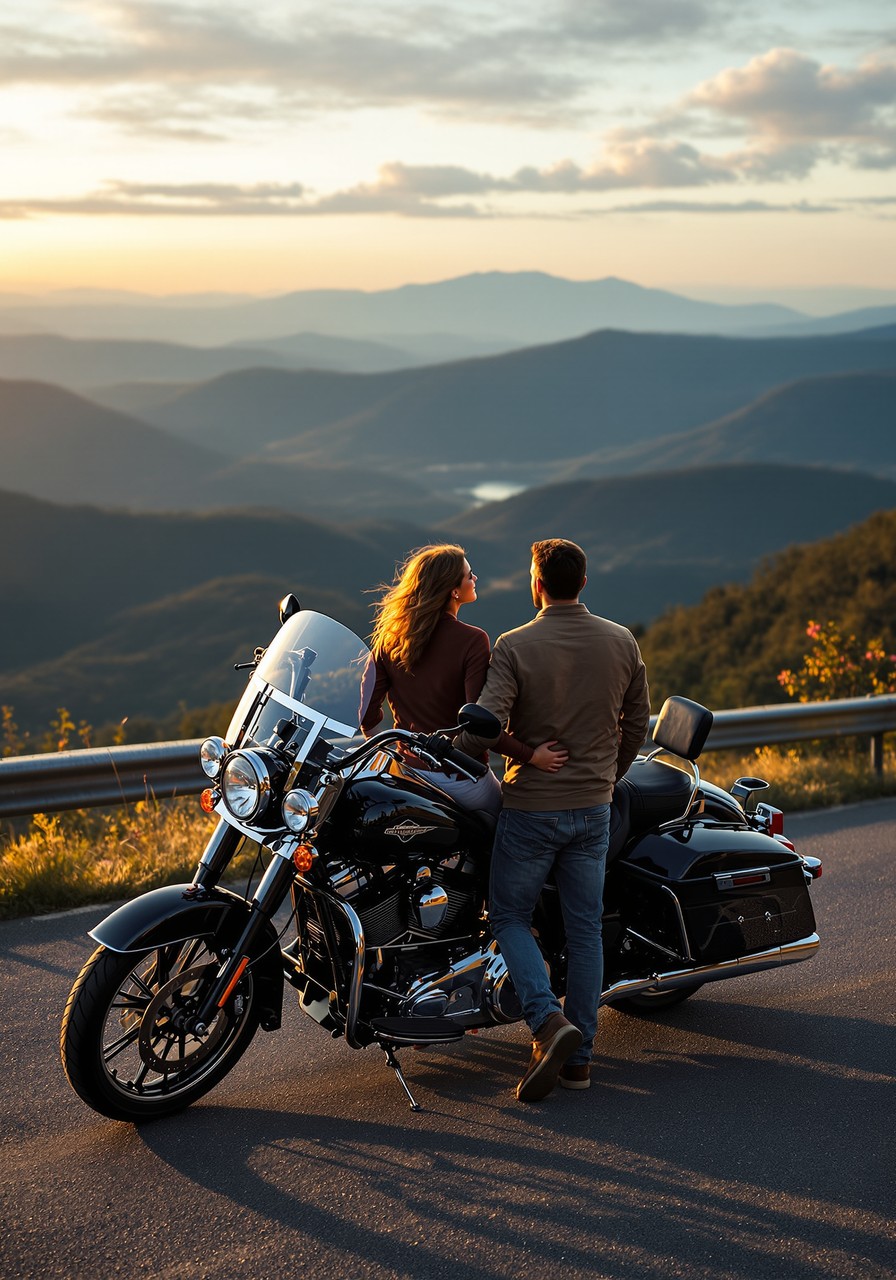
Caption this: the odometer photo you take at the end of a really good day. #RideNationNC #TwoWheels #NorthCarolinaRiders
Giveaway & Countdown
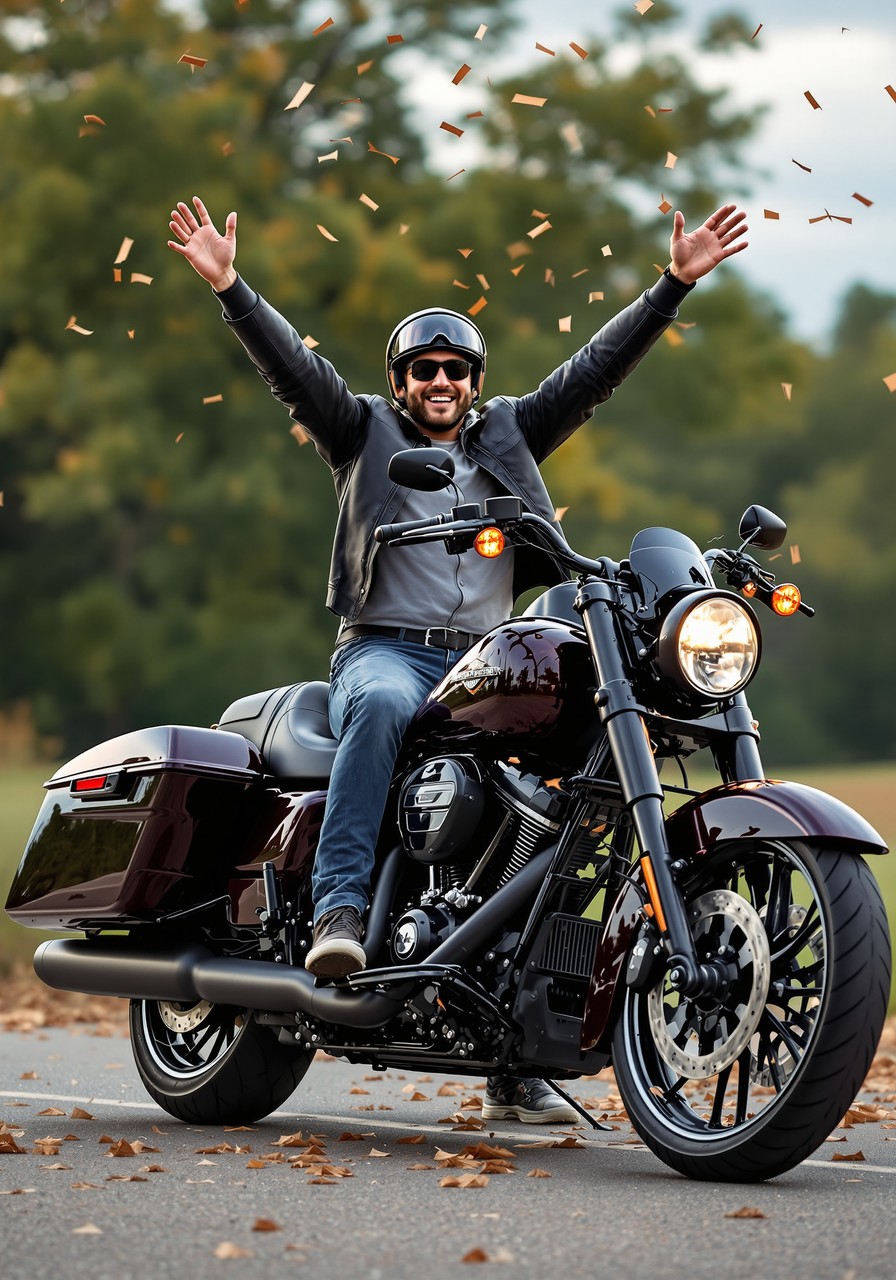
Every share gets this in front of another rider. Keep it going. #RideNationNC #BikersWin #TheTriangle
Local NC & Rides
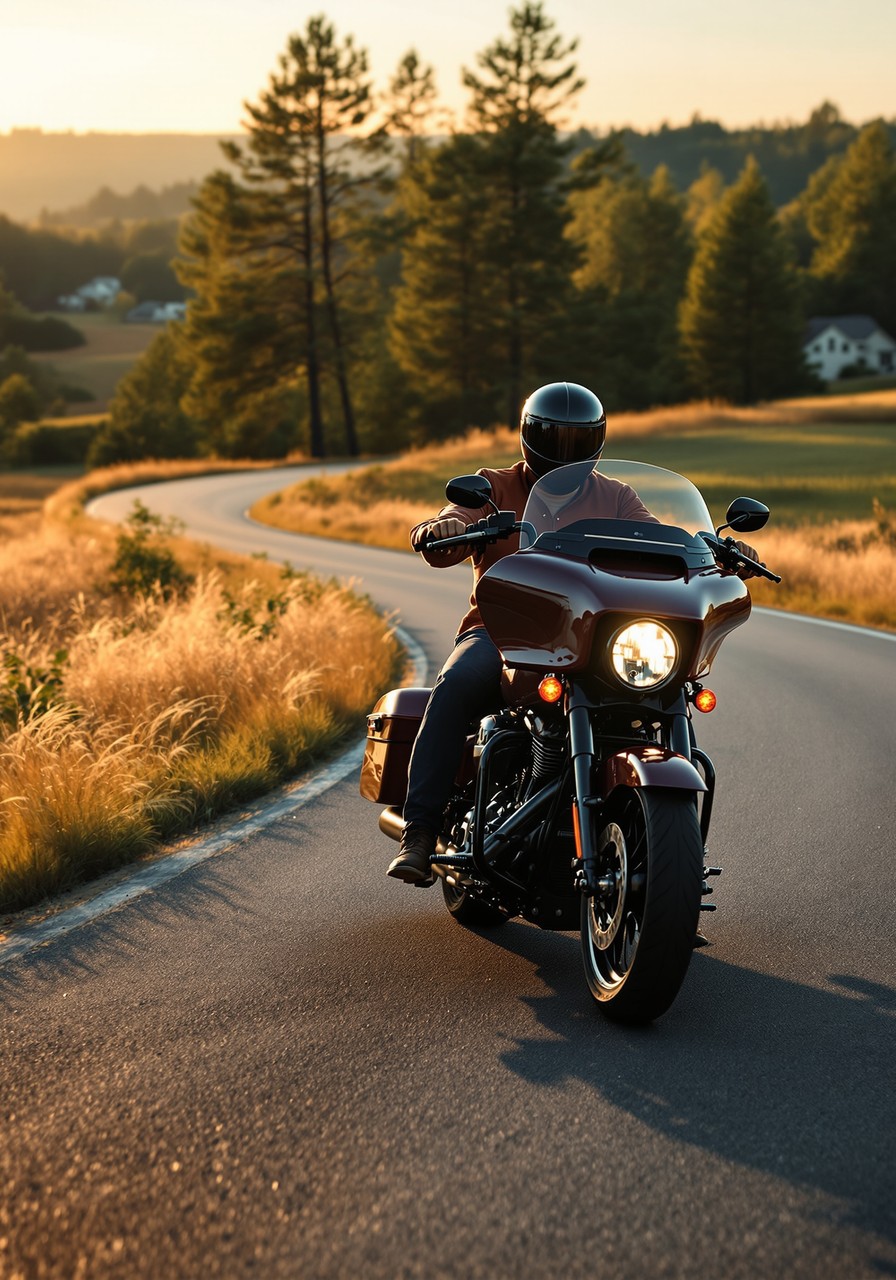
Frost on the grass at the gas stop is your sign the shaded corners are colder than the sun feels. Give your tires a few easy miles to come up to temp. #RideNationNC #CarolinaRiders #NorthCarolinaRiders
Gear & New Iron
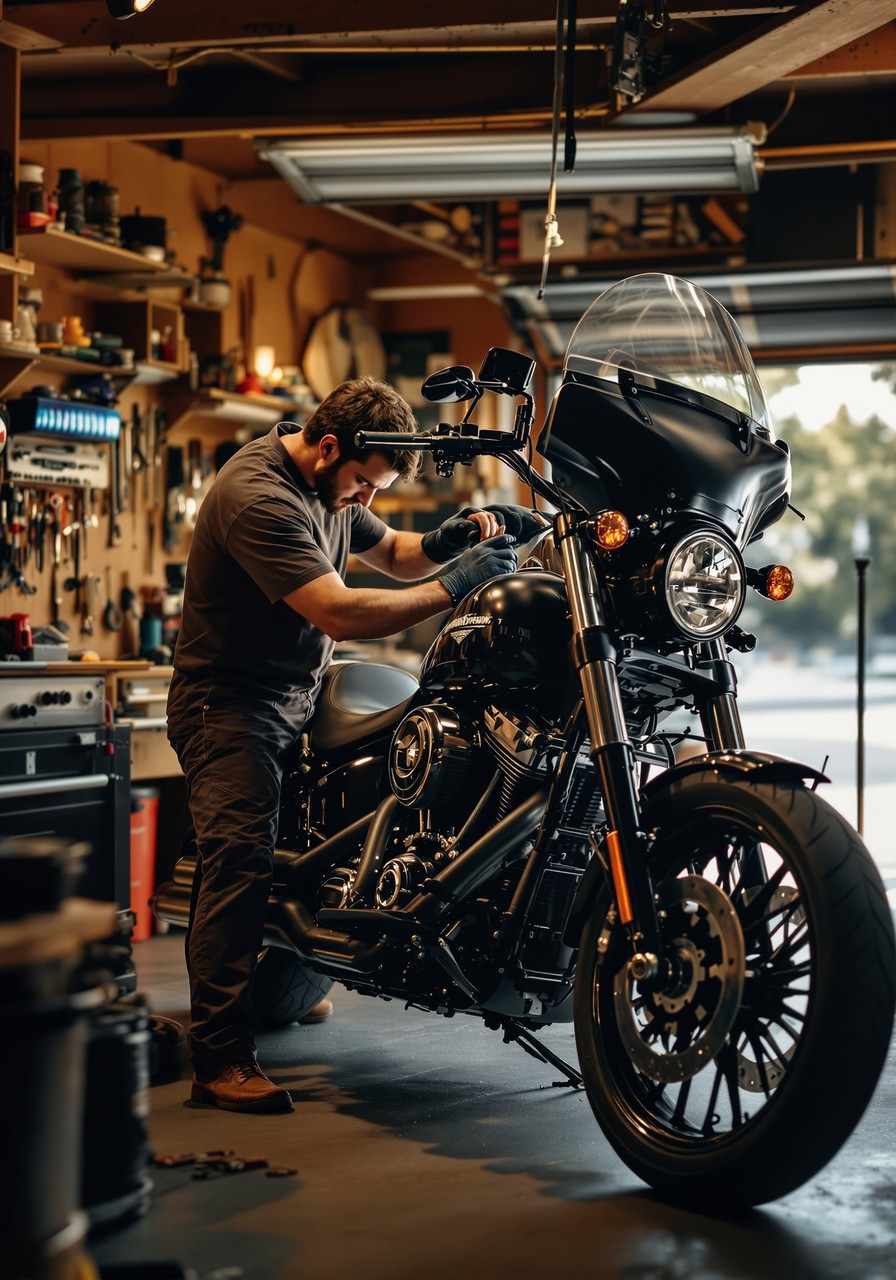
New iron season is here and the middleweight naked bikes keep getting better. More tech, less weight, real value. Test ride before you fall for the spec sheet. #RideNationNC #NewIron #BikerLife
Safety & NC Law
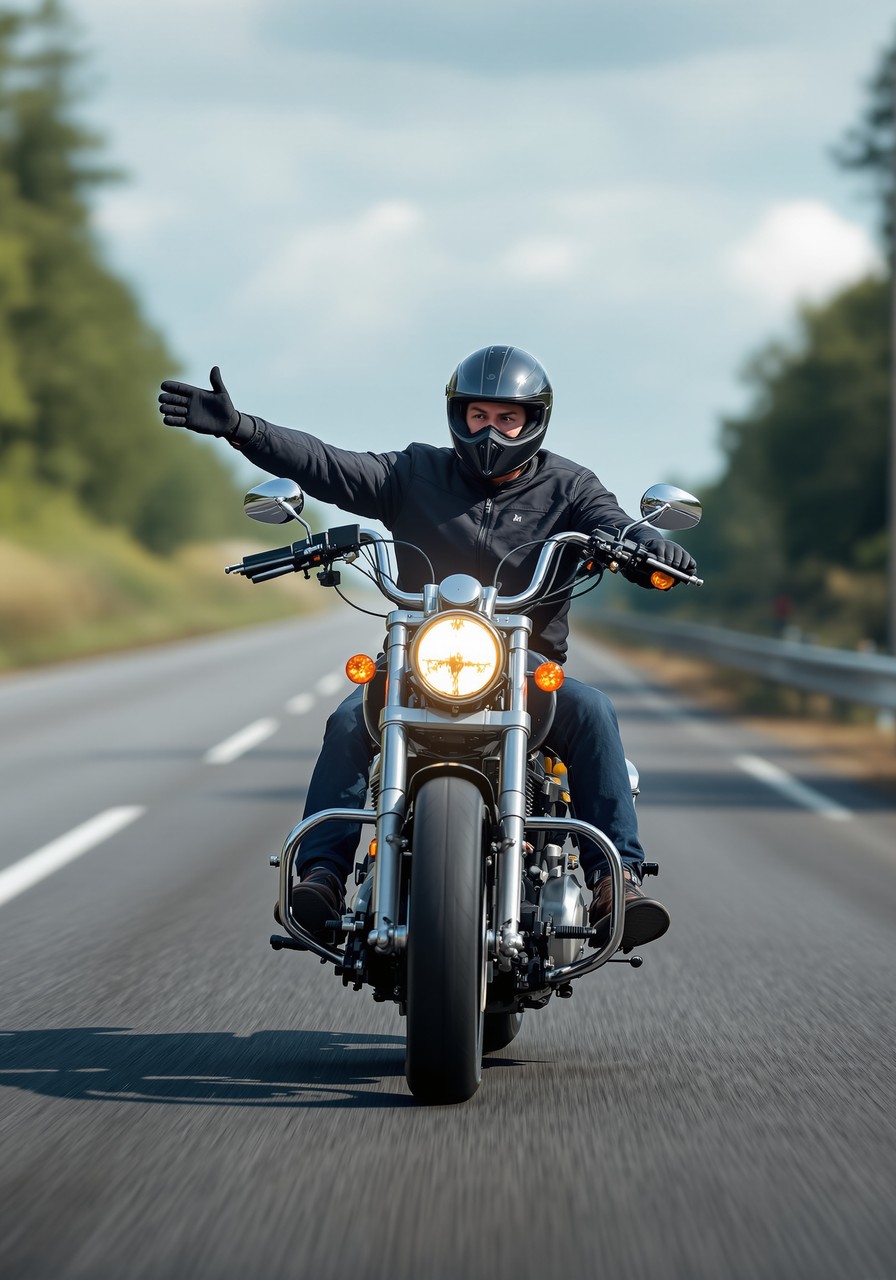
A DOT helmet is the law for every rider and passenger in North Carolina. It is also the one piece of gear most likely to bring you home. #RideNationNC #ATGATT #MotorcycleSafety
Engagement
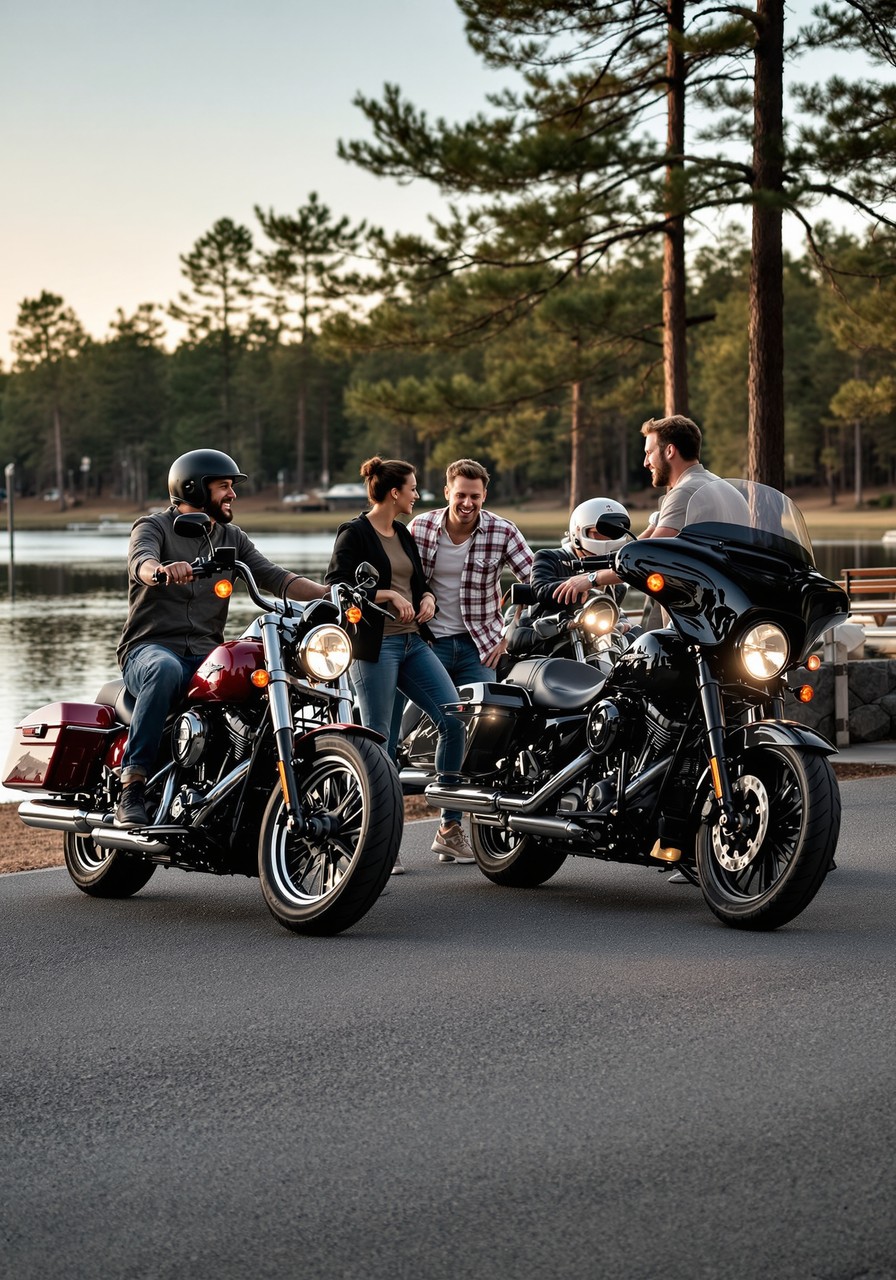
This or that: winter is for wrenching in the garage or for planning routes on the map. Which are you? #RideNationNC #CarolinaRiders #TwoWheels
Giveaway & Countdown
Milestone unlocked, riders. This community is bringing the energy. #RideNationNC #20kGiveaway #RaleighRiders
Local NC & Rides
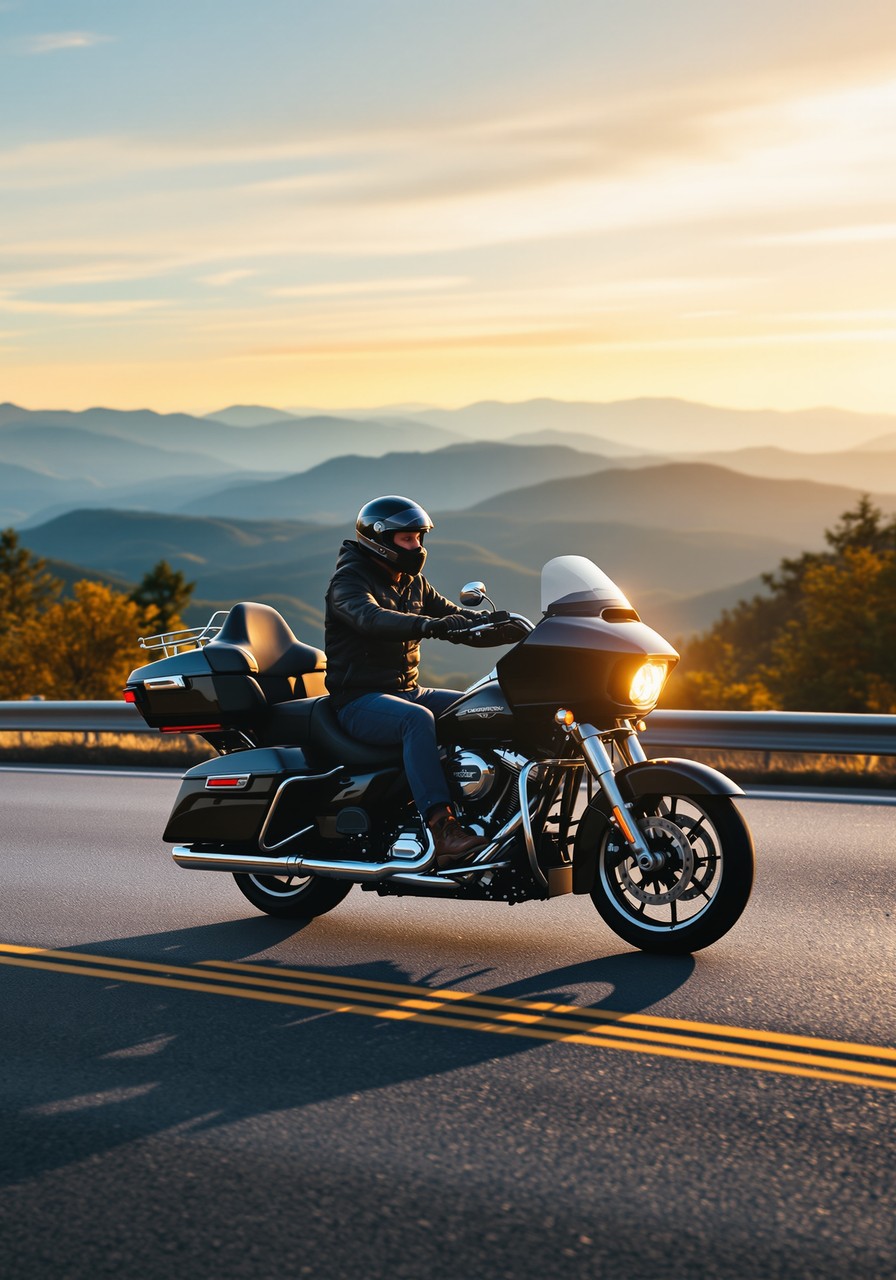
When the weather finally breaks, the whole Triangle wants the same roads. Get out early for Jordan Lake and the Chatham backroads before the crowd does. #RideNationNC #JordanLake #TheTriangle
Gear & New Iron
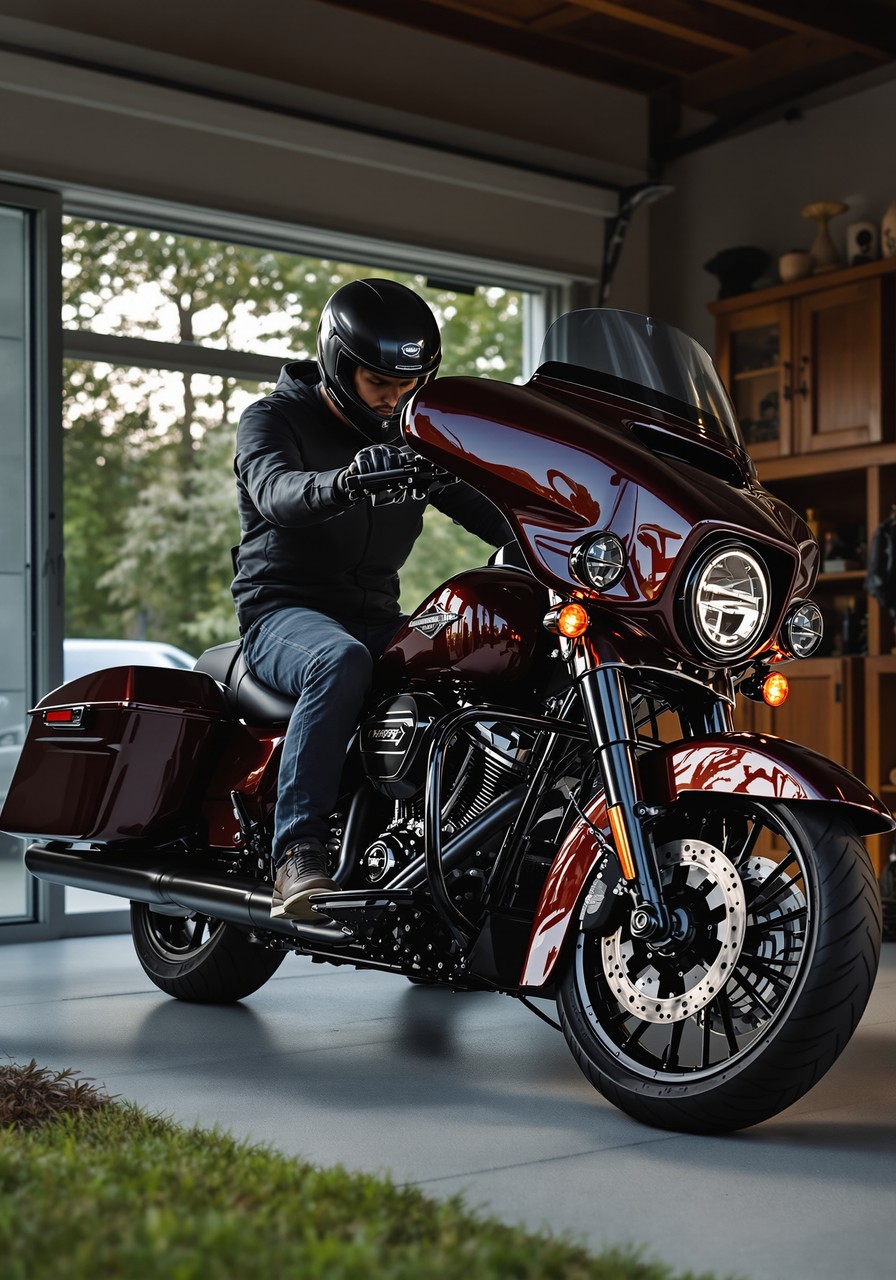
Shopping a new model? Sit on it, reach the bars, flat-foot it at a stop. Ergonomics you can live with beat horsepower you rarely use on Carolina backroads. #RideNationNC #NewIron #RiderTips
Safety & NC Law
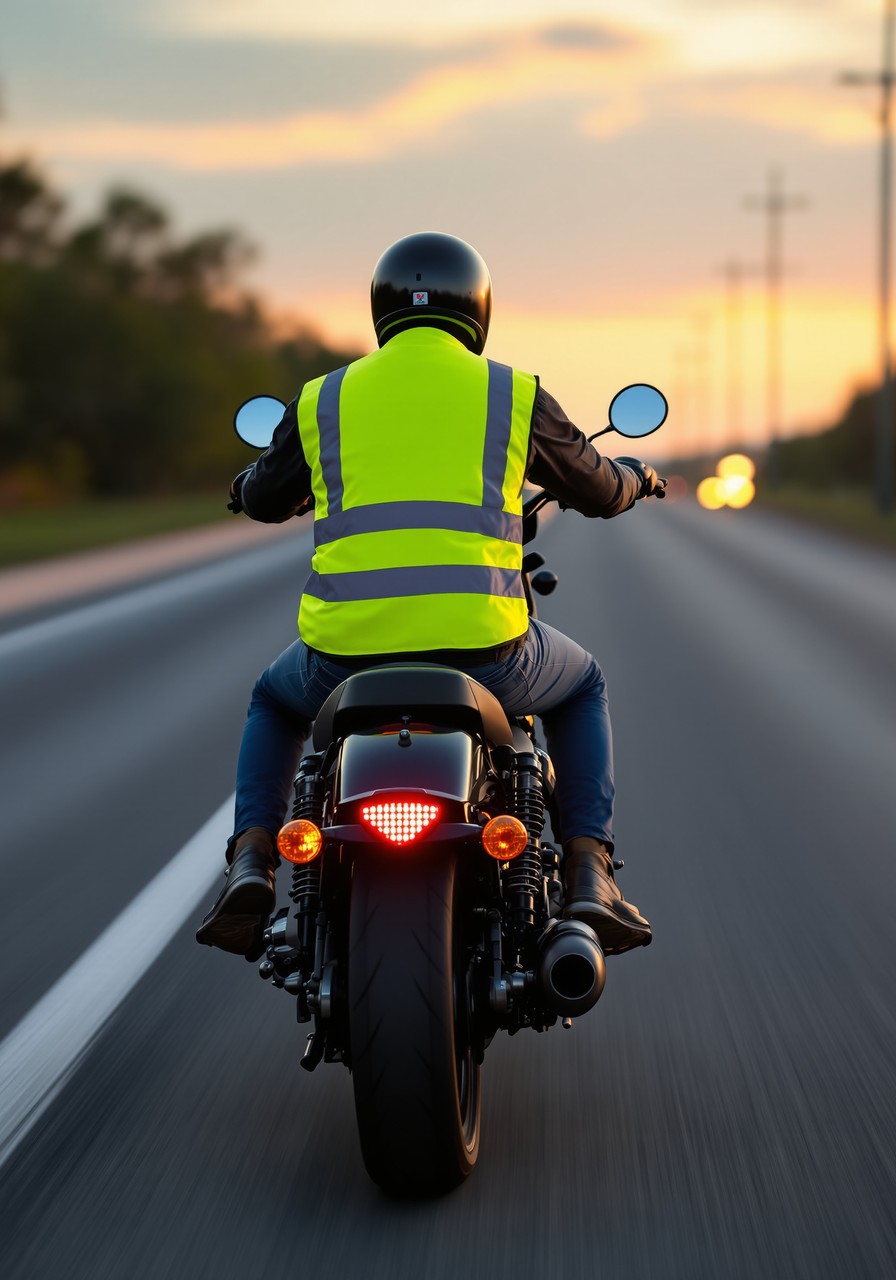
In 2025 North Carolina bumped minimum liability to 30/60/25. Good to know, but still easy to blow past with one serious injury, so check your own UM/UIM. #RideNationNC #KnowYourRights #NorthCarolinaRiders
Engagement
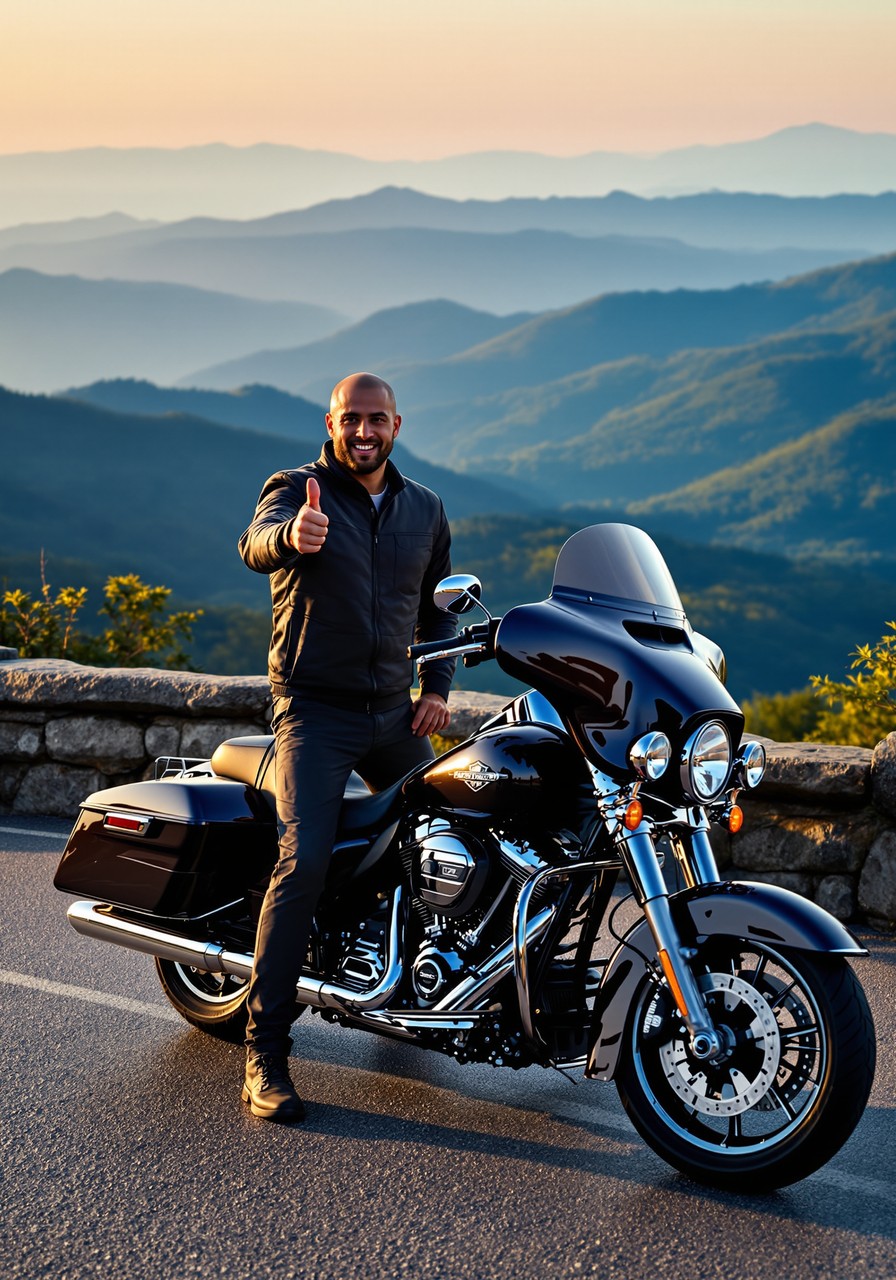
Finish the sentence: my perfect Carolina riding day starts with ______. #RideNationNC #TheTriangle #RaleighRiders
Giveaway & Countdown
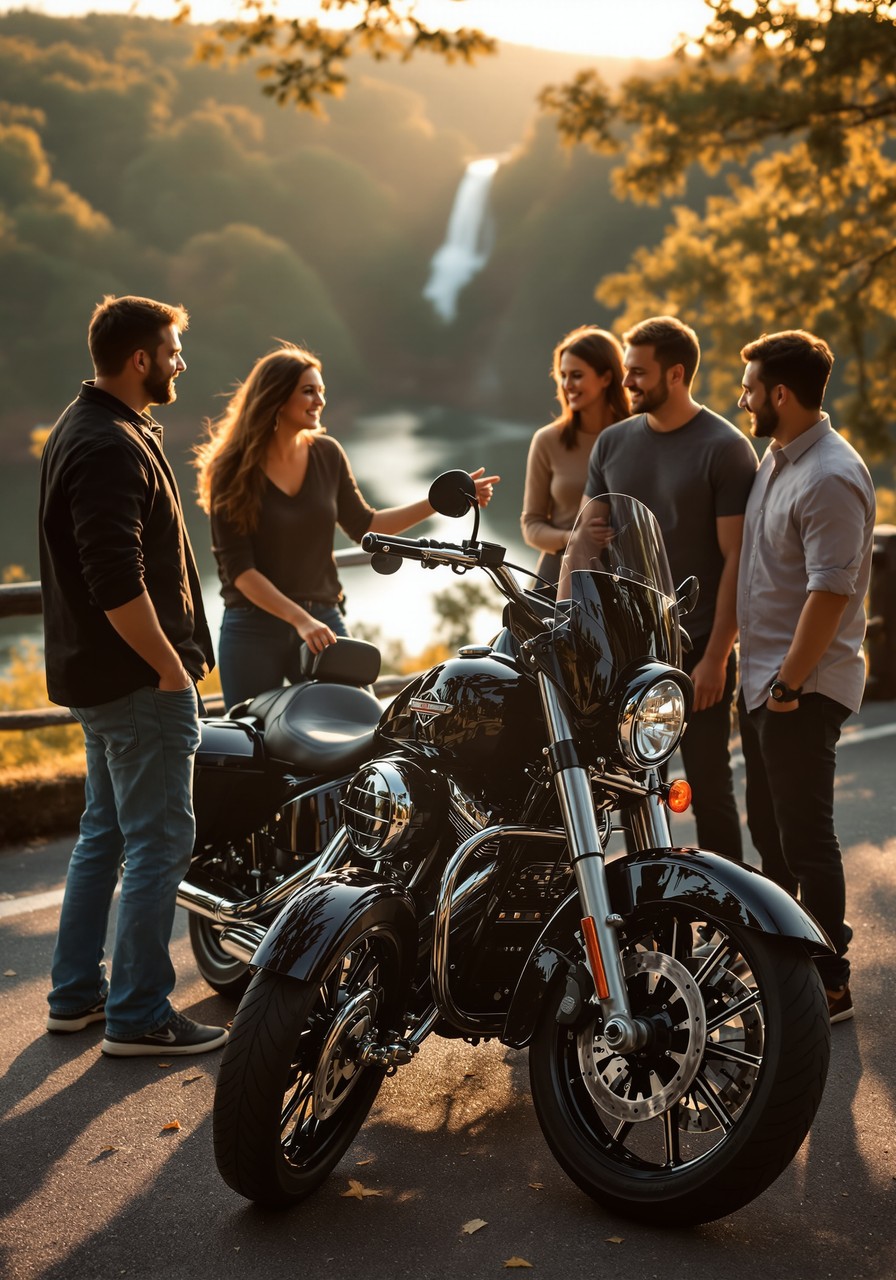
Twenty thousand reasons to smile under that helmet. #RideNationNC #BikersWin #MotorcycleGiveaway
Local NC & Rides
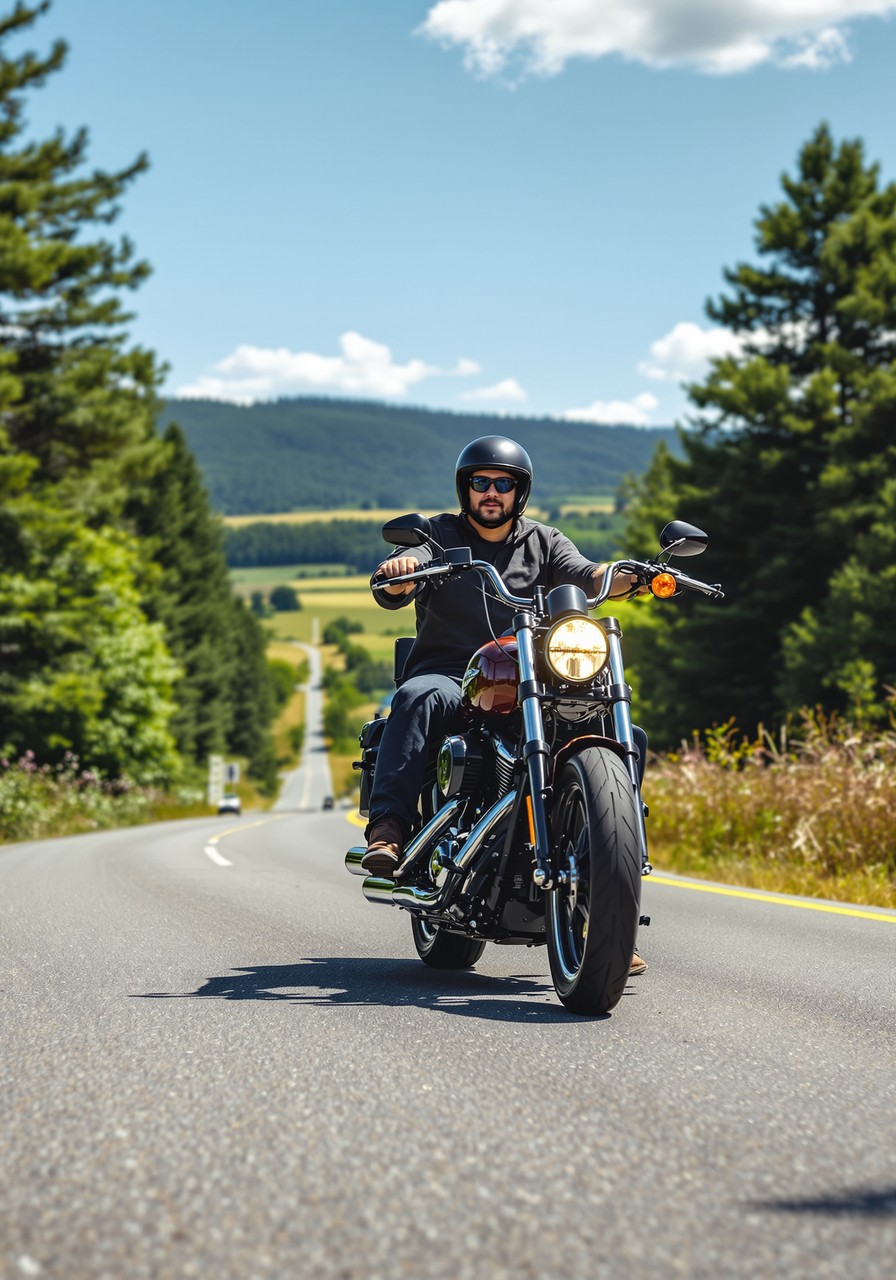
Start the spring bucket list now: the Parkway, US-421 to Boone, and a full day in the Uwharrie. Cold months are for planning the warm ones. #RideNationNC #BlueRidgeParkway #Uwharrie
Gear & New Iron
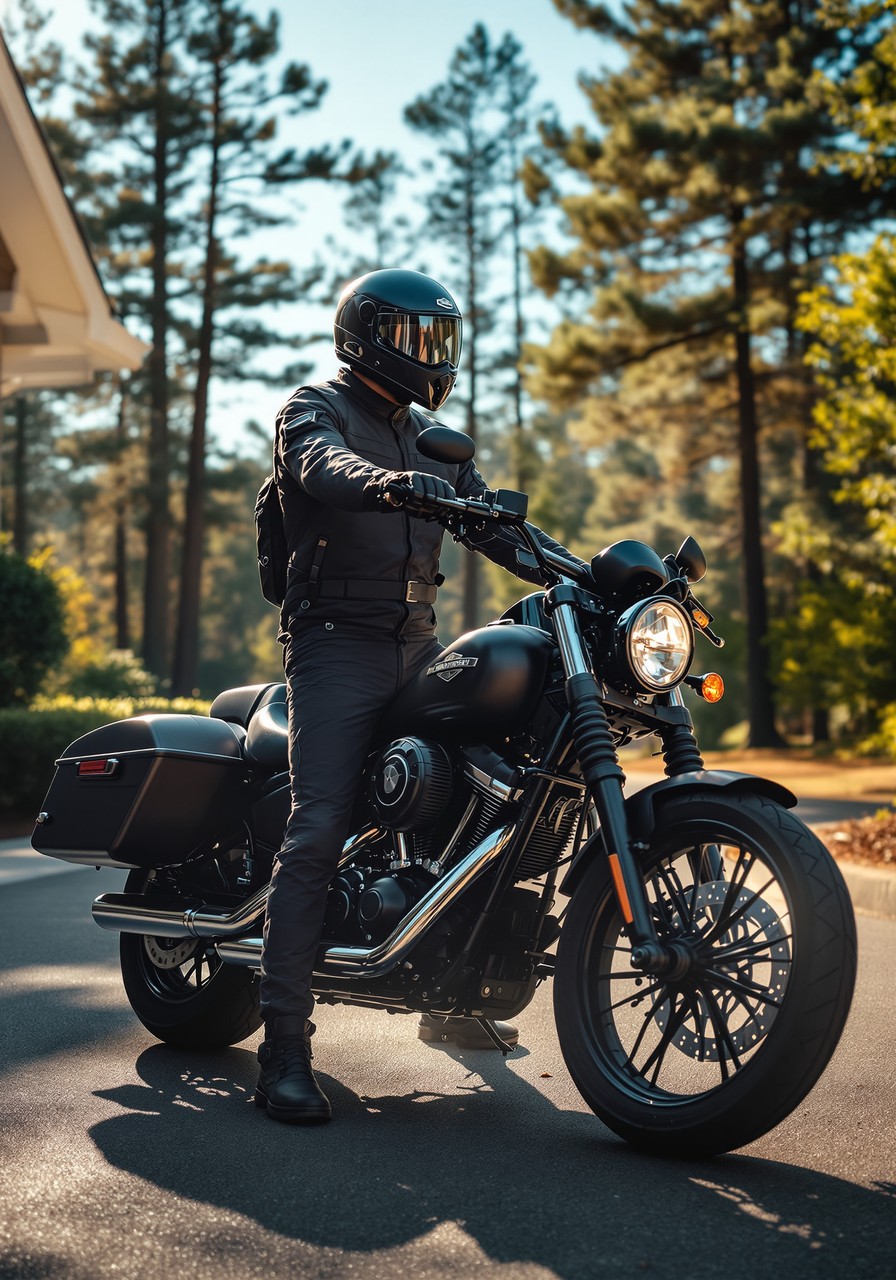
Adventure bikes are having a moment, and the Blue Ridge is right up the road. If you are eyeing new iron, think about where you actually ride before you buy the biggest one. #RideNationNC #NewIron #RaleighRiders
Safety & NC Law
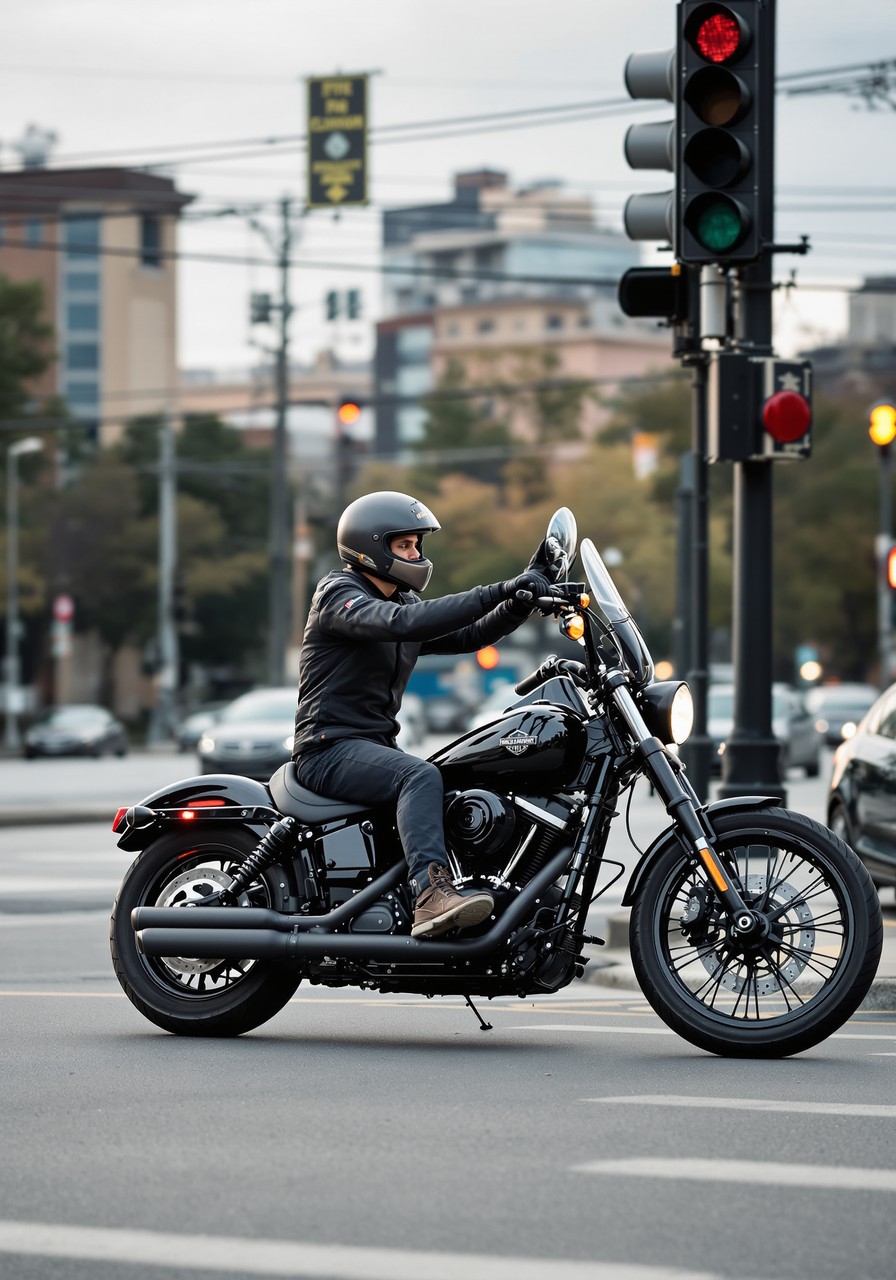
A camera on your helmet or bike is cheap insurance. When a driver's story changes, your footage does not. #RideNationNC #MotorcycleSafety #RiderRights
Engagement
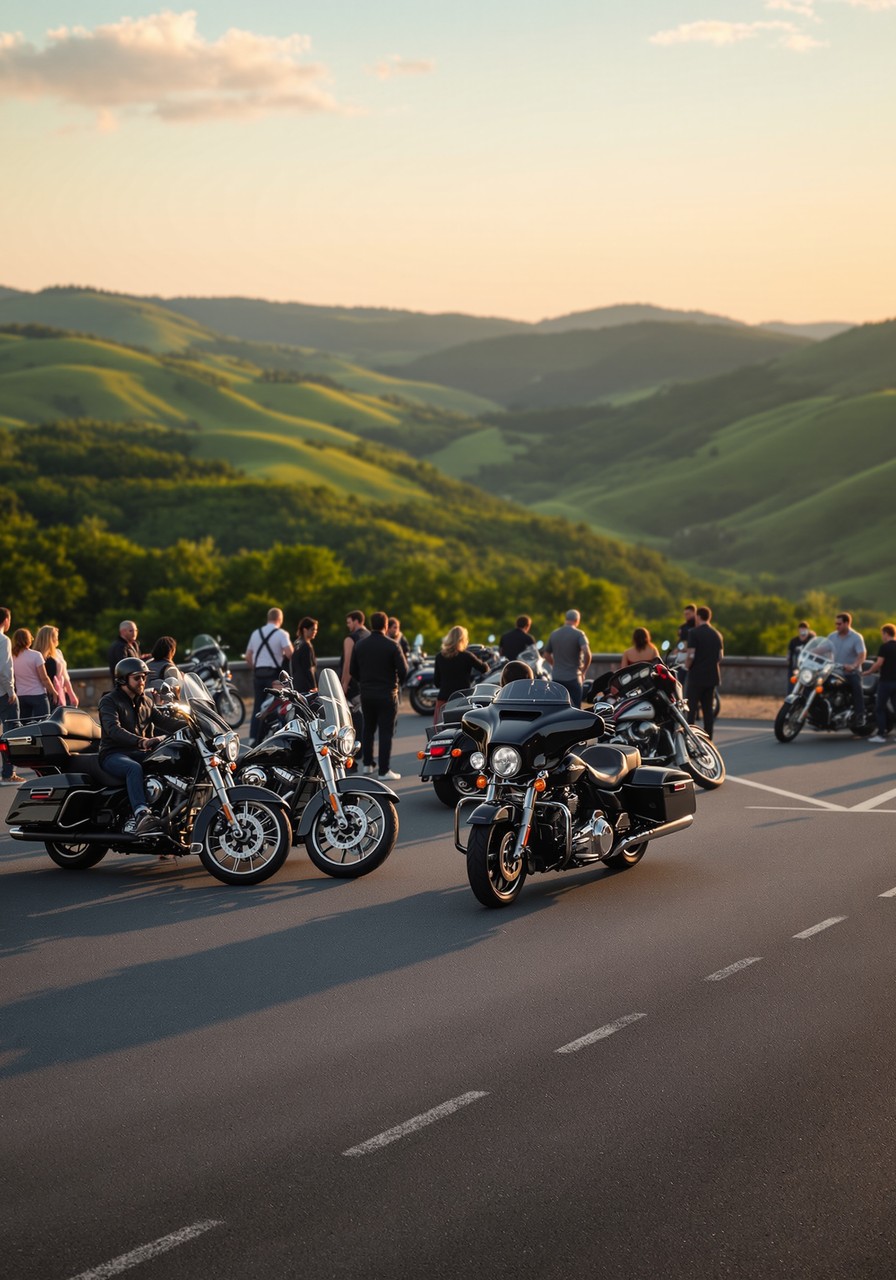
Favorite view you have ever pulled over for in North Carolina? Post the photo if you have it. #RideNationNC #BlueRidgeParkway #NorthCarolinaRiders
Giveaway & Countdown
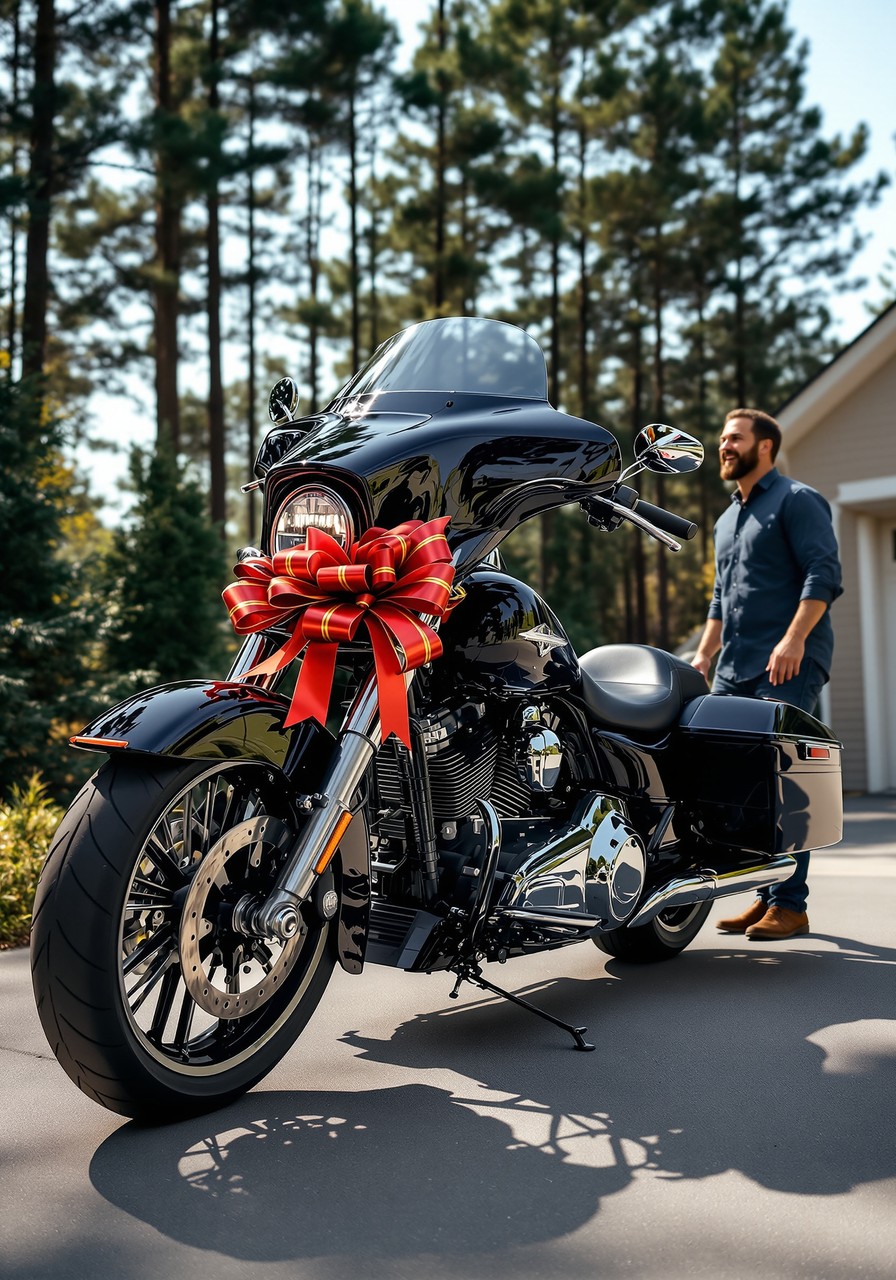
The buzz is real across North Carolina. Do not miss the countdown. #RideNationNC #20kGiveaway #NorthCarolinaRiders
Local NC & Rides
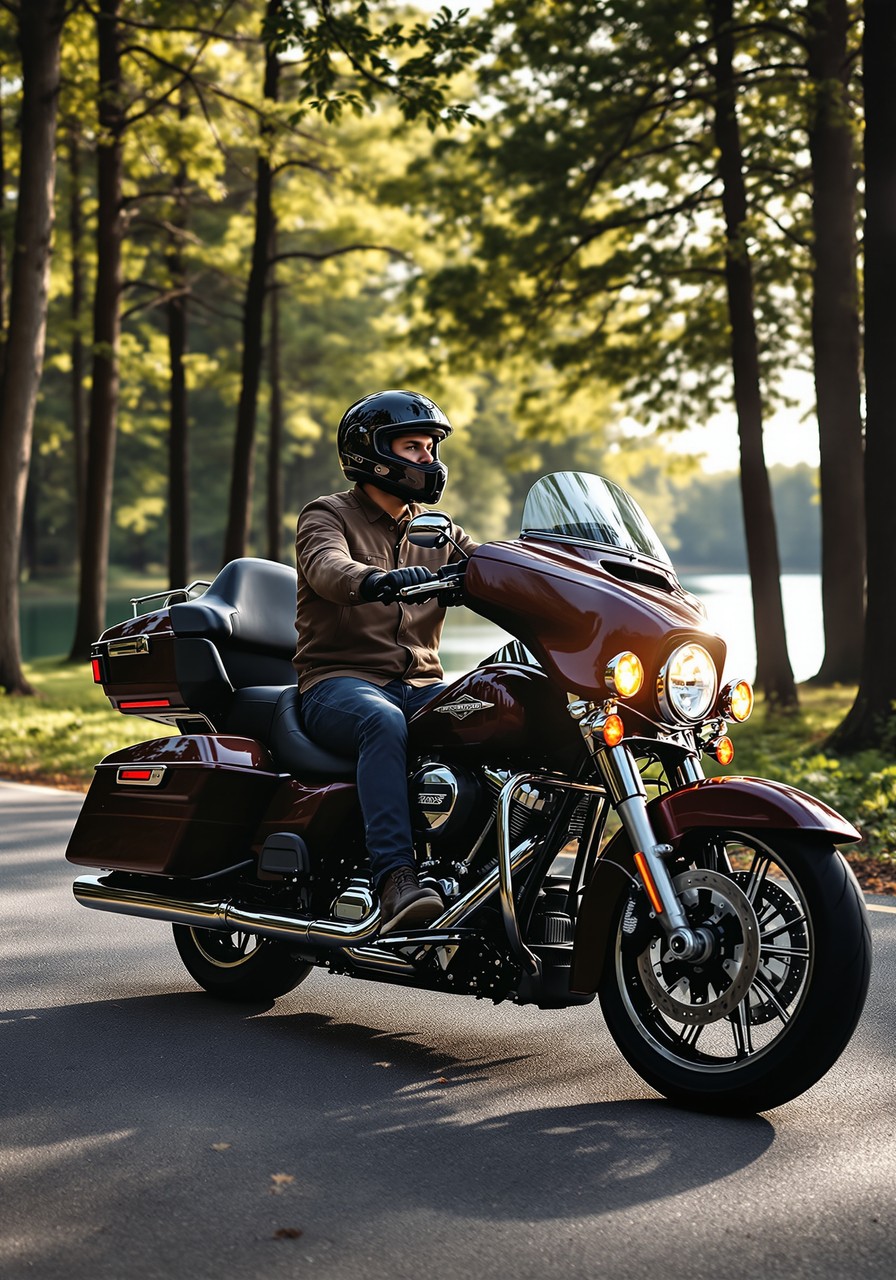
Salt and grit stick around on the Beltline ramps and shaded bridges long after the ice melts. Wash the bike and watch those corners for a while yet. #RideNationNC #RaleighRiders #NorthCarolinaRiders
Gear & New Iron
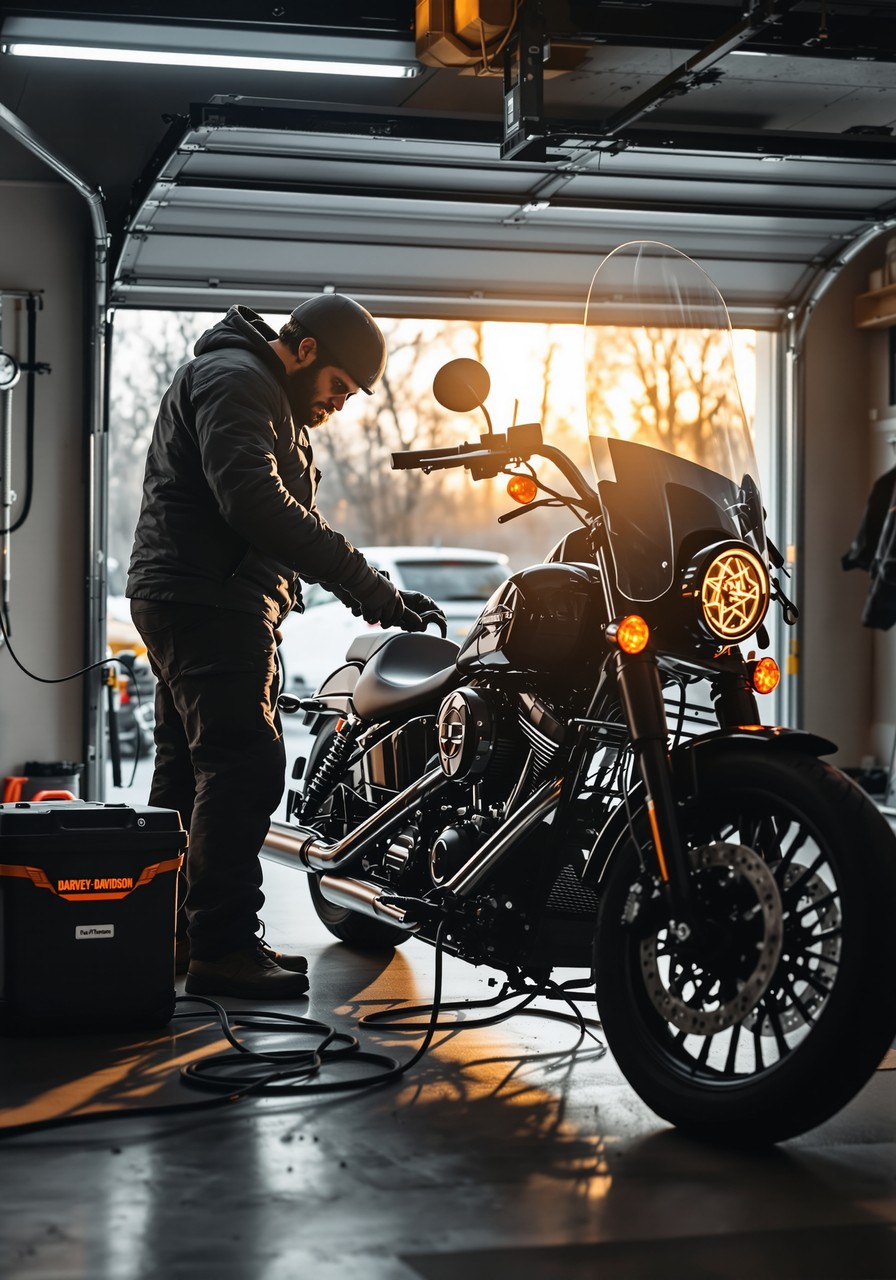
Buying used iron this fall? Check the tire dates, look for chain wear, and ask when the brake fluid was last flushed. The maintenance history tells you more than the odometer. #RideNationNC #NewIron #MotorcycleMaintenance
Safety & NC Law
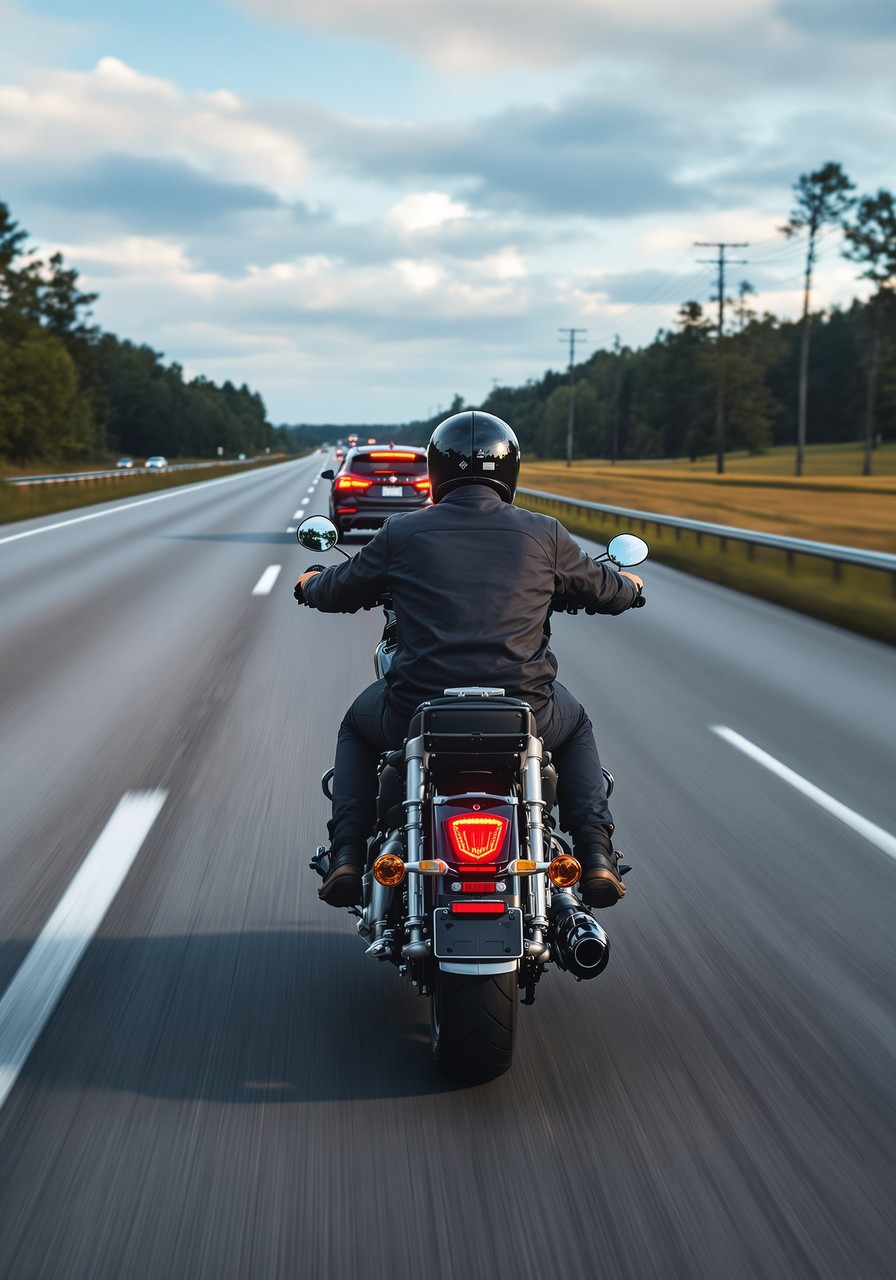
Because one percent of fault can end your claim in North Carolina, the scene you document matters as much as the ride you take. Free case review at lawyernc.com. #RideNationNC #RiderRights #KnowYourRights
Engagement
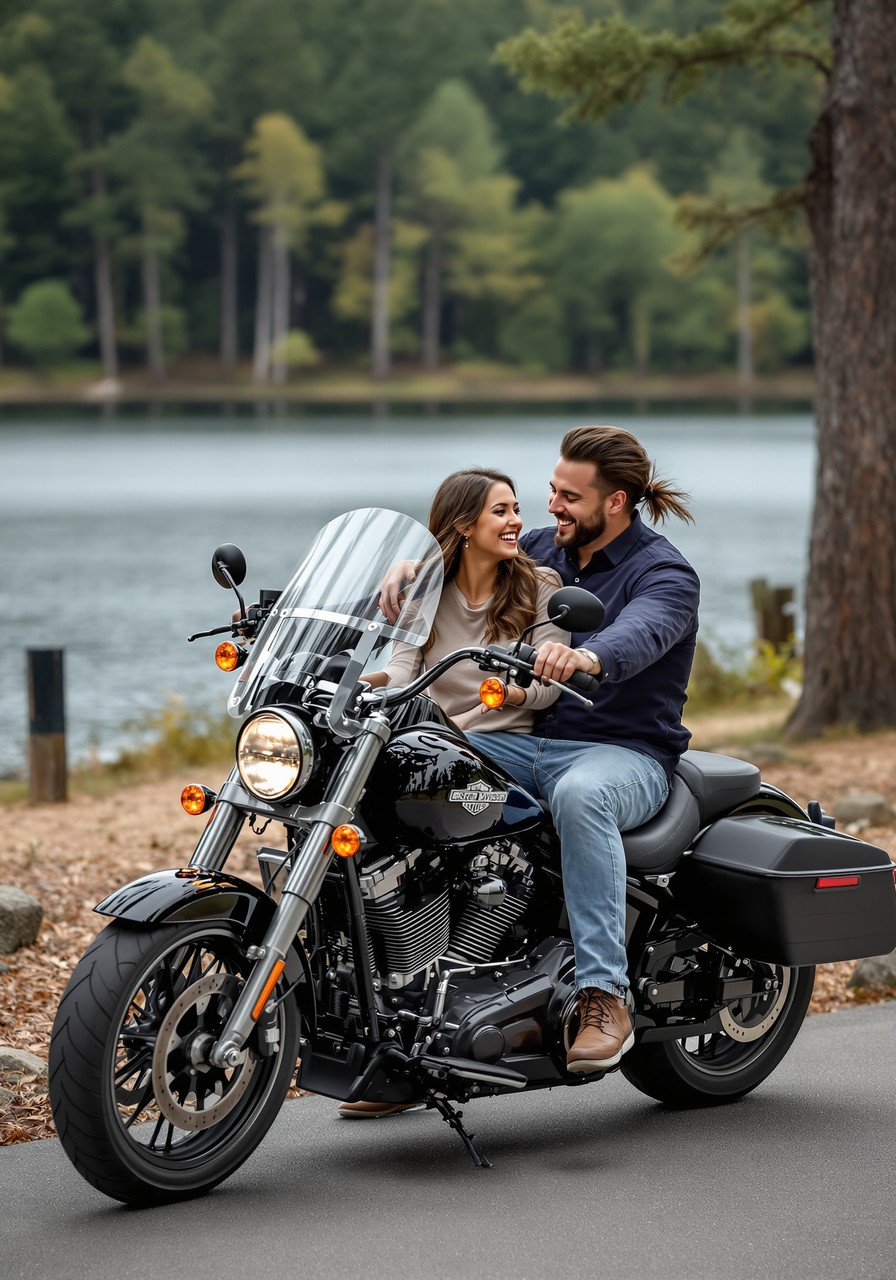
Last one of the season: how many miles did you put on this year, and where is the one place you still want to ride? #RideNationNC #CarolinaRiders #RideOrDie
Giveaway & Countdown
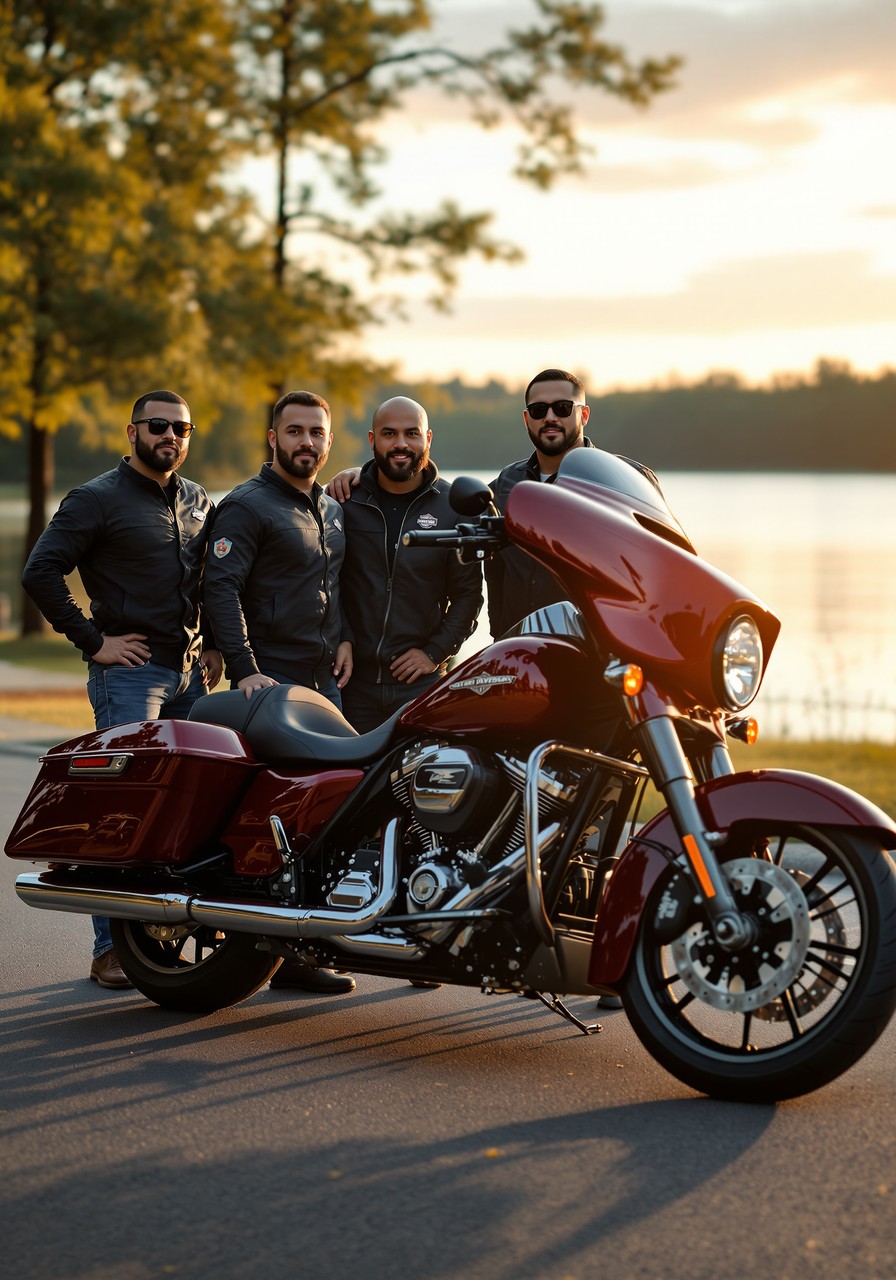
One winner. Twenty grand. Endless bragging rights. #RideNationNC #BikersWin #TheTriangle
Local NC & Rides
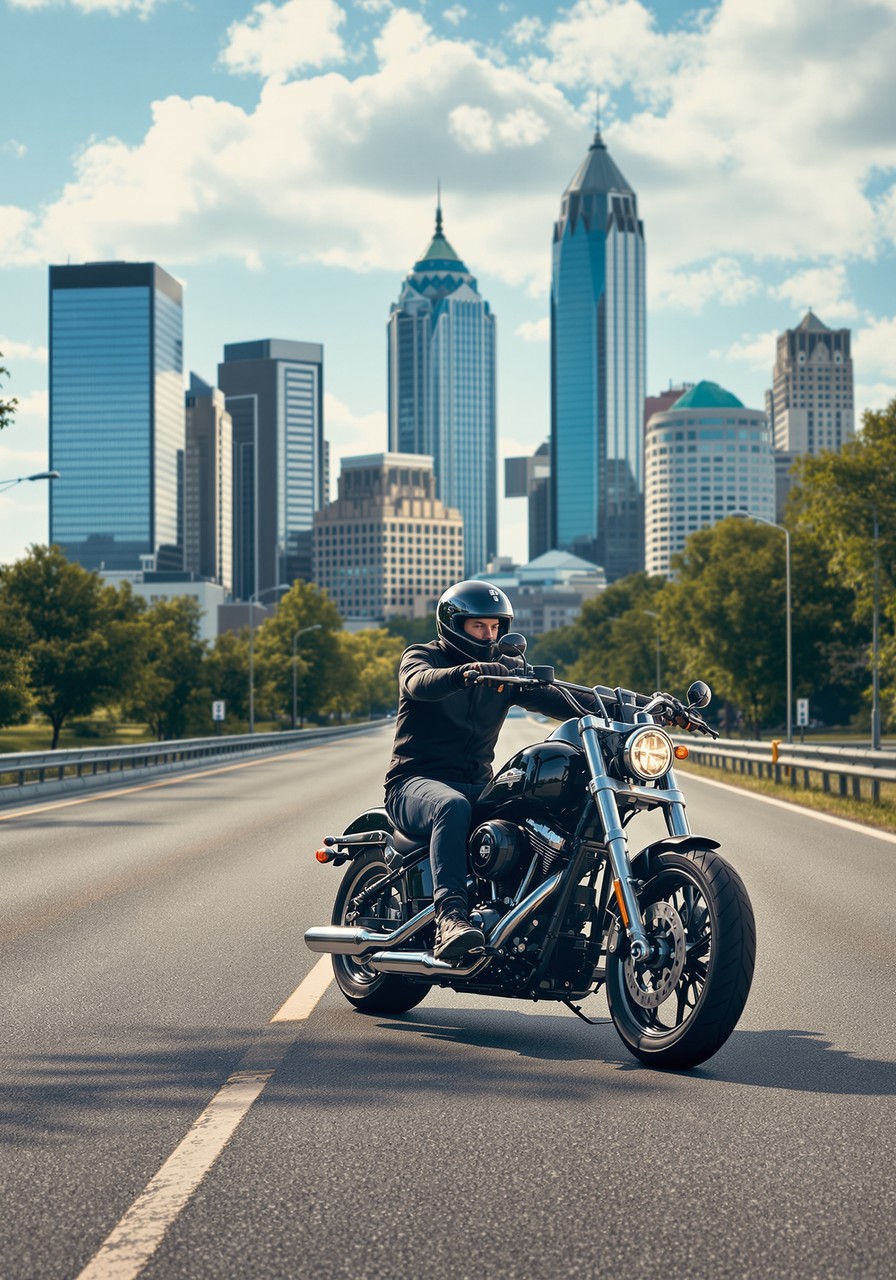
Nothing beats the first real group ride of spring rolling out of Raleigh together. Keep your spacing, watch out for the rider next to you, and enjoy the miles. #RideNationNC #RaleighRiders #CarolinaRiders
Gear & New Iron
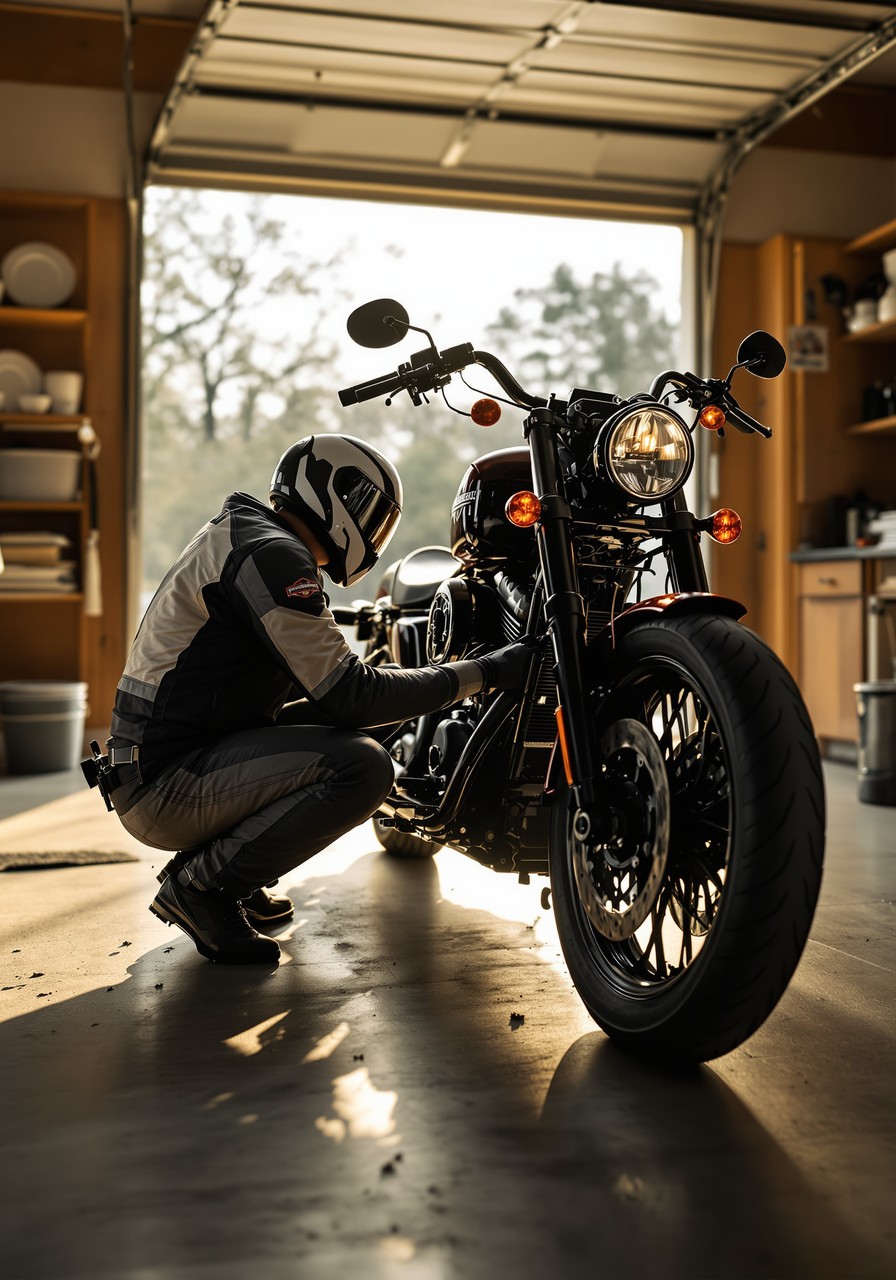
New bike, new gear budget. Do not blow it all on the machine and skimp on a helmet and jacket. The gear is what rides home with you when it goes wrong. #RideNationNC #NewIron #ATGATT
Safety & NC Law
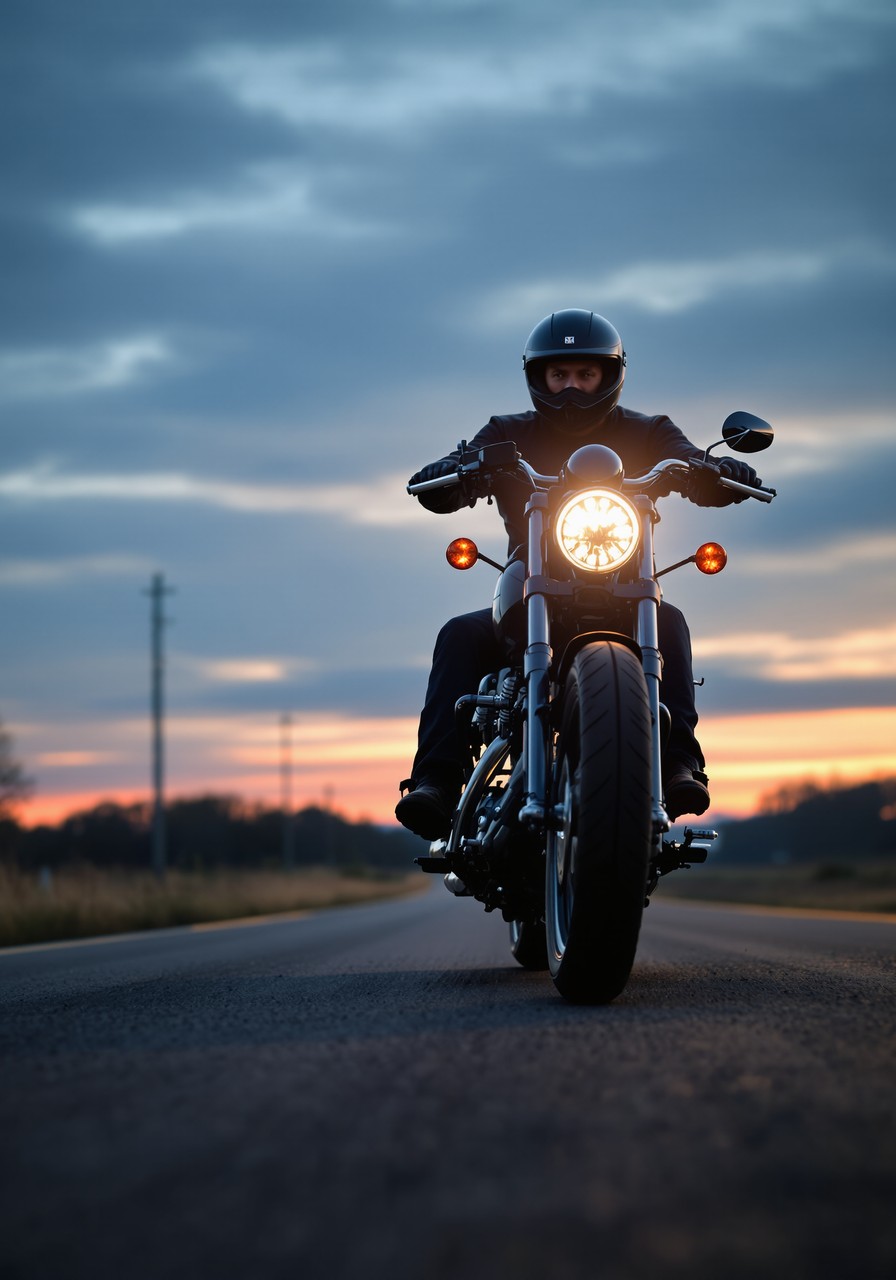
Winter riding in the Triangle means watching for shaded patches, bridge decks, and morning frost that never fully burned off. Slow, smooth, and see it early. #RideNationNC #MotorcycleSafety #TheTriangle